

Quick Overview
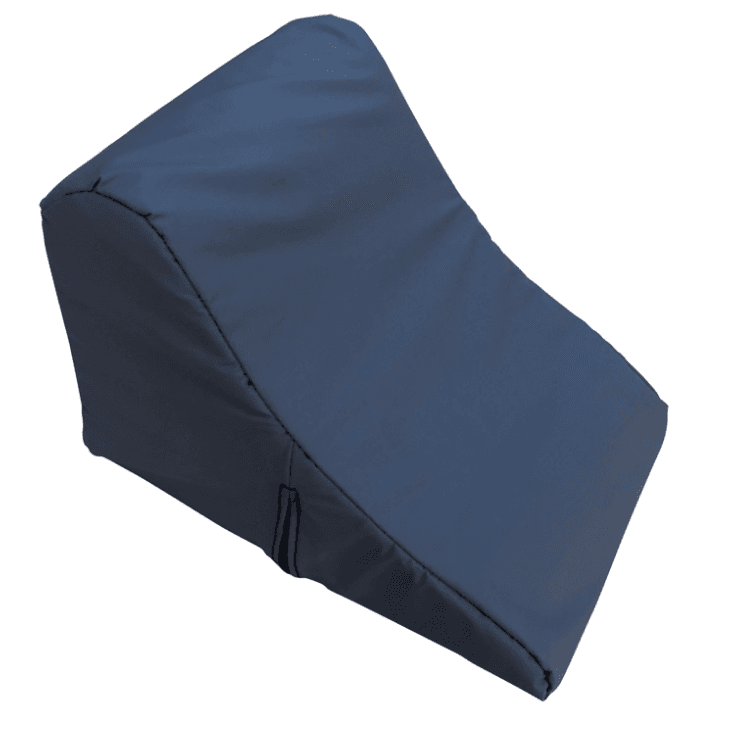
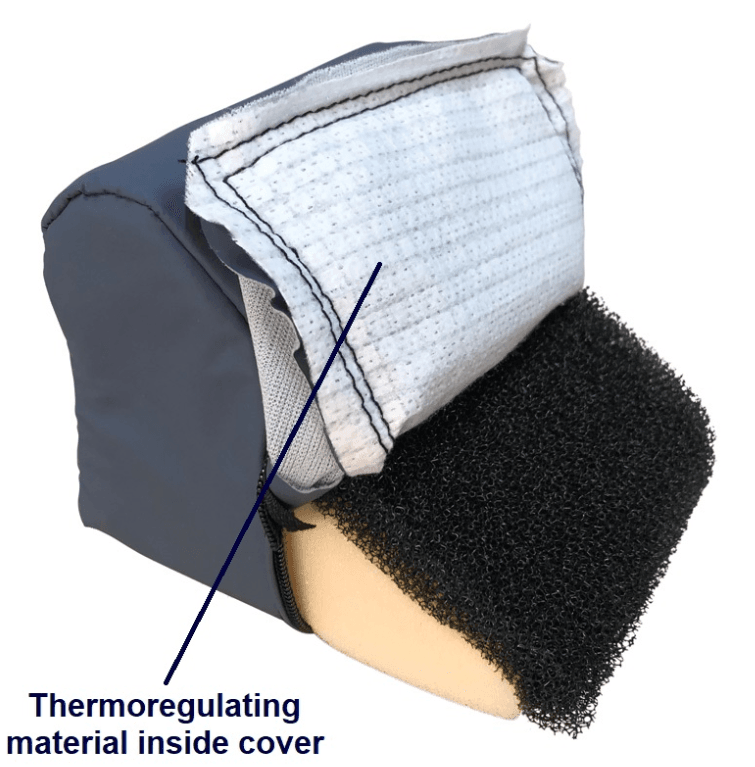
A body wedge is a contoured support device used in pressure injury management to offload pressure from vulnerable areas, such as the sacrum, heels, or trochanters, by redistributing weight and maintaining proper body alignment. Typically made from foam or gel, it helps position the patient at a 30-degree lateral tilt, reducing direct pressure on bony prominences while promoting circulation and preventing further tissue damage. By maintaining stability and reducing shear and friction forces, body wedges play a crucial role in pressure injury prevention and healing, particularly for immobile or bedbound patients.
Application Orientation
Alternatives
There are no alternative products currently associated with this product. You can submit a recommended alternative dressing to be included in future updates by clicking on the button below.
Product Information
Uses
- Offloading an area of concerning or that already has a pressure injury
- Aiding a patient to maintain a set position for the clinical management
Positives
- Effective Pressure Offloading – Reduces direct pressure on bony prominences, aiding in pressure injury prevention and healing.
- Improved Circulation – Enhances blood flow to at-risk areas, supporting tissue oxygenation and repair.
- Maintains Proper Alignment – Helps keep the patient in a stable 30-degree lateral tilt, reducing discomfort and the risk of musculoskeletal strain.
- Minimises Shear and Friction – Reduces forces that contribute to skin breakdown, lowering the risk of further injury.
- Enhances Patient Comfort – Provides cushioning and support, improving overall comfort for immobile or bedbound patients.
- Reduces Caregiver Strain – Makes repositioning easier and more consistent, improving efficiency in patient care.
- Reusable and Durable – Typically made from high-quality foam or gel, ensuring longevity and cost-effectiveness in clinical settings.
Limitations
- Limited Mobility Assistance – Does not actively reposition the patient, requiring caregiver intervention for adjustments.
- Size and Storage Issues – Can be bulky, making storage and handling inconvenient in some care settings.
- Not Suitable for All Patients – Certain conditions, such as severe contractures or extreme body habitus, may limit effectiveness.
- May Not Address All Pressure Areas – Primarily effective for sacral and trochanteric offloading but may not adequately offload pressure from heels or other sites without additional support.
Precautions
Body wedges are patient specific and are not interchangeable between patient’s.
Image Gallery