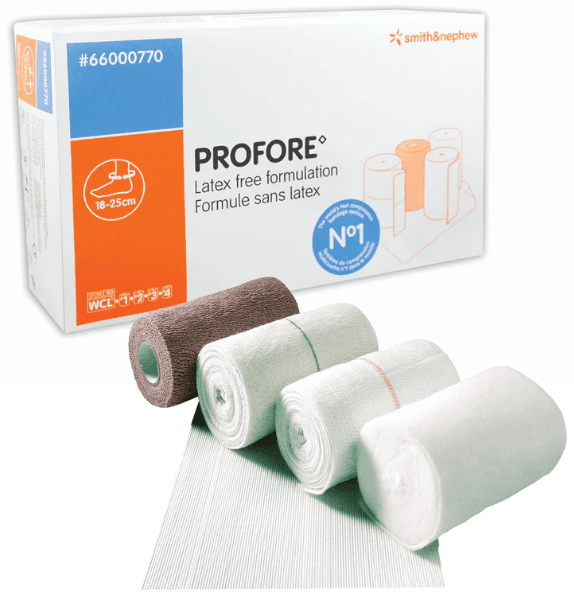


Quick Overview
Four-Layer Compression Bandaging: When applied correctly, four-layer bandages provide a therapeutic compression level of approximately 40 mmHg, promoting effective venous return and edema management.
Maximum Wear Time
3 days / 7 days
Exudate Management
Scant
Alternatives
Product Information

Primary Complementary Dressings
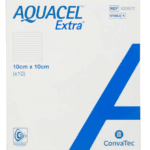
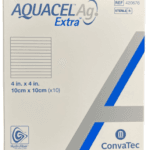


Secondary Complementary Dressings

Uses
- High Efficacy for Venous Conditions: Demonstrates significant effectiveness in managing formally diagnosed venous insufficiency disease.
- Venous Leg Ulcer Management: Supports healing and reduces recurrence of venous leg ulcers.
- Reduction of Lower Limb Edema: Effectively alleviates swelling in the lower limbs.
Positives
- Fluid Redistribution: Facilitates the movement of excess fluid from the lower limbs, reducing swelling and associated discomfort.
- Venous Insufficiency Support: Provides essential support to improve venous return, mitigating symptoms of venous insufficiency.
Limitations
- Potential Circulatory Compromise: Improper application or excessive compression may impair circulation.
- Bulky Design: The substantial thickness of the bandaging can be cumbersome for patients.
- Footwear Challenges: The bulkiness often makes it difficult for patients to wear suitable footwear, potentially leading to poor adherence to therapy.
- Increased Fall Risk: The absence of appropriate footwear can compromise stability and increase the risk of falls.
Precautions
- Ankle Brachial Index (ABI) Measurement: Compression therapy should only be applied if the ABI is greater than 0.8, ensuring safe application. ABI values exceeding 1.1 warrant consultation with a vascular surgeon to assess potential arterial calcification.
- Exclusion Criteria for Compression Therapy: Compression therapy is contraindicated in the following scenarios:
- Patients with cardiac conditions.
- Presence of peripheral neuropathy.
- Abnormally shaped legs (e.g., “champagne bottle” legs).
- Lymphedema, unless reviewed and managed by a lymphedema specialist.
Image Gallery