

Wound Care Plan

Venous Eczema – wet dressings

Last Updated
19 May 2025

Quick Overview

Reference ID Number: TWS-WCP-64

Categories

Scope of Practice (ScOP) Designation

Treatment Goals

Reduce eczema and allow restoration of dermis

Aim of Dressing

Reduce inflammation of the dermis whilst protecting the legs from further infection

Frequency of Dressing Change

Everyday

Consult(s) / Diagnostic Test Required

Dermatology review

Product Selection Disclaimer:

The wound care products being currently used are a suggestion ONLY. They do not take into account your patient's individual needs which you must assess. No funding from medical companies has been provided and wound care products are chosen on their merit and what is available on the NSW Health State Wound Care Contract. Where an exact brand name product is not available we suggest you review the alternative tab or use another wound care product from its category eg. Hydrofibre

Care Plans

Venous Eczema

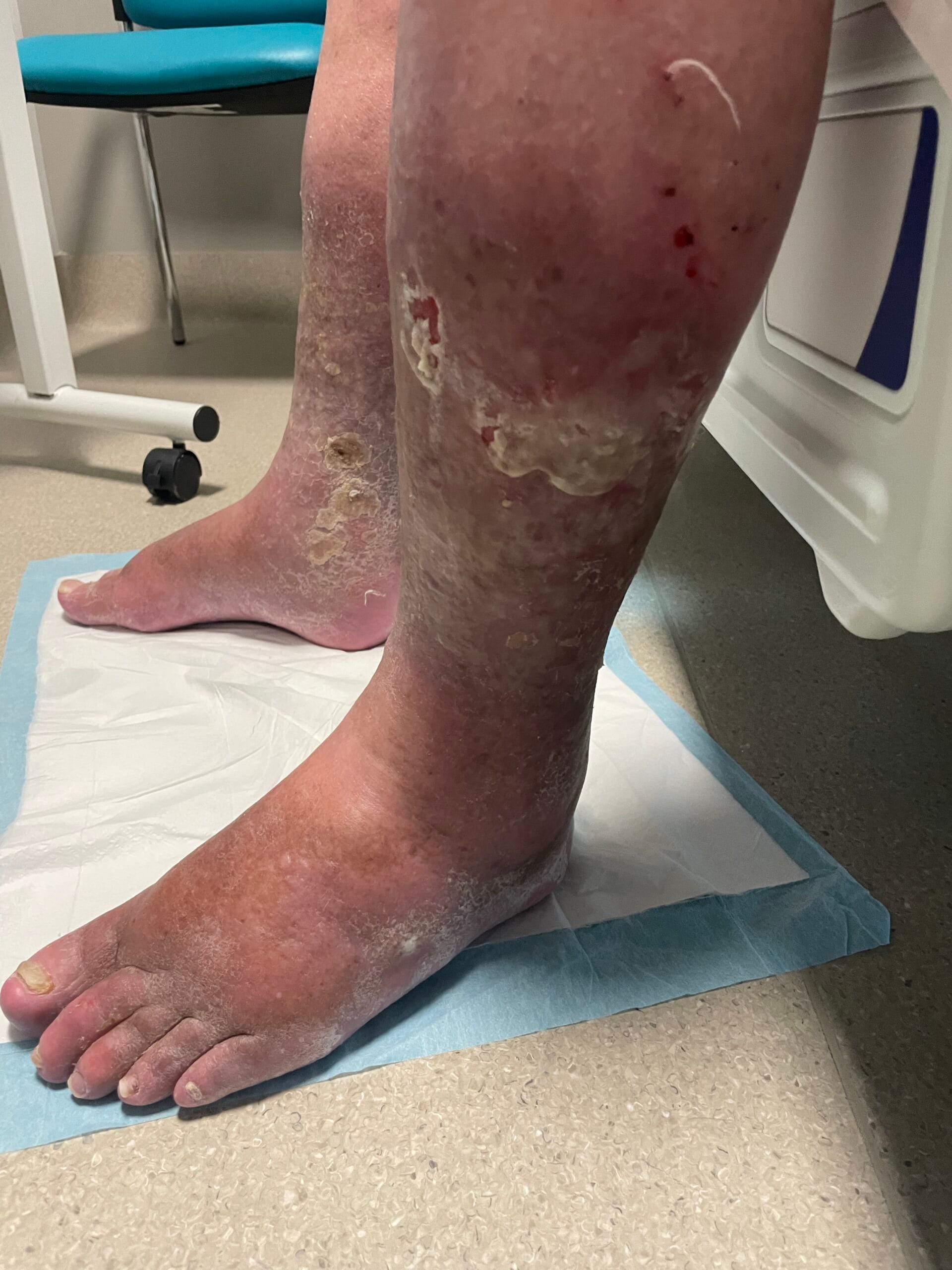
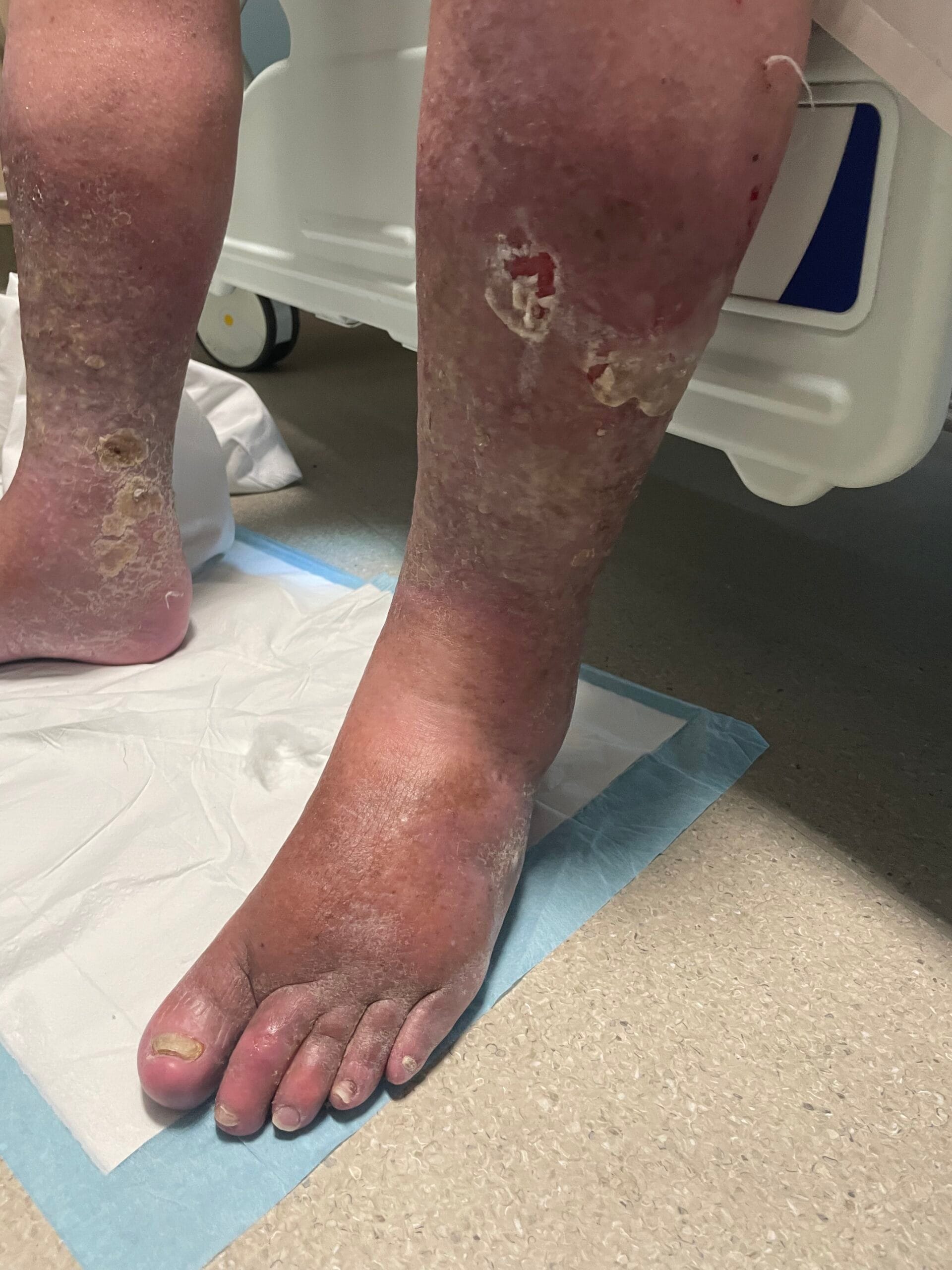
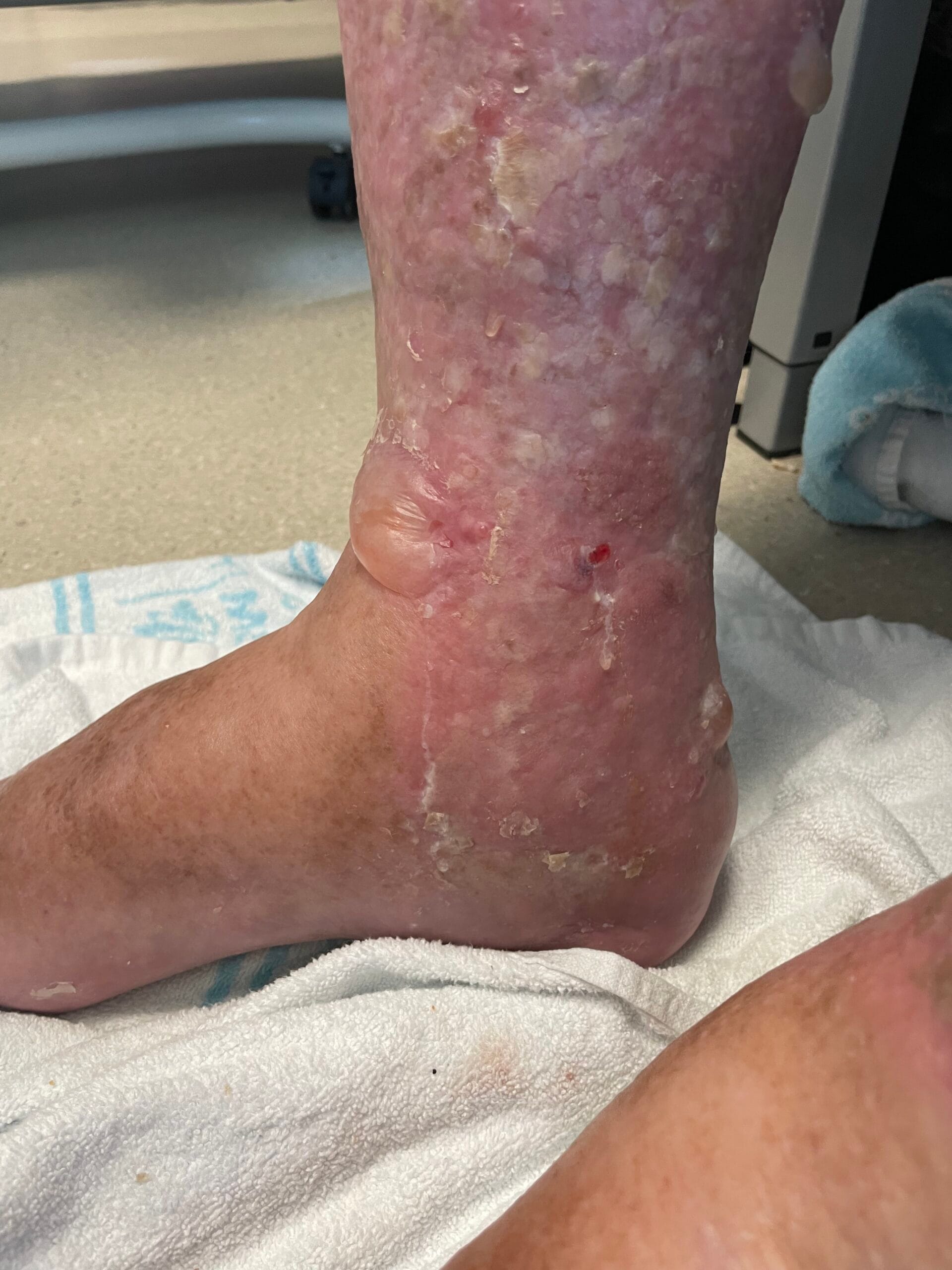
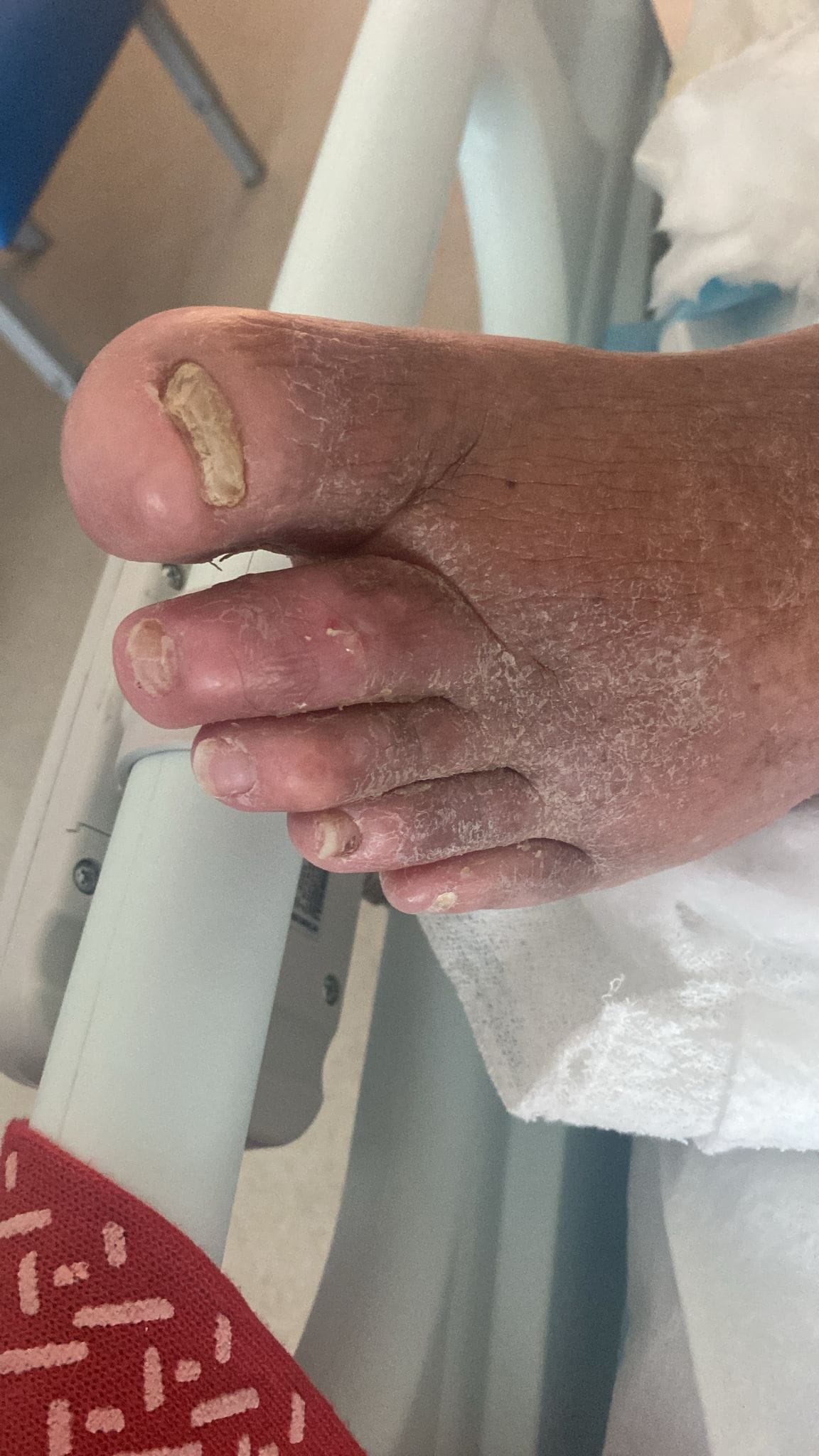
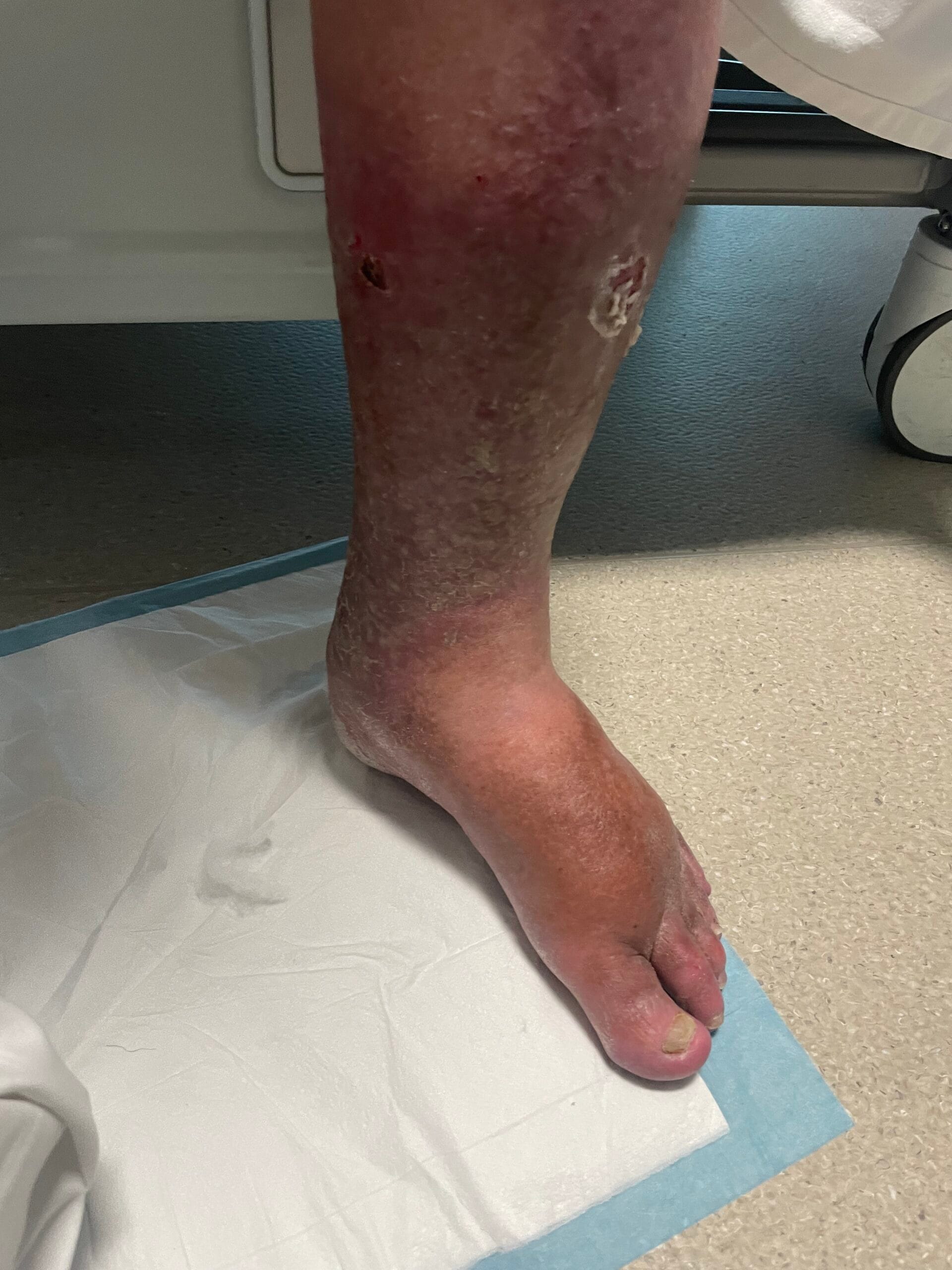
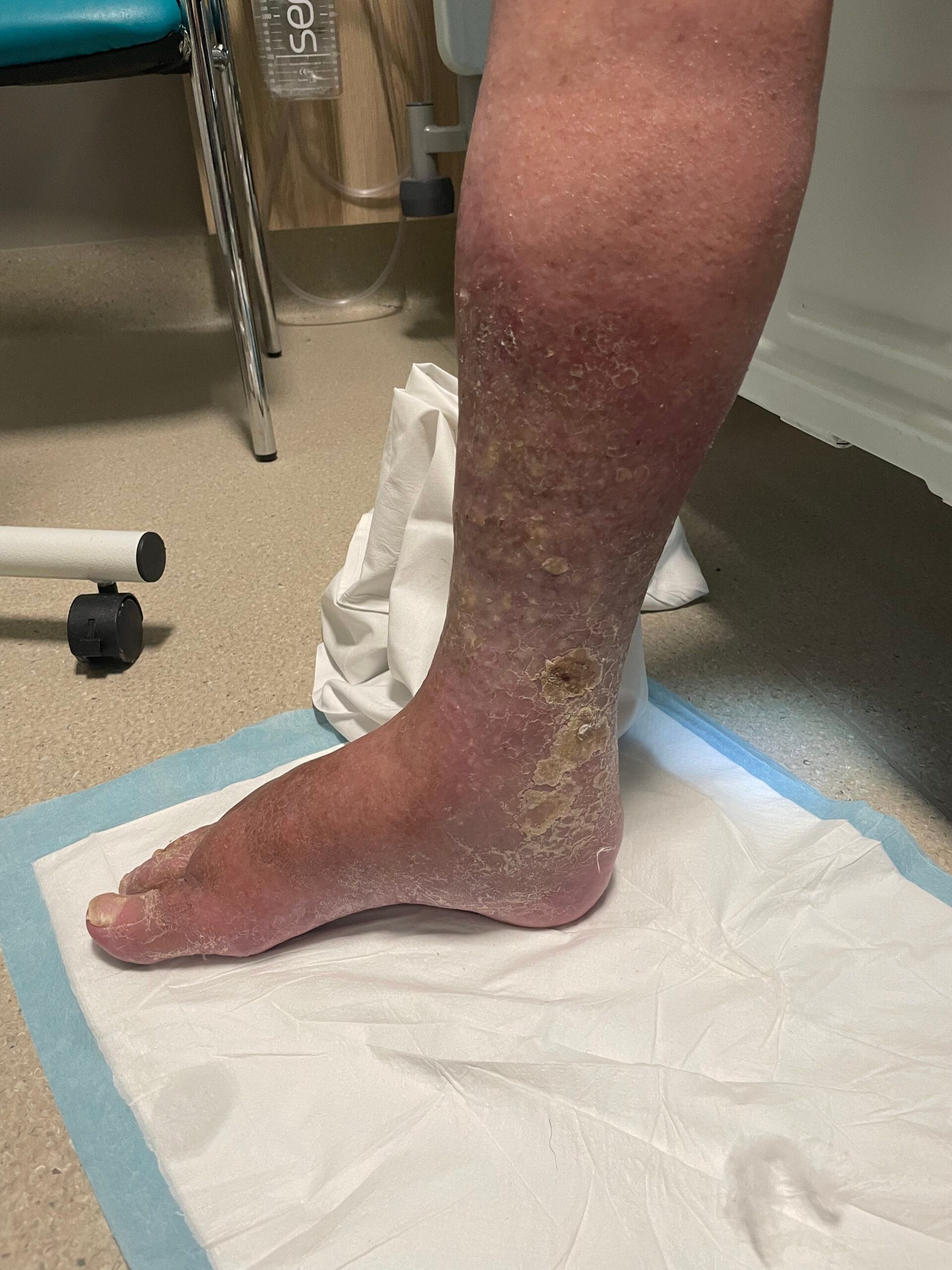
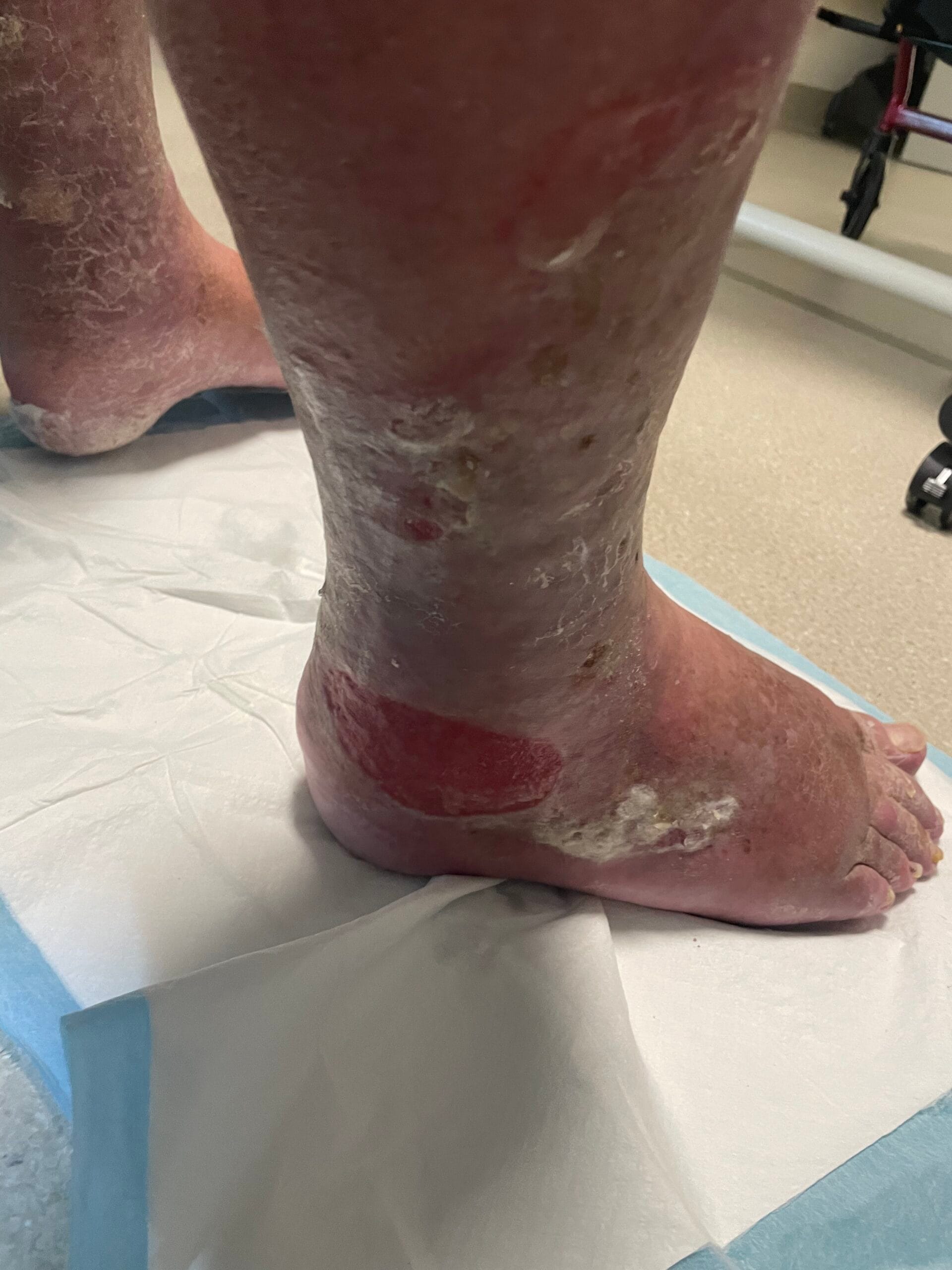
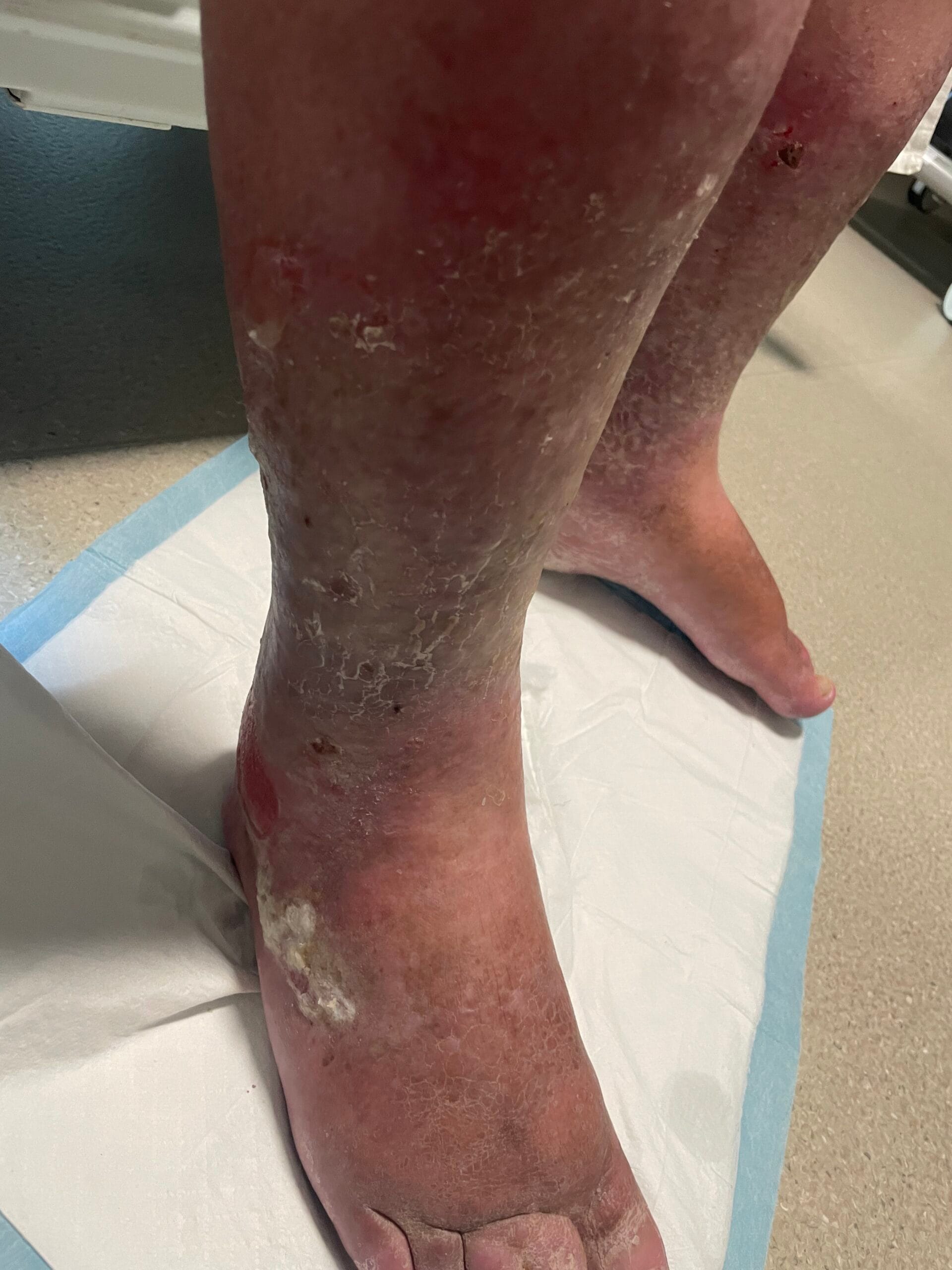
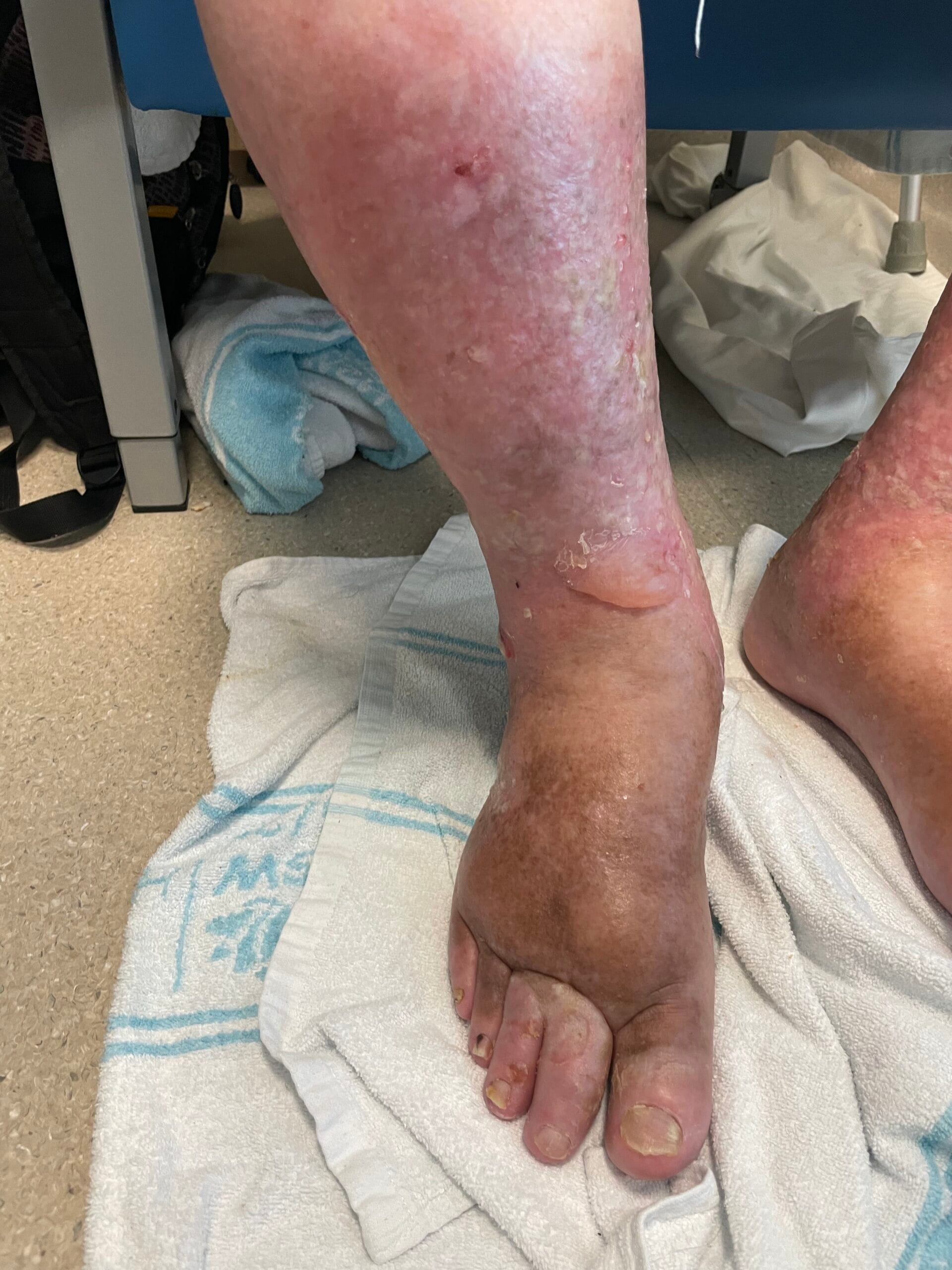
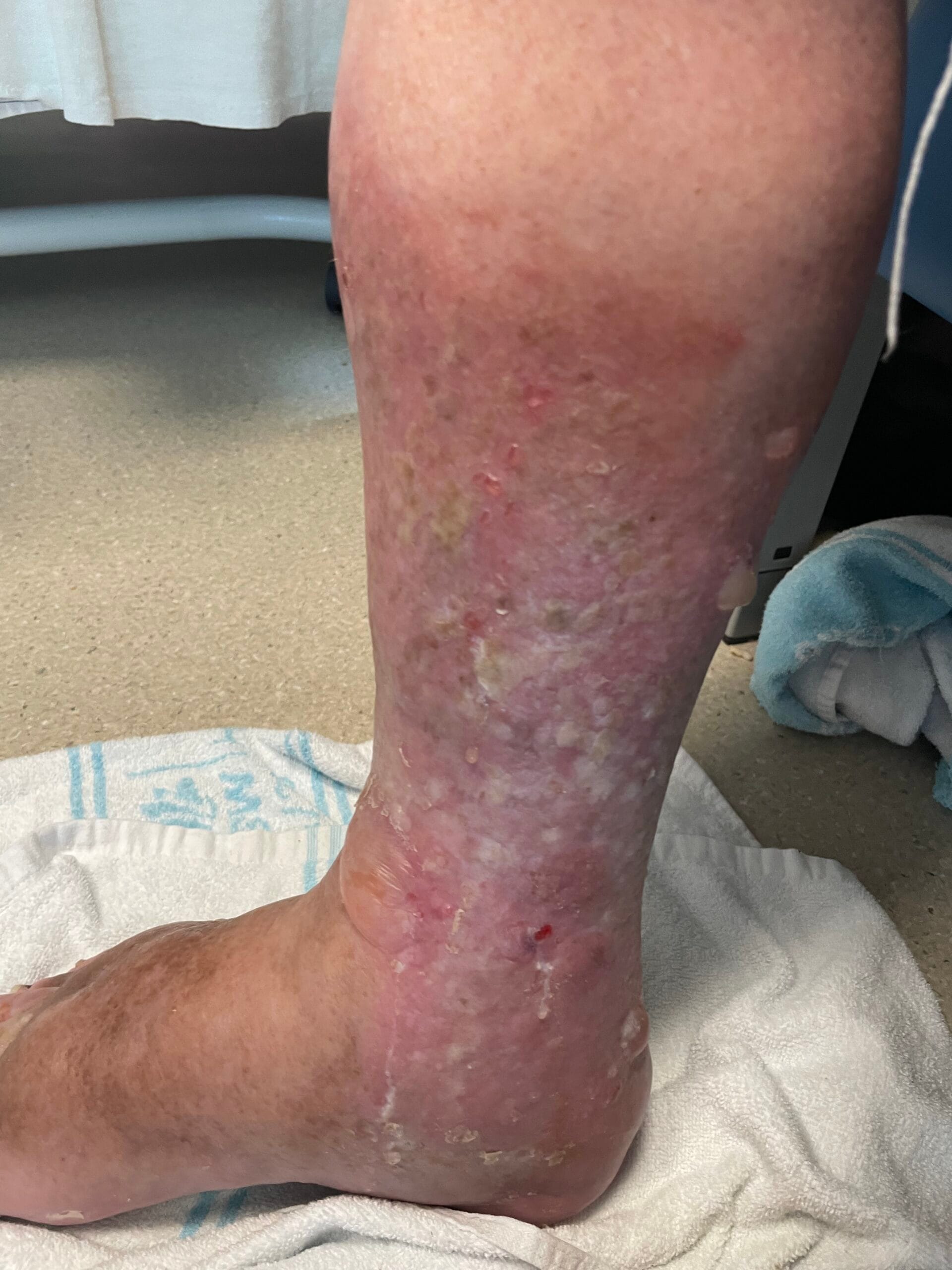
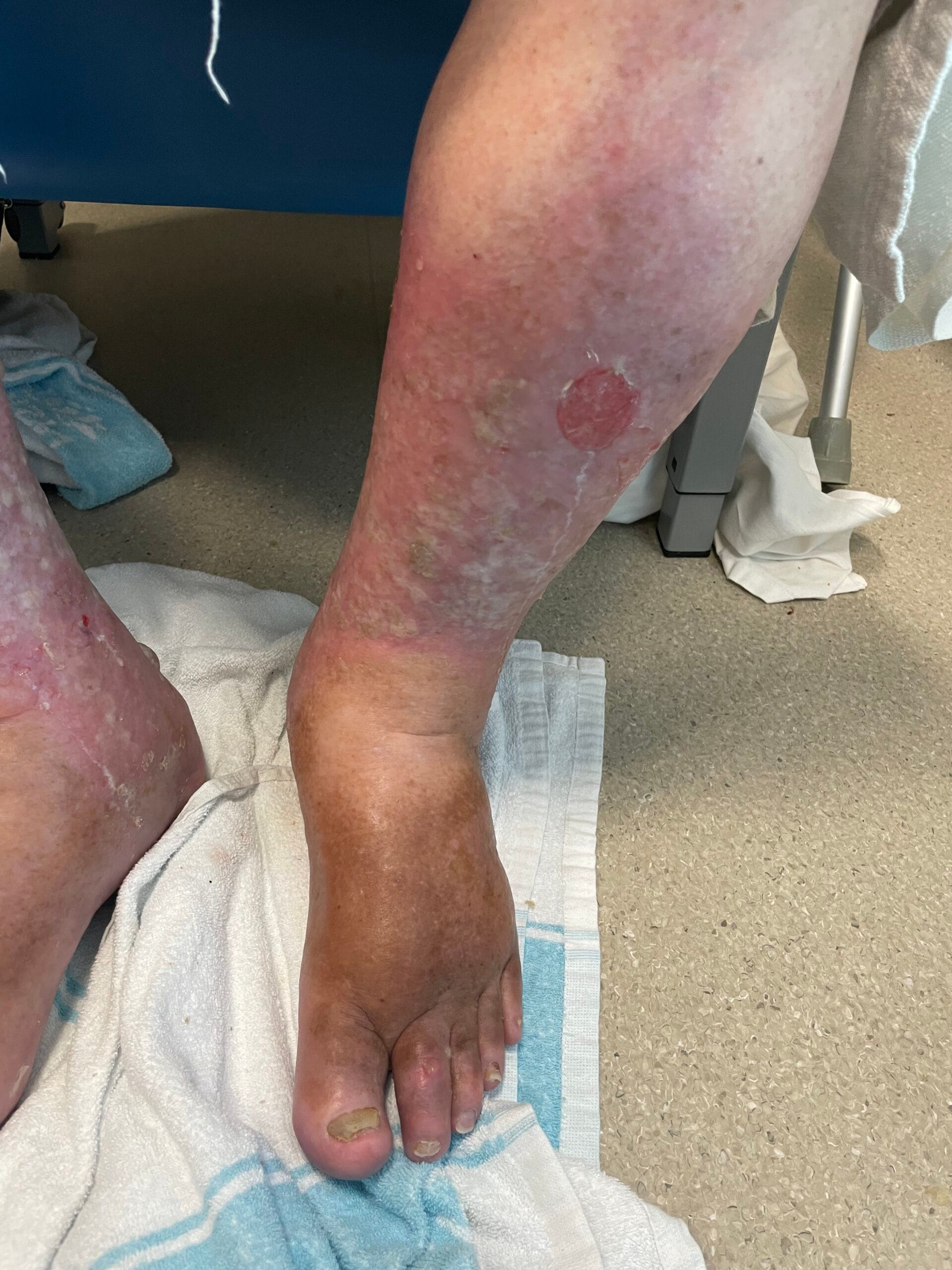
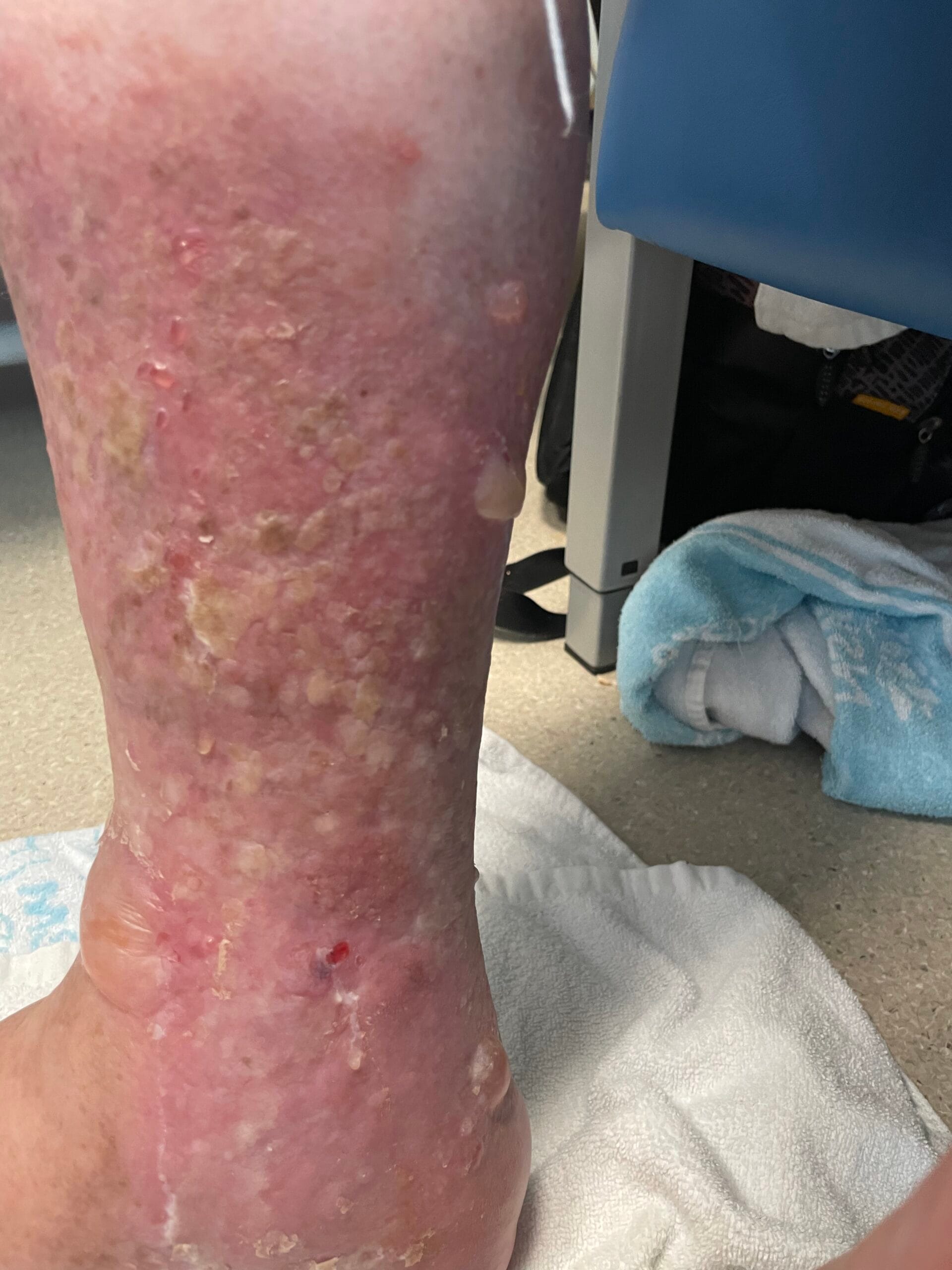
Patient was admitted with large amounts of blisters with pitting oedema in both legs. Patient's dermis was inflamed with epidermis looking macerated and peeling off. Dermatology was asked to come and review patient and formulate a dressing plan..

 Swipe 
Step 1

Daily tepid showers

Please use a soap free wash. Some brands include QV wash and Cetaphil wash.
Products Used
Step 2

Apply topical corticosteroid cream

This will need to be prescribed by a medical team. Allow the cream to be absorbed for 10min before continuing to step 3.
Products Used
Step 3

Apply a moisturiser

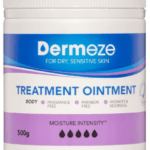
Such as Dermeze ointment to the whole body. Make sure to apply in downward strokes to avoid disrupting the fragile dermis layer
Products Used
Step 4

Cotton towel soaks

Wet cotton pyjamas or soak towels uner running hot water and squeeze/wring out. ** There is a fine line between the cotton pyjamas or towels being too hot OR once arrived and have placed them over the patient too cold and the patient become too cold over time**
Products Used
Step 5

Place cotton towels on patient

Put wet pyjamas or soaked towels over the creams (if in hospital - use 2 cotton white gowns, one frontward and one back to front over wet pyjamas or towels)
Products Used
Step 6

Keeping the patient warm

Use blankets over thermal reflective blankets to aid in the keeping the patient warm through their body heat. **Consider a bear hugger if in a hospital setting **
Products Used
Step 7

Leave for 1-2 hours

After 1-2 hours remove everything and then dress as per normal. DO NOT have a shower to remove excess creams
Products Used
Step 8

Repeat

Repeat daily for 2 -3 days or until condition has improved
Products Used
Step 9

WARNINGS

Look out for signs of hypothermia
Products Used