

Wound Care Plan

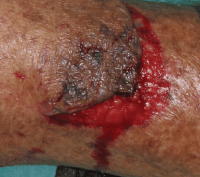
Skin Tear (Stage 2a – <25% skin flap loss)

Last Updated
22 May 2025

Quick Overview

Reference ID Number: TWS-WCP-87

Categories

Scope of Practice (ScOP) Designation

Treatment Goals

To stabilise the small skin flap to maximise skin coverage of the wound

Aim of Dressing

Stabilise the skin flap through appropriate pressure and providing a moist wound environment for epithelisation

Frequency of Dressing Change

3 Days(s) Min - 3 Days (Max)

Product Selection Disclaimer:

The wound care products being currently used are a suggestion ONLY. They do not take into account your patient's individual needs which you must assess. No funding from medical companies has been provided and wound care products are chosen on their merit and what is available on the NSW Health State Wound Care Contract. Where an exact brand name product is not available we suggest you review the alternative tab or use another wound care product from its category eg. Hydrofibre

Photo Gallery
Care Plans

Immediately after trauma has occured

Your resident has sustained a skin tear and it is actively bleeding and there is <25% skin loss.

 Swipe 
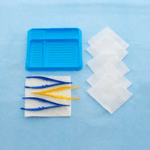
Step 1

Clean the wound and reposition skin flap
Clean the wound using normal saline and gauze and as you are cleaning and using normal saline as lubricant realign the skin flap. This will aid in its salvage and ultimately its viability
Products Used
Step 2

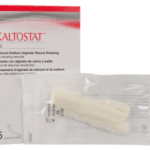
Apply Primary dressing

Apply the alginate dressing
Products Used
Step 3

Secure the dressing

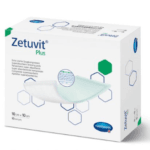
Use a highly absorbent non-adhesive dressing. This is because it will absorb any exudate that occurs and you wont need to change it. This lessens the chances of the skin flap being disturbed and dying. It also adds protection to the area through adding bulk to the dressing
Products Used
Step 4

Apply Compression

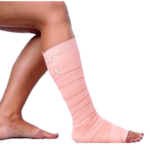
Using a cotton bandage and crepe combination apply a small amount of pressure to aid the skin flap being pushed onto the skin bed. The dressing does not need to be 'tight'. NO tapes should be used on the patient's skin
Products Used
Step 5

Monitor

Monitor the dressing to make sure there is no active bleeding. Do NOT remove the dressing as this could dislodge the fragile clot that is forming and the skin flap
Products Used

Once bleeding has stopped

Bleeding has stopped and the wound requires a moist wound environment to epithelise. AFTER THE INITIAL DRESSING HAVE BEEN LEFT FOR 3 DAYS. ** Assess if the skin flap has survived. If it has not it has progressed to a Category 3)

 Swipe 
Step 1

Clean the wound

Clean the wound using normal saline and gauze. Do not scrub the area but 'dab' softly. If blood or crusting does not come off easily leave it. The viability of the skin flap is more important.
Products Used
Step 2

Apply Primary dressing

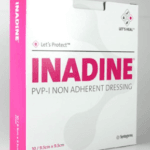
Apply a double layer of inadine
Products Used
Step 3

Secure the dressing

Use a highly absorbent non-adhesive dressing. This is because it will absorb any exudate that occurs and you wont need to change it. This lessens the chances of the skin flap being disturbed and dying. It also adds protection to the area through adding bulk to the dressing
Products Used
Step 4

Apply Compression

Using a cotton bandage and crepe combination apply a small amount of pressure to aid the skin flap being pushed onto the skin bed. The dressing does not need to be 'tight'. NO tapes should be used on the patient's skin
Products Used
Step 5

Monitor

Recheck in 2-3 days
Products Used