

Wound Care Plan

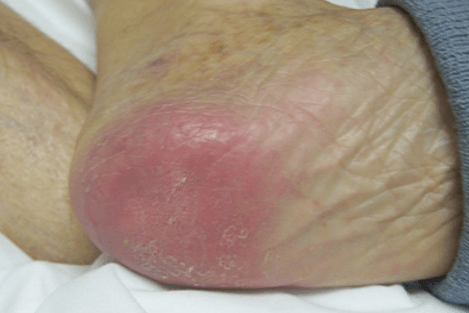
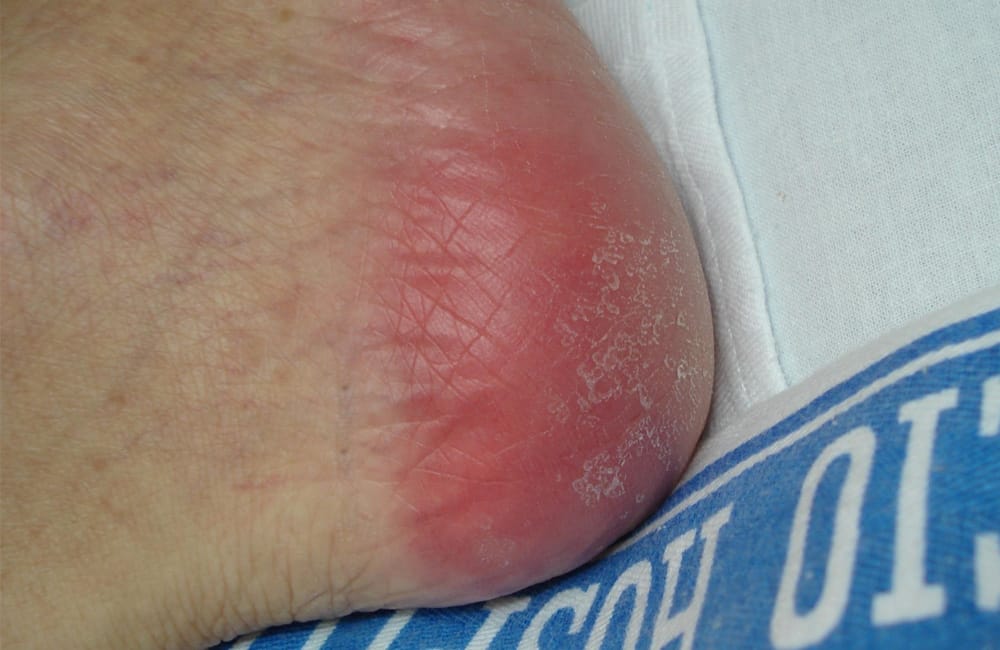
Pressure Injury – (Stage 1) – Shepparton Retirement Village

Last Updated
05 July 2025

Quick Overview

Reference ID Number: SRV-WCP-06

Categories

Scope of Practice (ScOP) Designation

Treatment Goals

Minimise further pressure the the heel area

Aim of Dressing

Reduce insults on the skin by raising the heels and protecting the skin's integrity

Frequency of Dressing Change

1 Days(s) Min - 7 Days (Max)

References

Shopping List

Page Table of Contents

    Product Selection Disclaimer:

    The wound care products being currently used are a suggestion ONLY. They do not take into account your patient's individual needs which you must assess. No funding from medical companies has been provided and wound care products are chosen on their merit and what is available on the NSW Health State Wound Care Contract. Where an exact brand name product is not available we suggest you review the alternative tab or use another wound care product from its category eg. Hydrofibre

    Photo Gallery

    Care Plans

    Heel

    A patient is struggling to be independent with their mobility due to fatigue and has been laying in bed without moving

     Swipe 
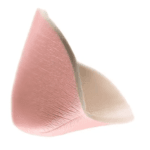
    Step 1

    Minimise skin trauma

    Protect the heels by applying an appropriate dressing. Make sure the are no creases in the dressing
    Products Used
    Step 2

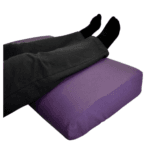
    Raise the heels

    Order a heel elevator through Innovate Care. This will raise the heels off the mattress whilst supporting the feet through the lower legs thus avoiding another pressure injury forming due to the large surface area of the support.
    Products Used
    Step 3

    Monitor

    At a minimum the dressing should be 'windowed' and area viewed and rechecked every shift.
    Products Used

    Hip/Shoulder blades

    A patient is struggling to be independent with their mobility due to fatigue and has been laying in bed without moving

     Swipe 
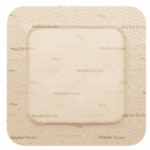
    Step 1

    Minimise skin trauma

    Protect the hips/shoulder blades by applying an appropriate dressing. Make sure the are no creases in the dressing
    Products Used
    Step 2

    Offload the affected area

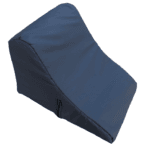
    Using a wedge offload the area. The wedge will aid the patient to stay off the affected area and allow them to use it as a support.
    Products Used
    Step 3

    Monitor

    At a minimum the dressing should be 'windowed' and area viewed and rechecked every shift.
    Products Used