


Quick Overview
Categories
Scope of Practice (ScOP) Designation
Treatment Goals
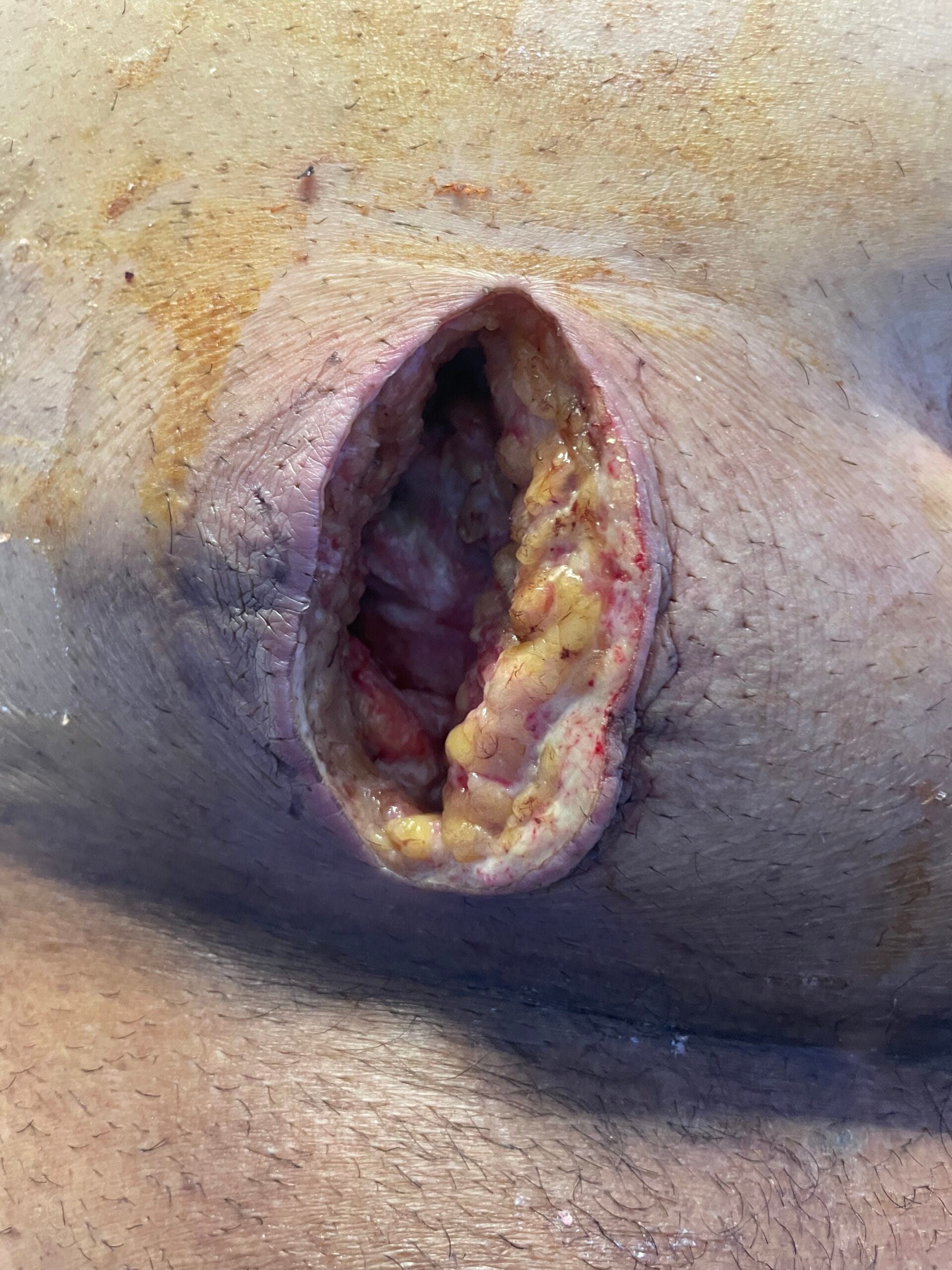
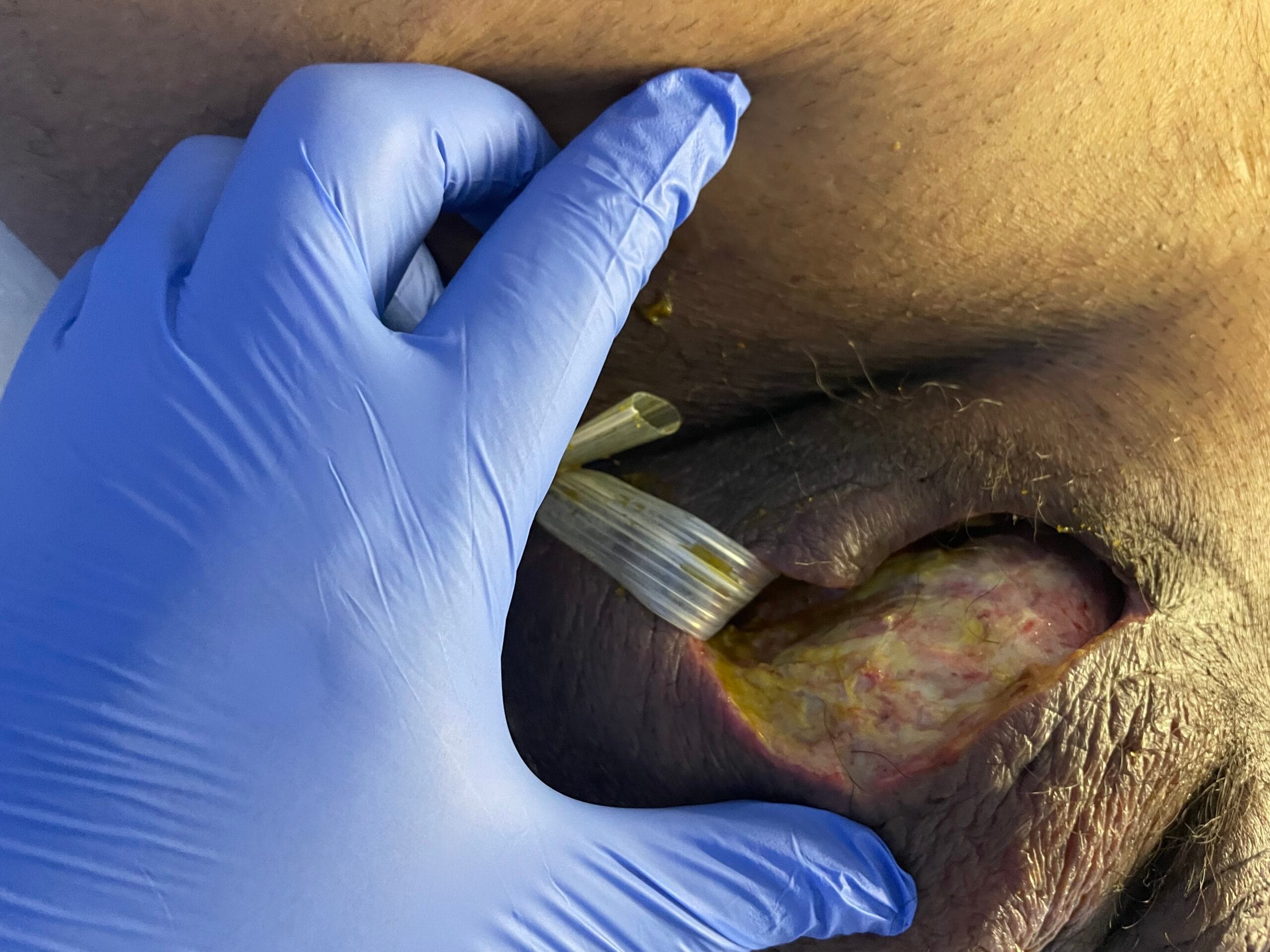
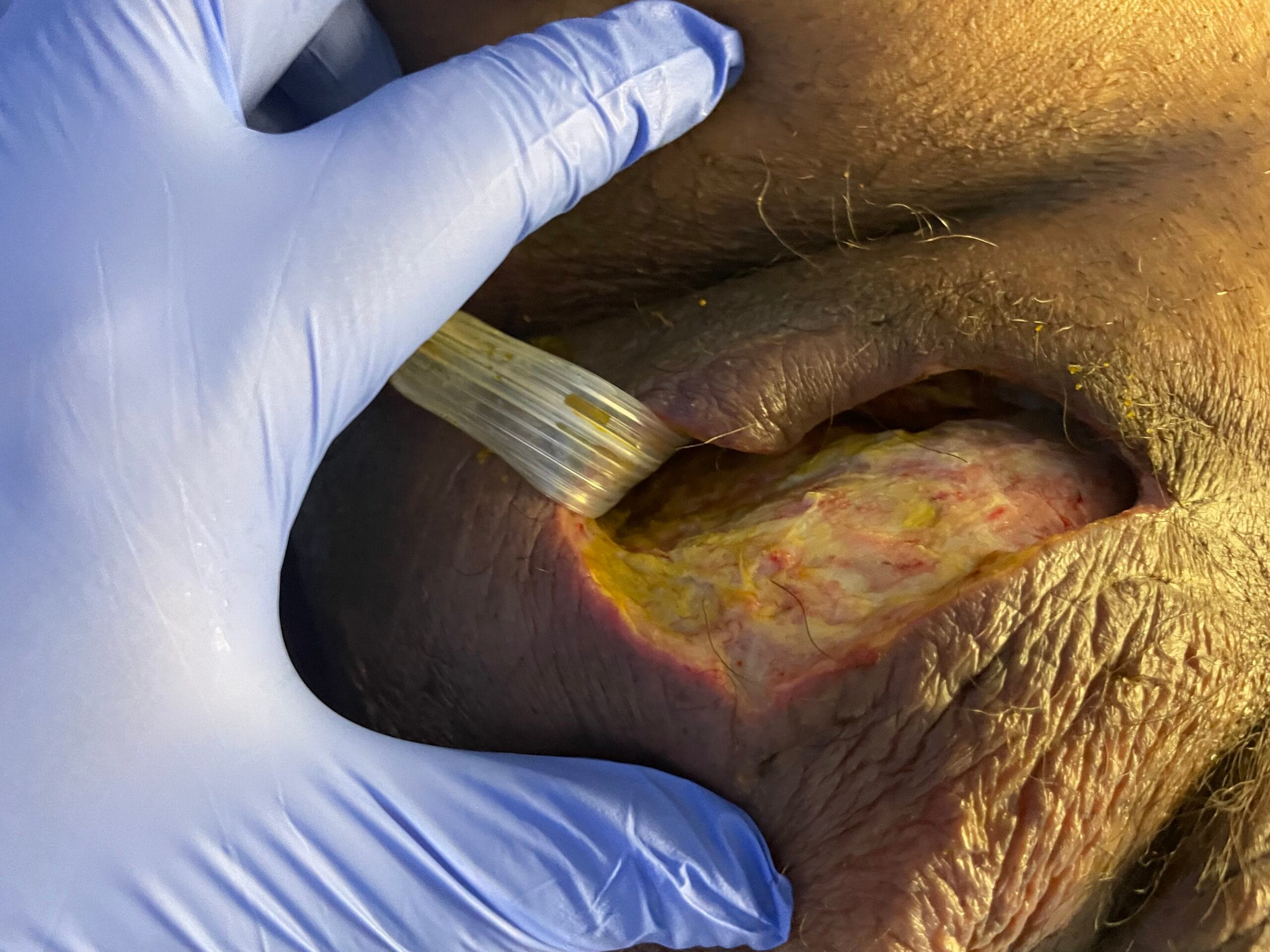
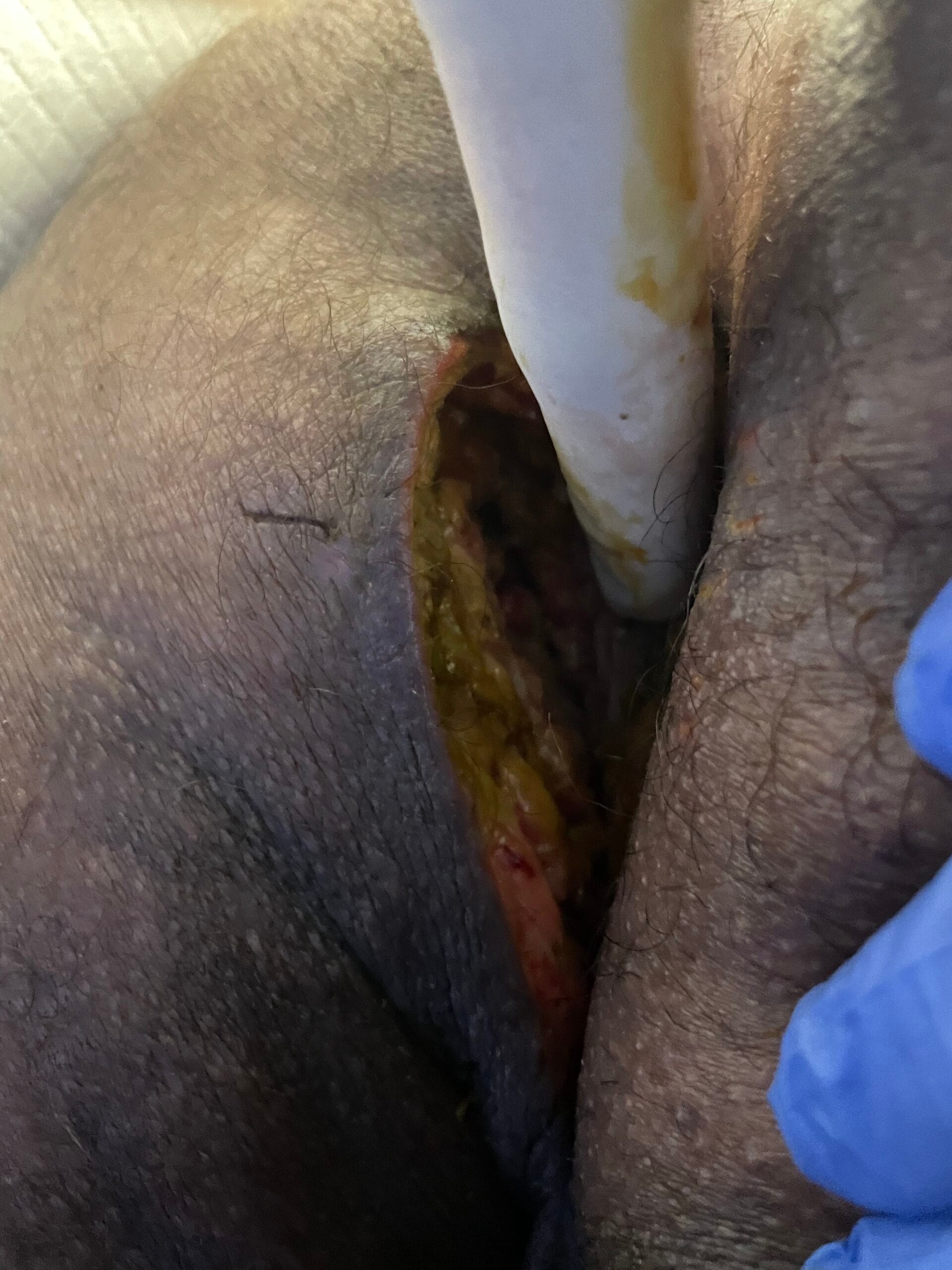
Stabilise wound post surgical debridement whilst awaiting bowel and urinary diversion. This patient had 3 areas of necrotising fasciitis (abdomen, perianal region and scrotum). ** Optional** It is worth considering putting in a Fecal Containment Device (FCD) to minimise fecal contamination if the patient's fecal matter is thin enough.
Aim of Dressing
Daily and or BD dressing aim to reduce soiling from having the patient's bowels open whilst promoting granulation tissue in a moist wound healing environment once the betadine has been absorbed
Frequency of Dressing Change
Consult(s) / Diagnostic Test Required
Assumption that Colorectal, Urology have been consulted.
References
Product Selection Disclaimer:
The wound care products being currently used are a suggestion ONLY. They do not take into account your patient's individual needs which you must assess. No funding from medical companies has been provided and wound care products are chosen on their merit and what is available on the NSW Health State Wound Care Contract. Where an exact brand name product is not available we suggest you review the alternative tab or use another wound care product from its category eg. Hydrofibre
Photo Gallery
Care Plans
Multiple isolated wounds
Patient has a urorectal fistula which he left too late and necrotising fasciitis occurred. This dressing plan is to stabilise the wounds before his large surgery to create an ileal conduit (urostomy) and a colostomy.
Swipe

Grab a friend
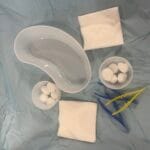
Prepare Sterile Field

Clean the wounds
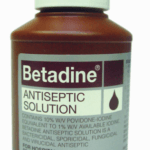
Pack with iodine soaked gauze
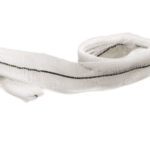
Pack with iodine soaked gauze #2
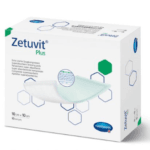
Cover with zetuvit and secure