


Quick Overview
Categories
Scope of Practice (ScOP) Designation
Treatment Goals
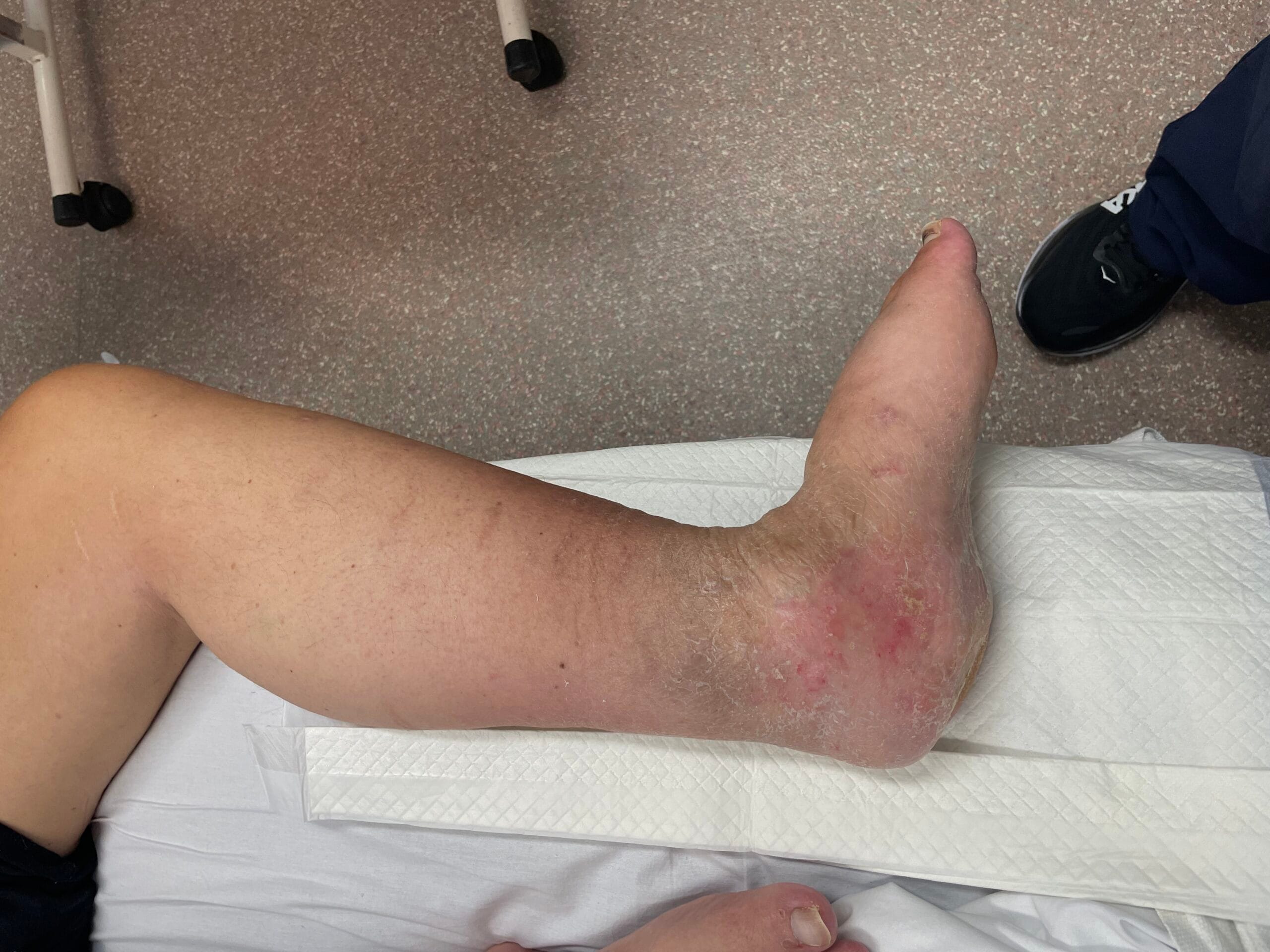
To treat the long standing diabetic ulcers through appropriate offloading (through orthotics), tracking changes in the anatomy of the foot and foot pressures ( through podiatry and orthopedics) as well as maximising blood flow through the limb (vascular). All these specialties mixed in with wound care aim to give the patient the best quality of life and maximising the mobility of the patient.
Aim of Dressing
Remove the slough by chemical agents and provide a soft non-pin pointed dressing that allows for offloading through a customised camboot.
Frequency of Dressing Change
Consult(s) / Diagnostic Test Required
Reviews by: Vascular surgeons, podiatry, orthotics, physiotherapy, artieral duplex's, toe pressures
References
Shopping List
Product Selection Disclaimer:
The wound care products being currently used are a suggestion ONLY. They do not take into account your patient's individual needs which you must assess. No funding from medical companies has been provided and wound care products are chosen on their merit and what is available on the NSW Health State Wound Care Contract. Where an exact brand name product is not available we suggest you review the alternative tab or use another wound care product from its category eg. Hydrofibre
Photo Gallery

Care Plans
Foam Dressings
Where a patient does not have the capacity to manage an activac a foam dressing can be used so that the dressing does not clump and therefore apply unnecessary direct pressure to any point in the foot.
Swipe
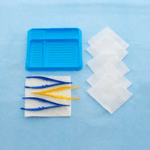
Prepare Sterile Field
Clean wound bed

Apply Urgo Clean Ag
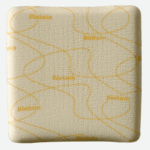
Cover with Biatain
Vac dressings
Where a patient can mobilise with a Activac this can greatly improve the wound healing time. However this comes with the risk of tripping and leaking issues.
Swipe
Prepare Sterile Field
Clean wound bed
Apply bridge dressing
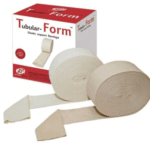
Secure with Tubular form