

Wound Care Plan

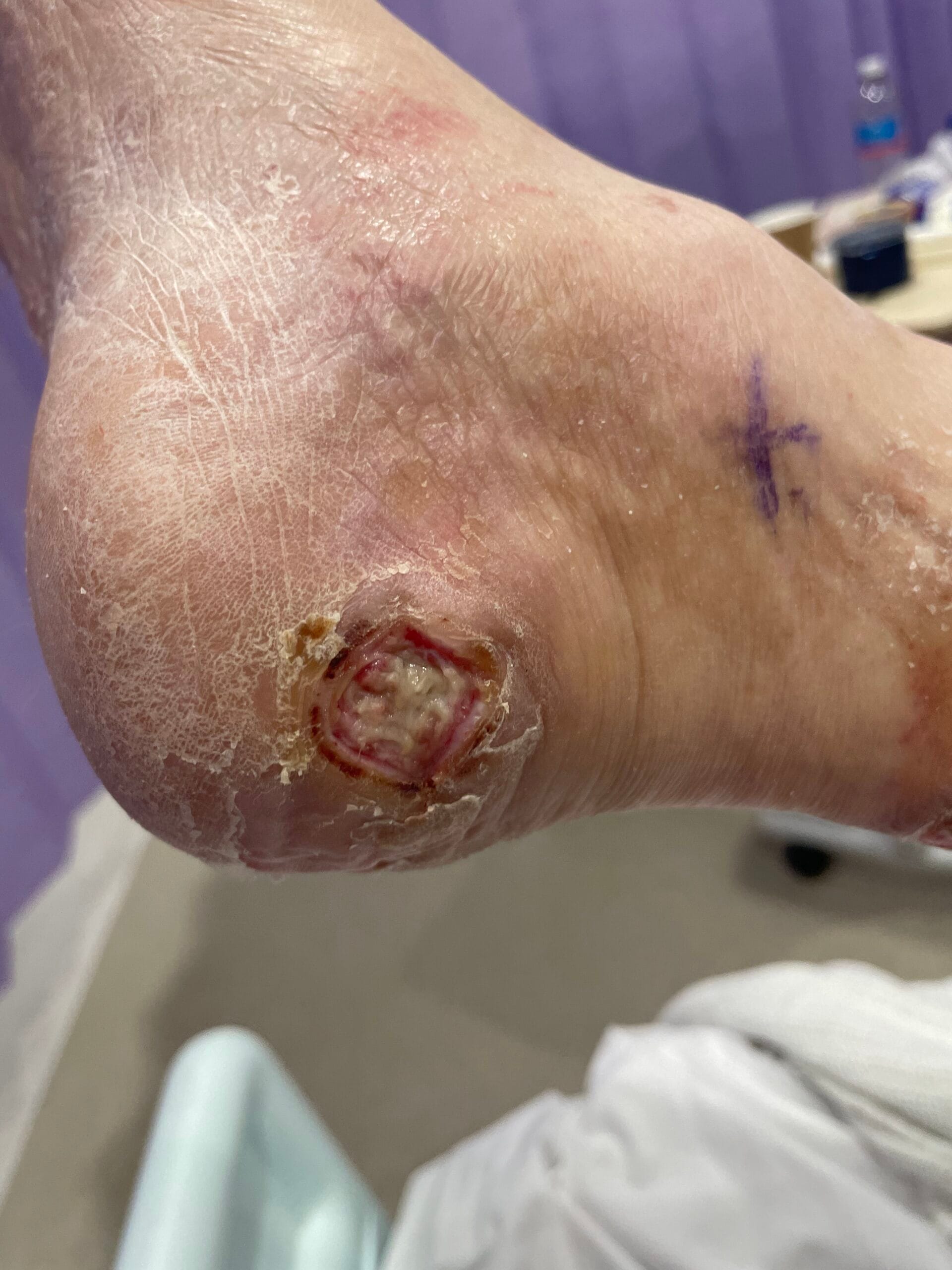
Diabetic Foot Ulcer – General Practitioner

Last Updated
29 August 2025

Quick Overview

Reference ID Number: PH-WCP-005

Categories

Scope of Practice (ScOP) Designation

Treatment Goals

Remove cellular debris by mechanical or sharp debridement to allow for secondary intention healing to occur whilst providing venous insufficiency support

Aim of Dressing

Remove cellular debris or nonviable tissue within the pain threshold of the patient and apply compression to the level that the patient is compliant and happy with

Frequency of Dressing Change

2 Days(s) Min - 3 Days (Max)

Consult(s) / Diagnostic Test Required

Ankle Brachial Index/Toe Pressures

Product Selection Disclaimer:

The wound care products being currently used are a suggestion ONLY. They do not take into account your patient's individual needs which you must assess. No funding from medical companies has been provided and wound care products are chosen on their merit and what is available on the NSW Health State Wound Care Contract. Where an exact brand name product is not available we suggest you review the alternative tab or use another wound care product from its category eg. Hydrofibre

Photo Gallery
Care Plans

Mechanical Debridement

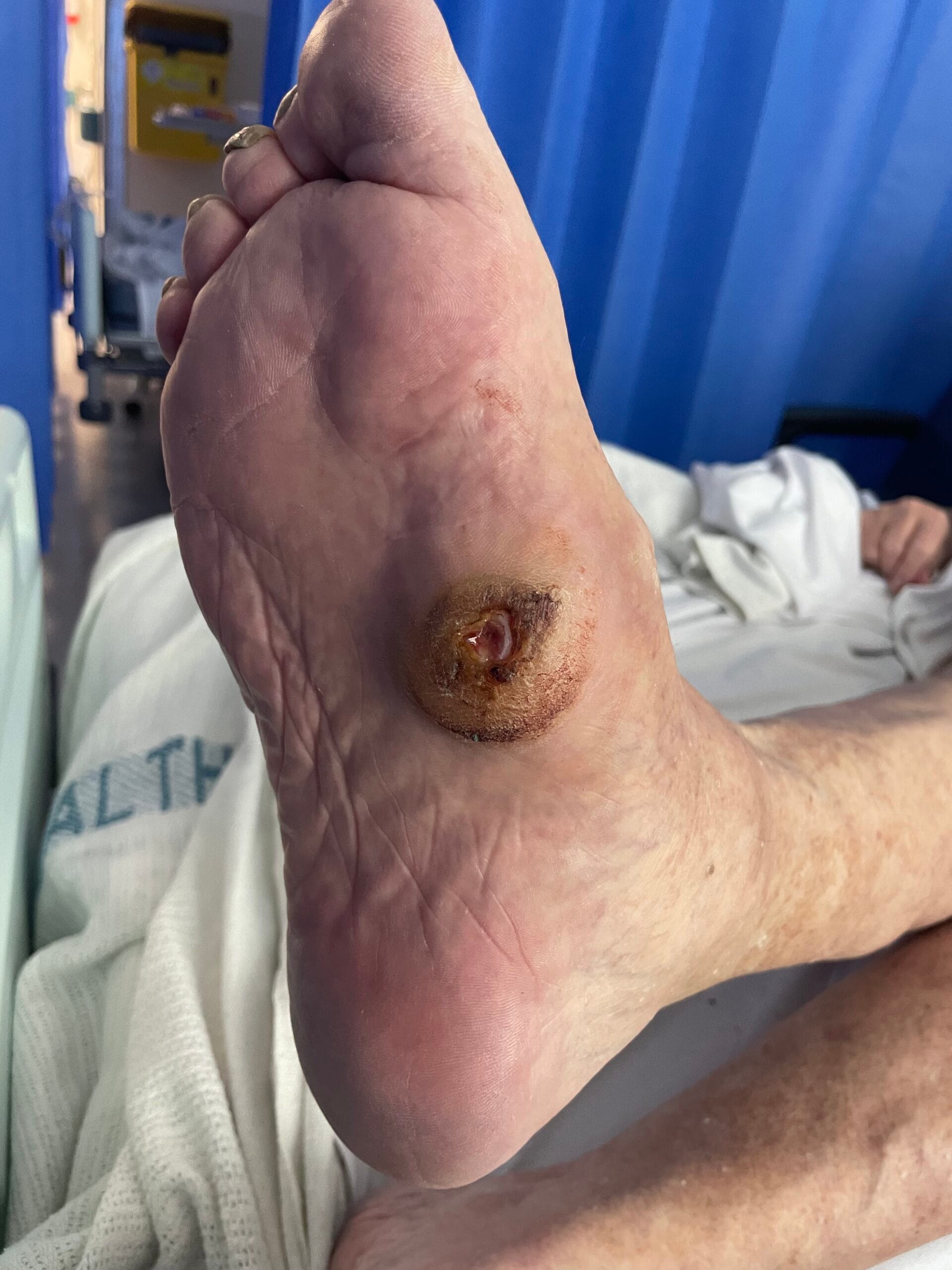
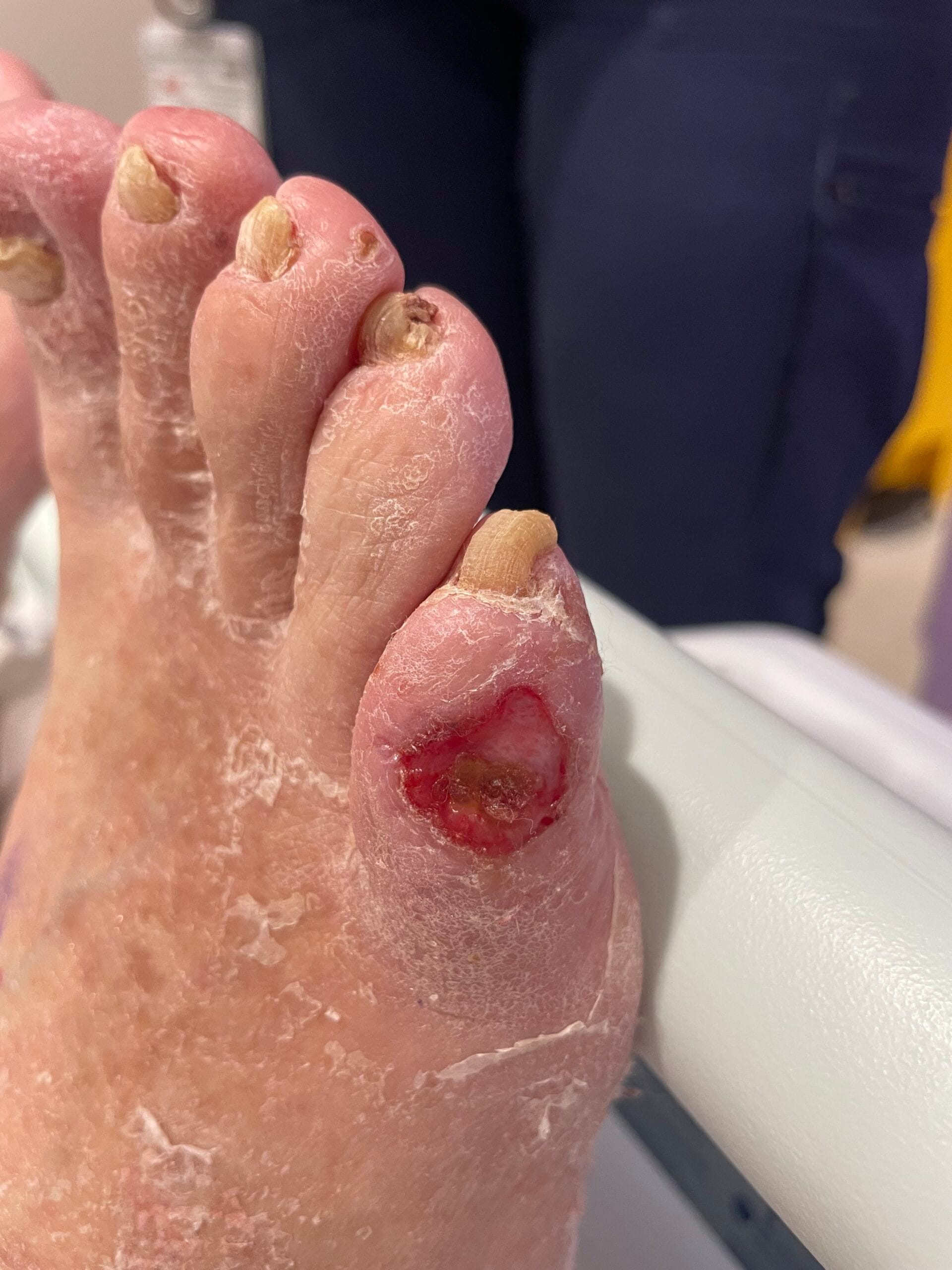
Patient have a diabetic foot ulcer that is not infected and requires mechanical debridement

 Swipe 
Step 1

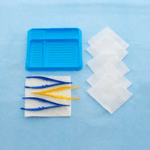
Setup sterile field

Setup your sterile field with all your sterile products
Products Used
Step 2

Cleanse the wound bed

Cleanse the wound bed by placing the woven gauze (not the pressed gauze found in your dressing pack) onto the wound and saturate with prontosan and allow to sit for 10 minutes.
Products Used
Step 3

Mechanical debridement

Use the gauze covered in prontosan to scrub the wound bed to remove the bioburden and any visible cellular debris or devitalised tissue
Products Used
Step 4

Apply primary dressing

After the wound has been cleaned apply the Urgo clean sticky side down onto the wound bed. If the wound has depth to it you will need to cut the dressing to the shape of the wound and place it into the wound. You may then apply the remainder of the dressing onto of the first piece.
Products Used
Step 5

Apply Secondary dressing

Cover with secondary dressing
Products Used
Step 6

Secure

Secure with tape or cotton bandage and crepe
Products Used

Sharp Debridement with silver dressing

Patient have a diabetic foot ulcer that is infected and requires sharp debridement

 Swipe 

Before the procedure begins

Assess the pain tolerance

If patient has a very sensitive wound area consult with your Medical Officer regarding the use of local anaesthesia. This requires 30min to full take affect.
Products Used
Step 1

Setup sterile field

Setup your sterile field with all your sterile products
Products Used
Step 2

Clean the wound

Cleanse the wound bed by placing the woven gauze (not the pressed gauze found in your dressing pack) onto the wound and saturate with prontosan and allow to sit for 10 minutes.
Products Used
Step 3

Mechanical debridement

Use the gauze covered in prontosan to scrub the wound bed to remove the bioburden and any visible cellular debris or devitalised tissue
Products Used
Step 4

Sharpe Debridement

Where the mechanical debridement fails and if the skill of sharp debridement is within your scope of practice proceed with removing devitalised tissue using a scalple
Products Used
Step 5

Apply Primary Dressing

After the wound has been cleaned apply the Urgo Clean AG sticky side down onto the wound bed. If the wound has depth to it you will need to cut the dressing to the shape of the wound and place it into the wound. You may then apply the remainder of the dressing onto of the first piece.
Products Used
Step 6

Apply Secondary dressing

Cover with secondary dressing
Products Used
Step 7

Secure

Secure with tape or appropriately sized Tubular Dressing
Products Used