


Quick Overview
Categories
Scope of Practice (ScOP) Designation
Treatment Goals
Provide skin integrity support to the limbs to reduce further skin breakages
Aim of Dressing
To providi a moist wound environment to broken skin areas whilst slowly shunting the pitting oedema from the legs and allowing the antibiotics to take effect.
Frequency of Dressing Change
Consult(s) / Diagnostic Test Required
Arterial and Venous Duplex
References
Shopping List
Product Selection Disclaimer:
The wound care products being currently used are a suggestion ONLY. They do not take into account your patient's individual needs which you must assess. No funding from medical companies has been provided and wound care products are chosen on their merit and what is available on the NSW Health State Wound Care Contract. Where an exact brand name product is not available we suggest you review the alternative tab or use another wound care product from its category eg. Hydrofibre
Photo Gallery
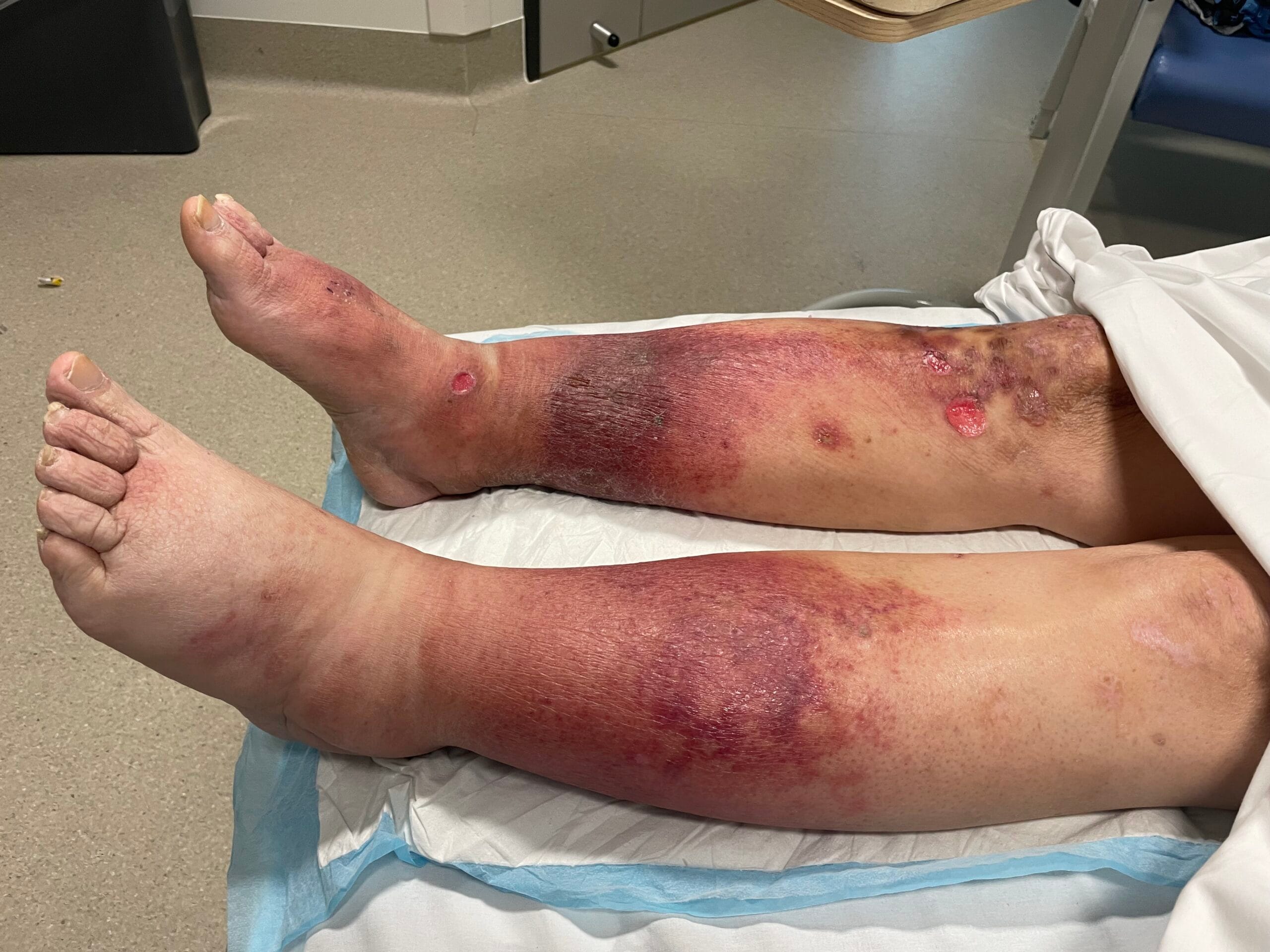
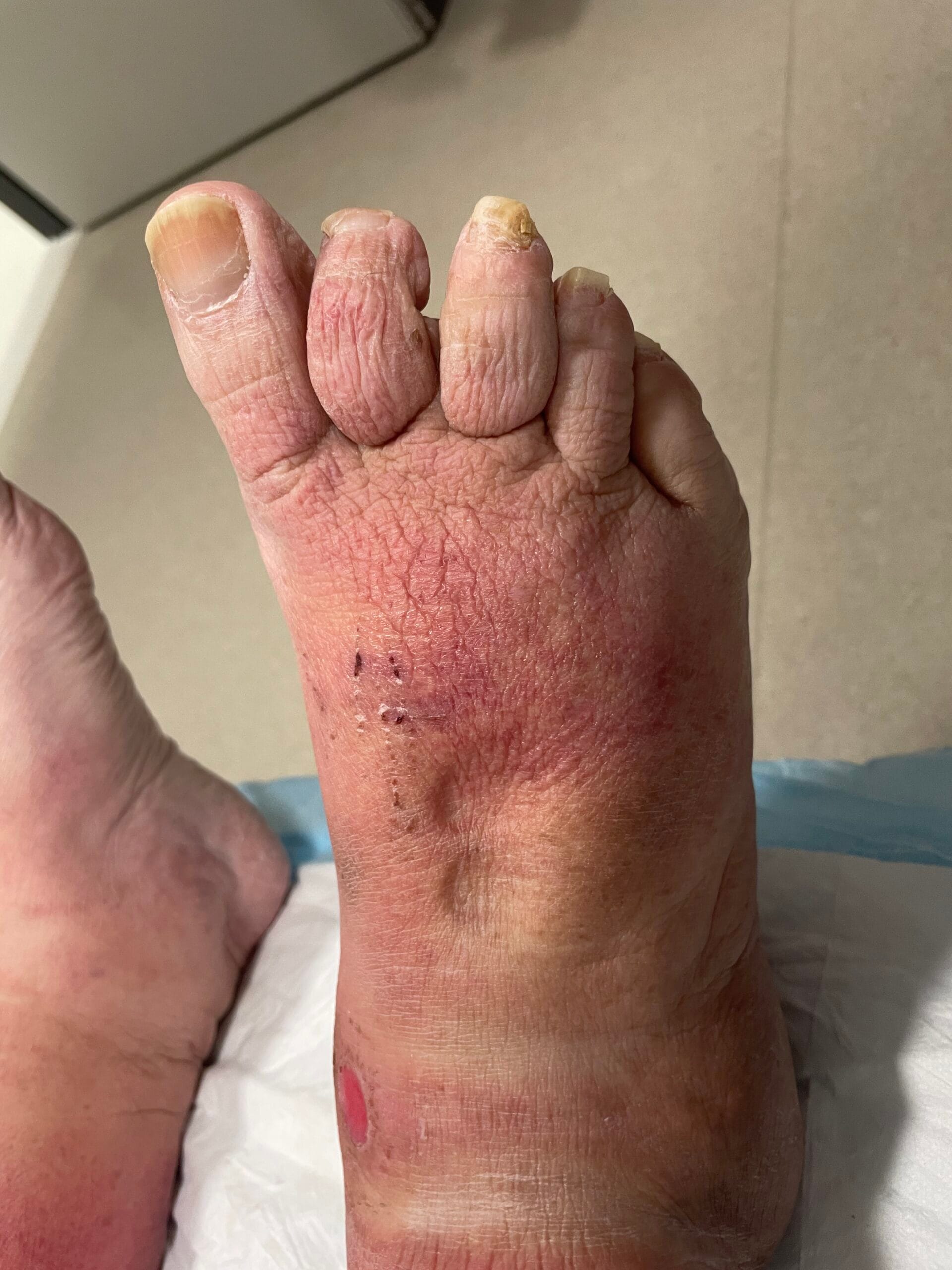
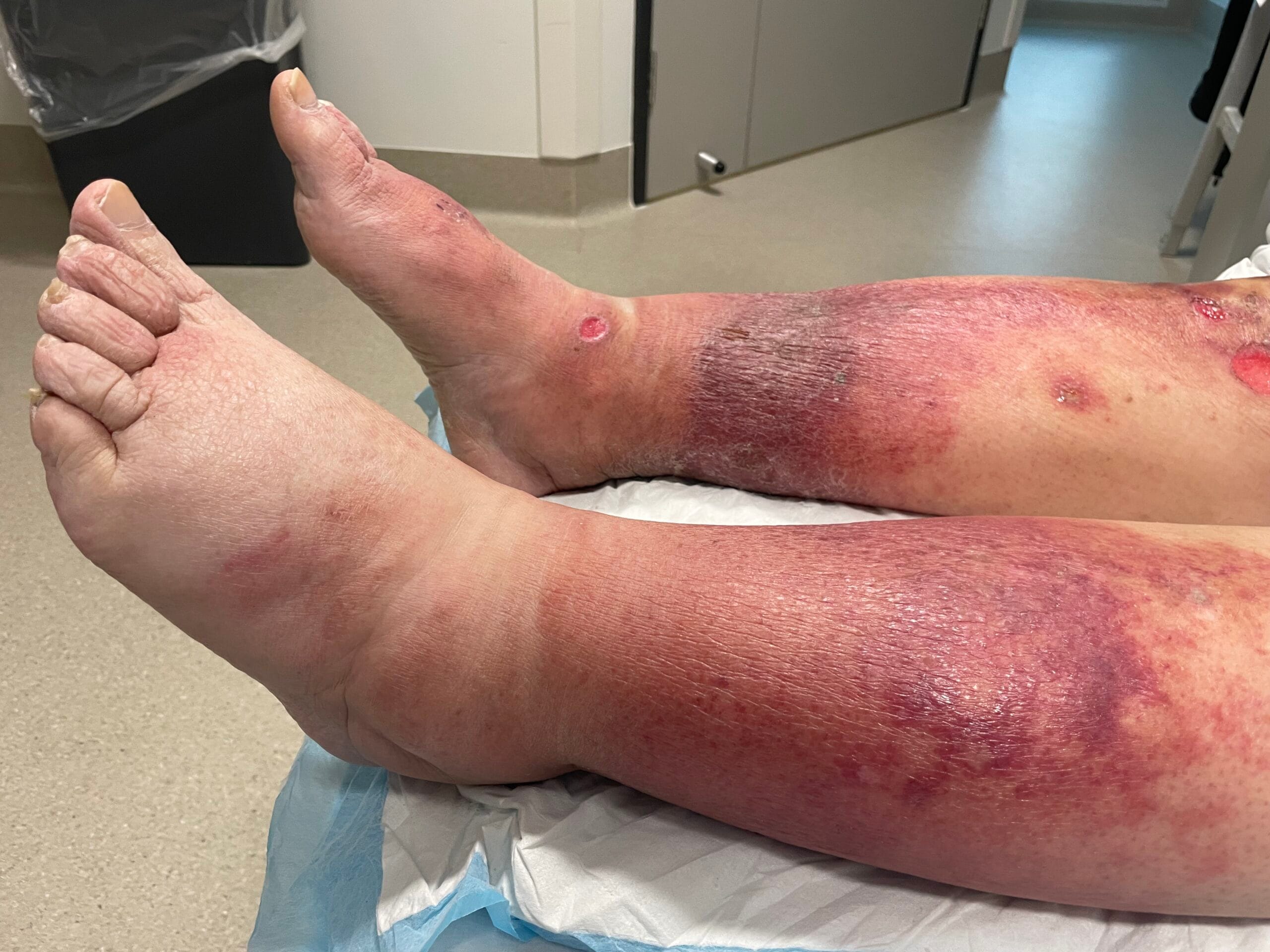
Care Plans
Clean the legs
Patient has well developed lower limb cellulitis with pitting oedema in both legs and requires to sit out of bed rather then have their legs elevated in bed.
Swipe
Clean their legs
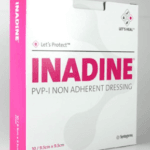
Apply inadine
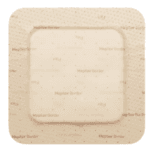
Apply mepilex border
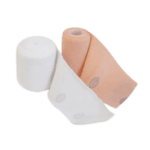
Wrap the legs
Acute Management (B)
If patient is unable to tolerate compression bandages
Swipe

Acute management (a)
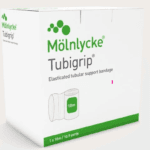
Measure for tubular bandage