


Quick Overview
Categories
Scope of Practice (ScOP) Designation
Treatment Goals
To reduce the chances of a primary closure of a necrotic toe not healing requiring further intervention or leading to sepsis
Aim of Dressing
To dry out the primary closer line
Frequency of Dressing Change
References
Shopping List
Product Selection Disclaimer:
The wound care products being currently used are a suggestion ONLY. They do not take into account your patient's individual needs which you must assess. No funding from medical companies has been provided and wound care products are chosen on their merit and what is available on the NSW Health State Wound Care Contract. Where an exact brand name product is not available we suggest you review the alternative tab or use another wound care product from its category eg. Hydrofibre
Photo Gallery

Care Plans
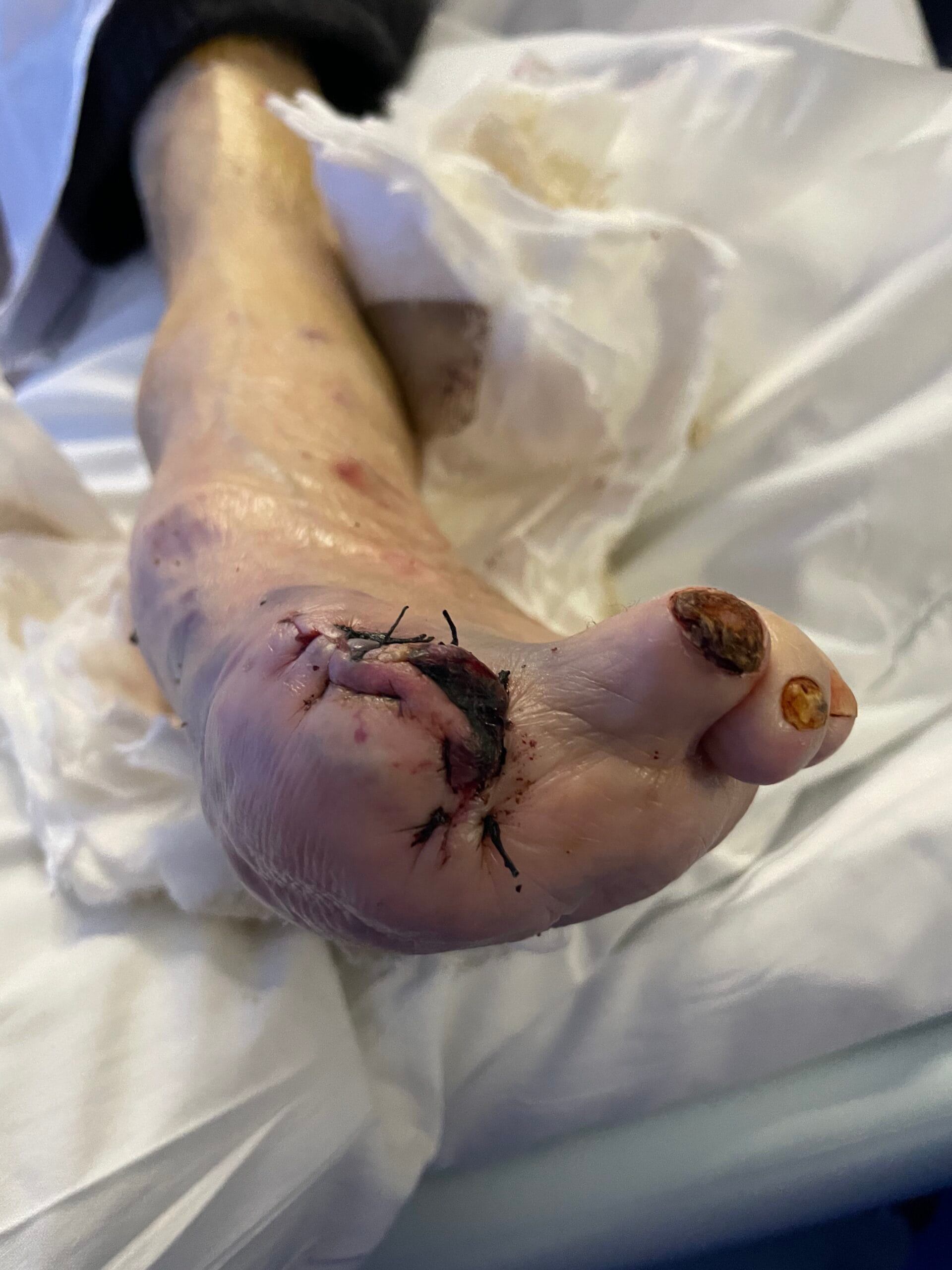
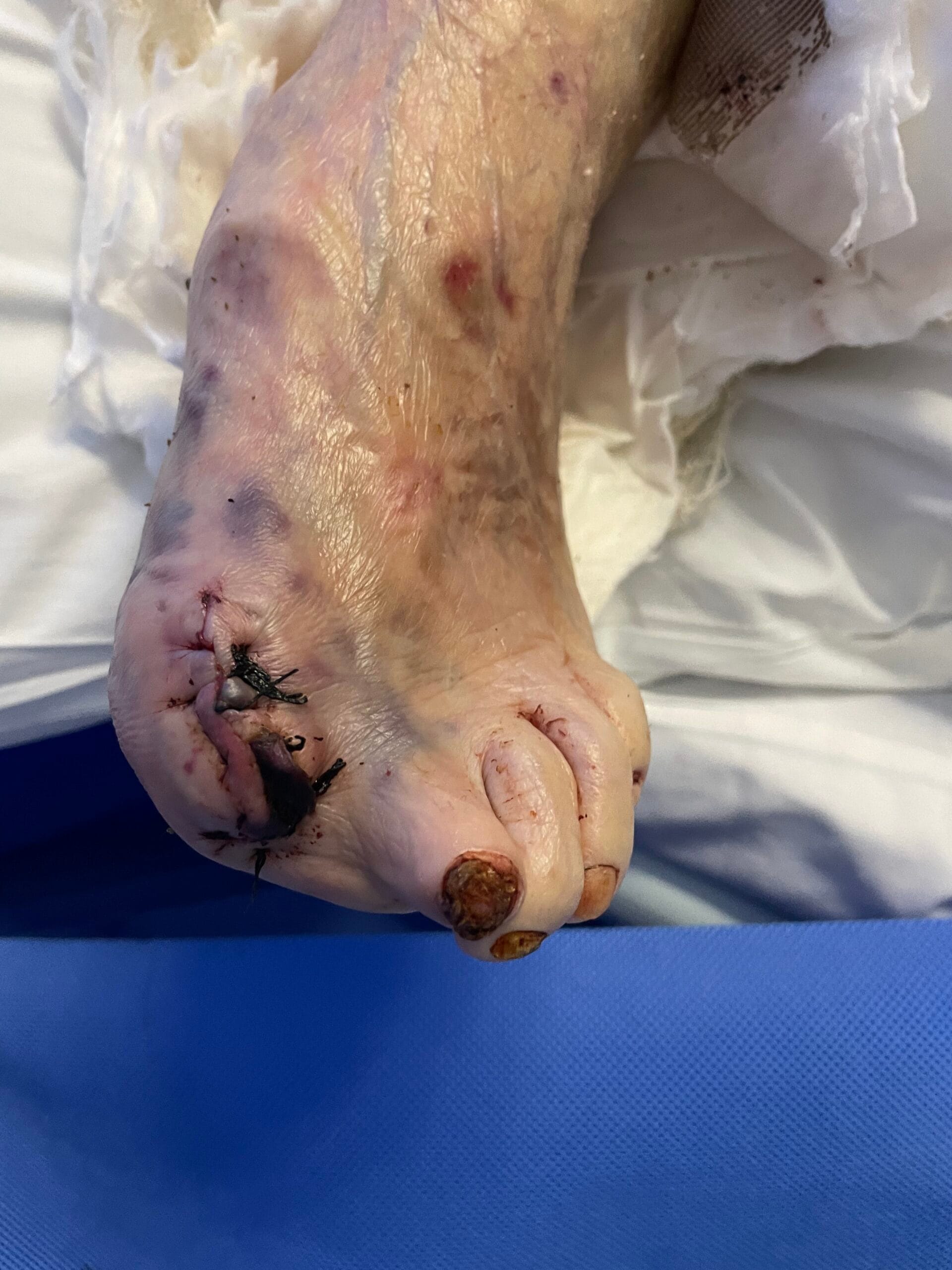
Single toe amputation
Patient had a acutely ischaemic great toe that needed to be amputated due to microvascular disease. The edges of the wound could easily be brought together. To minimise the chances of the wound edges becoming wet necrosis it is dried using betadine.
Swipe
Setup sterile field
Clean the wound
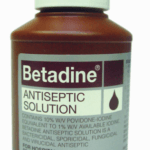
Paint with betadine
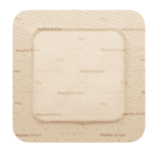
To cover or not to cover