


Associated References
Photo Gallery
Main Article
Aetiology
Venous eczema, also known as stasis dermatitis, is primarily caused by chronic venous insufficiency (CVI), which leads to venous hypertension and subsequent skin changes. The underlying mechanism involves the accumulation of inflammatory mediators due to increased venous pressure, which disrupts normal skin function and promotes eczema development (Tsakok et al., 2013; Martin et al., 2014). Factors such as age, obesity, and a history of venous thromboembolism significantly contribute to the risk of developing CVI, thereby increasing the likelihood of venous eczema (Xu et al., 2016; Lodge et al., 2015). Additionally, genetic predispositions, such as filaggrin mutations, have been implicated in the pathogenesis of eczema, linking it to broader atopic conditions (Silverwood et al., 2018; Strom & Silverberg, 2016).
Prevalence
Recent studies indicate that venous eczema affects a significant portion of the population, particularly among older adults. A cross-sectional study in the UK reported that approximately 5% of adults suffer from venous eczema, with higher prevalence rates observed in individuals over 65 years old (Shi et al., 2021). Furthermore, the prevalence is notably higher in populations with a history of venous disease, suggesting a strong correlation between venous insufficiency and the occurrence of eczema (Lockett et al., 2016). In some urban populations, the prevalence can reach up to 20%, highlighting the public health implications of this condition (Drucker et al., 2016).
Pathophysiological Changes
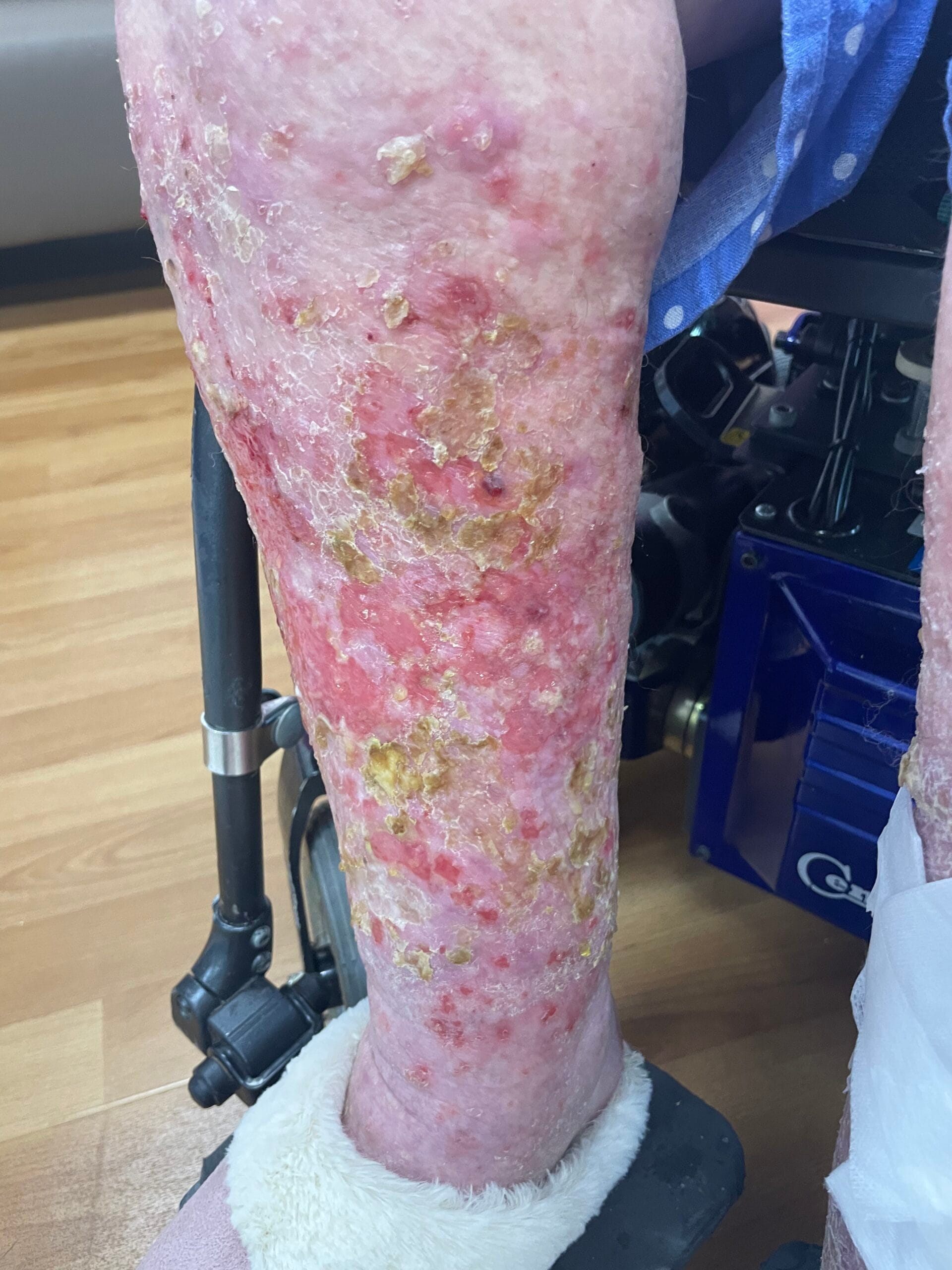
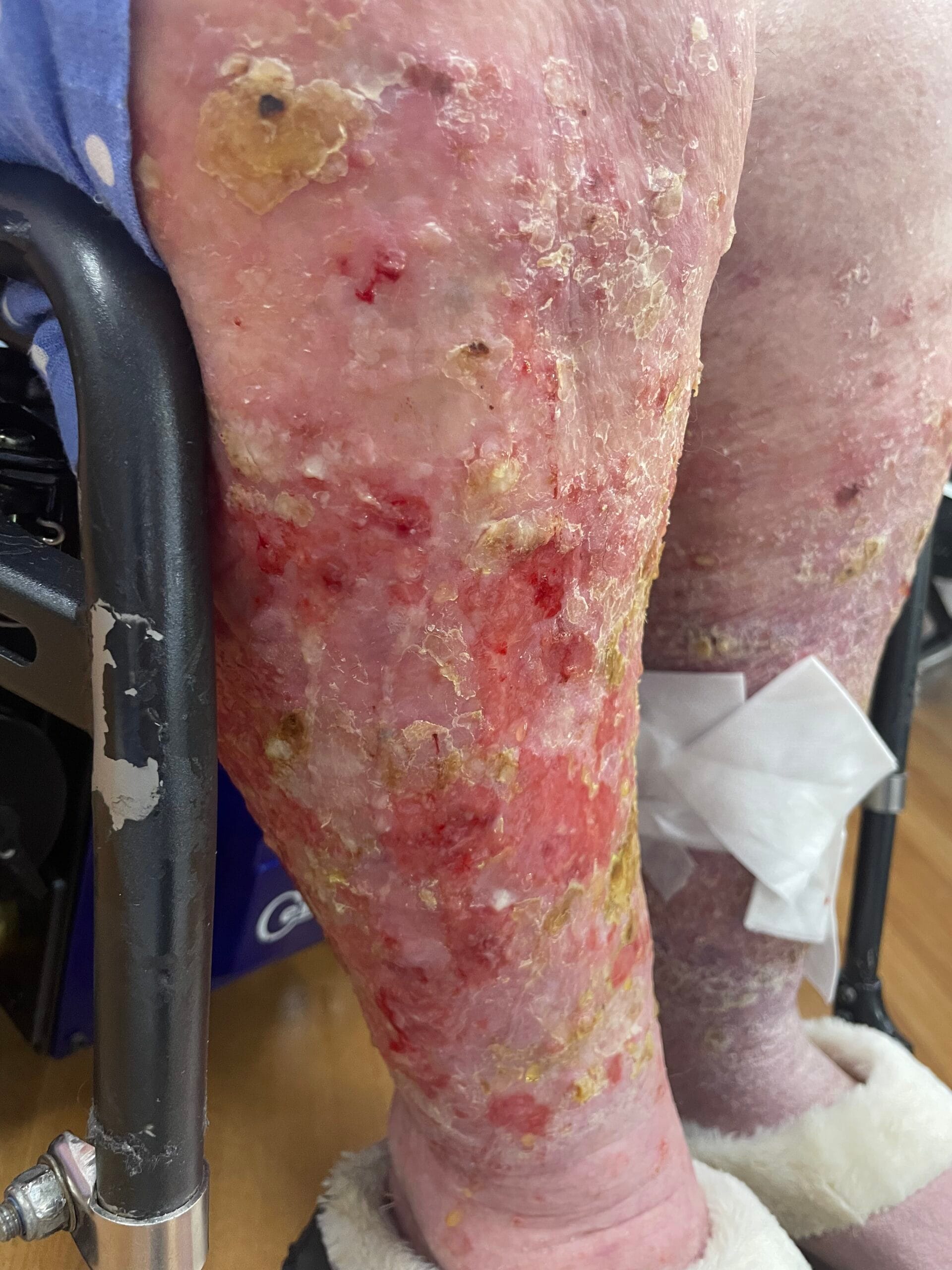
The pathophysiology of venous eczema is characterized by a complex interplay of mechanical and biochemical factors. Chronic venous hypertension leads to increased interstitial fluid pressure, resulting in edema and subsequent skin changes (Barnish et al., 2015). This condition promotes the release of inflammatory cytokines, such as TNF-α and IL-6, which exacerbate skin inflammation and disrupt the epidermal barrier (Peters et al., 2015). Additionally, the accumulation of hemosiderin from red blood cell breakdown contributes to skin discoloration and further inflammatory responses (Silverberg & Simpson, 2013). The resultant skin changes include erythema, scaling, and pruritus, which can significantly impact the quality of life for affected individuals (Gao et al., 2019).
Treatments
Current evidence-based treatment options for venous eczema focus on managing the underlying venous insufficiency and alleviating symptoms. Compression therapy is the cornerstone of treatment, as it helps reduce venous hypertension and improve venous return (Mitchell et al., 2014). Topical corticosteroids are commonly prescribed to manage inflammation and itching, while emollients are recommended to maintain skin hydration (Elbert et al., 2016). In more severe cases, systemic therapies such as oral corticosteroids or immunosuppressants may be considered (Nylund et al., 2013).
Precautions with Treatments
While treating venous eczema, clinicians must be aware of potential adverse effects associated with various therapies. Prolonged use of topical corticosteroids can lead to skin atrophy, striae, and secondary infections. Compression therapy, while effective, may cause discomfort or exacerbate existing skin conditions if not applied correctly. Additionally, systemic treatments carry risks of immunosuppression and other systemic side effects, necessitating careful patient selection and monitoring. It is crucial to educate patients about the importance of adhering to treatment regimens and recognizing signs of complications.
Diagnostic Tests Available
Diagnosis of venous eczema typically involves a thorough clinical assessment, including a detailed history and physical examination. Dermoscopy can aid in differentiating venous eczema from other dermatitis forms. In some cases, skin biopsies may be performed to rule out other conditions, such as contact dermatitis or psoriasis. Furthermore, imaging studies, such as Doppler ultrasound, can assess venous function and identify underlying venous insufficiency. These diagnostic tools are essential for developing an effective management plan tailored to the patient’s needs.
Contributing Factors
Several risk factors contribute to the development of venous eczema, with chronic venous insufficiency being the most significant. Other contributing factors include obesity, sedentary lifestyle, and a history of venous thromboembolism. Additionally, age and gender play a role, as older adults and females are more frequently affected. Environmental factors, such as prolonged standing or sitting, can exacerbate symptoms. Understanding these risk factors is crucial for clinicians in identifying at-risk populations and implementing preventive measures.
Conclusion
In summary, venous eczema is a multifaceted condition primarily driven by chronic venous insufficiency. Its prevalence underscores the need for effective management strategies that address both the symptoms and underlying causes. Clinicians must remain vigilant in recognizing risk factors, employing appropriate diagnostic methods, and providing evidence-based treatments while considering the potential complications associated with these therapies. Ongoing research into the pathophysiological mechanisms and innovative treatment options will further enhance the management of this condition, ultimately improving patient outcomes.
References:
Barnish, M., Tagiyeva, N., Devereux, G., Aucott, L., & Turner, S. (2015). Diverging prevalences and different risk factors for childhood asthma and eczema: a cross-sectional study. BMJ Open, 5(6), e008446. https://doi.org/10.1136/bmjopen-2015-008446
Drucker, A., Li, W., Cho, E., Li, T., Sun, Q., Camargo, C., … & Qureshi, A. (2016). Atopic dermatitis is not independently associated with nonfatal myocardial infarction or stroke among us women. Allergy, 71(10), 1496-1500. https://doi.org/10.1111/all.12957
Elbert, N., Duijts, L., Dekker, H., Jaddoe, V., Voort, A., Jongste, J., … & Pasmans, S. (2016). Role of environmental exposures and filaggrin mutations on associations of ethnic origin with risk of childhood eczema. the generation r study. Pediatric Allergy and Immunology, 27(6), 627-635. https://doi.org/10.1111/pai.12579
Gao, X., Yan, Y., Zeng, G., Liu, S., He, Q., Chen, C., … & Yan, Q. (2019). Influence of prenatal and early-life exposures on food allergy and eczema in infancy: a birth cohort study. BMC Pediatrics, 19(1). https://doi.org/10.1186/s12887-019-1623-3
Lockett, G., Soto‐Ramírez, N., Ray, M., Everson, T., Xu, C., Patil, V., … & Holloway, J. (2016). Association of season of birth with dna methylation and allergic disease. Allergy, 71(9), 1314-1324. https://doi.org/10.1111/all.12882
Lodge, C., Tan, D., Lau, M., Dai, X., Tham, R., Lowe, A., … & Dharmage, S. (2015). Breastfeeding and asthma and allergies: a systematic review and meta‐analysis. Acta Paediatrica, 104(S467), 38-53. https://doi.org/10.1111/apa.13132
Martin, P., Eckert, J., Koplin, J., Lowe, A., Gurrin, L., Dharmage, S., … & Allen, K. (2014). Which infants with eczema are at risk of food allergy? results from a population‐based cohort. Clinical & Experimental Allergy, 45(1), 255-264. https://doi.org/10.1111/cea.12406
Mitchell, E., Clayton, T., García‐Marcos, L., Pearce, N., Foliaki, S., & Wong, G. (2014). Birthweight and the risk of atopic diseases: the isaac phase iii study. Pediatric Allergy and Immunology, 25(3), 264-270. https://doi.org/10.1111/pai.12210
Nylund, L., Satokari, R., Nikkilä, J., Rajilić‐Stojanović, M., Kalliomäki, M., Isolauri, E., … & Vos, W. (2013). Microarray analysis reveals marked intestinal microbiota aberrancy in infants having eczema compared to healthy children in at-risk for atopic disease. BMC Microbiology, 13(1), 12. https://doi.org/10.1186/1471-2180-13-12
Peters, R., Allen, K., Dharmage, S., Lodge, C., Koplin, J., Ponsonby, A., … & Gurrin, L. (2015). Differential factors associated with challenge‐proven food allergy phenotypes in a population cohort of infants: a latent class analysis. Clinical & Experimental Allergy, 45(5), 953-963. https://doi.org/10.1111/cea.12478
Shi, H., Wan, G., Wang, T., Zhu, J., Jiang, L., Ma, S., … & Dong, H. (2021). Prevalence and influencing risk factors of eczema among preschool children in urumqi city: a cross-sectional survey. BMC Pediatrics, 21(1). https://doi.org/10.1186/s12887-021-02819-5
Silverberg, J. and Simpson, E. (2013). Association between severe eczema in children and multiple comorbid conditions and increased healthcare utilization. Pediatric Allergy and Immunology, 24(5), 476-486. https://doi.org/10.1111/pai.12095
Silverwood, R., Forbes, H., Abuabara, K., Ascott, A., Schmidt, M., Schmidt, S., … & Langan, S. (2018). Severe and predominantly active atopic eczema in adulthood and long term risk of cardiovascular disease: population based cohort study. BMJ, k1786. https://doi.org/10.1136/bmj.k1786
Strom, M. and Silverberg, J. (2016). Eczema is associated with childhood speech disorder: a retrospective analysis from the national survey of children’s health and the national health interview survey. The Journal of Pediatrics, 168, 185-192.e4. https://doi.org/10.1016/j.jpeds.2015.09.066
Tsakok, T., McKeever, T., Yeo, L., & Flohr, C. (2013). Does early life exposure to antibiotics increase the risk of eczema? a systematic review. British Journal of Dermatology, 169(5), 983-991. https://doi.org/10.1111/bjd.12476
Xu, H., Radabaugh, T., Lu, Z., Galligan, M., Billheimer, D., Vercelli, D., … & Lau, S. (2016). Exploration of early‐life candidate biomarkers for childhood asthma using antibody arrays. Pediatric Allergy and Immunology, 27(7), 696-701. https://doi.org/10.1111/pai.12613