


Associated References
Photo Gallery
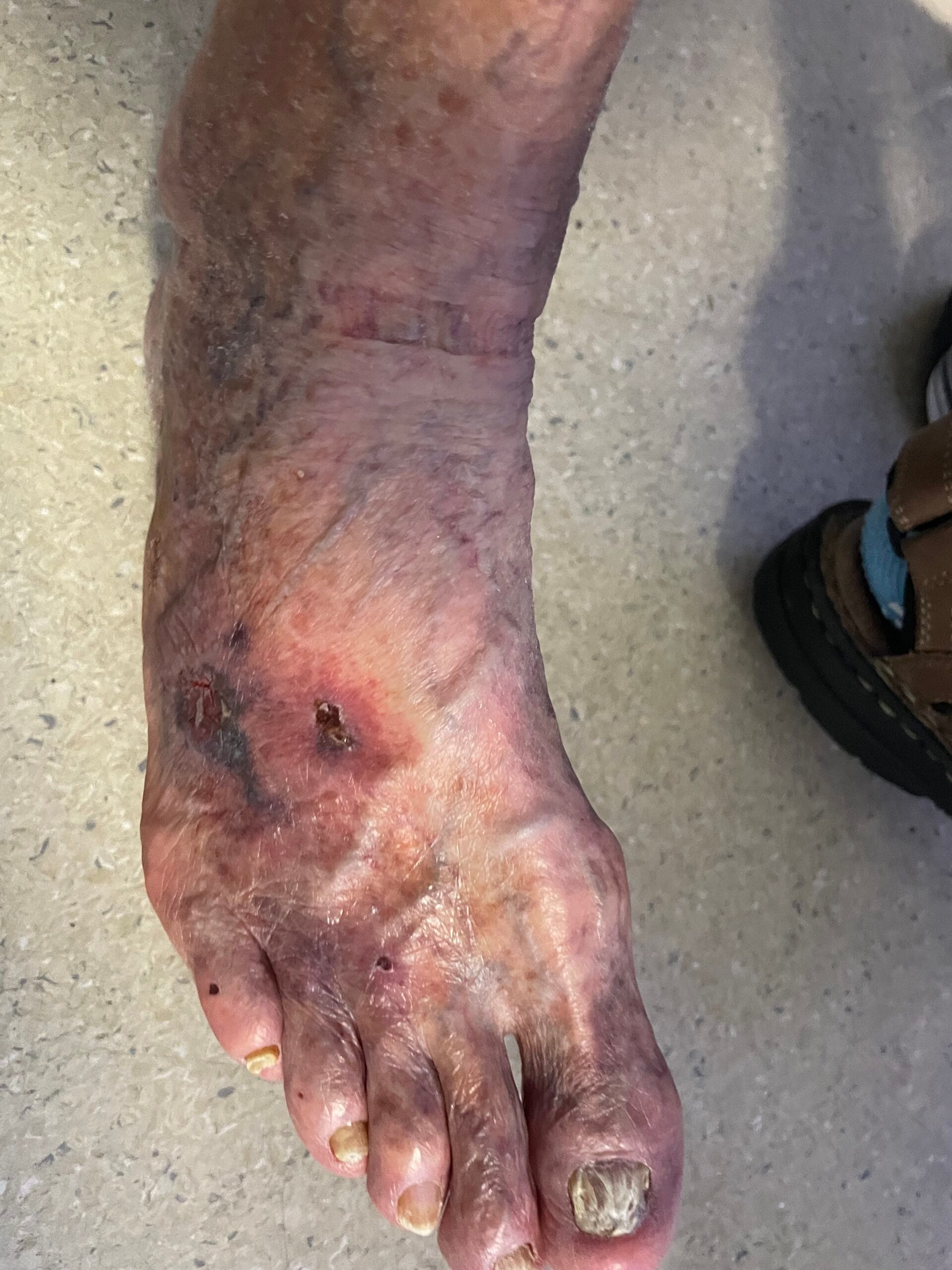
Main Article
Aetiology of Skin Tears
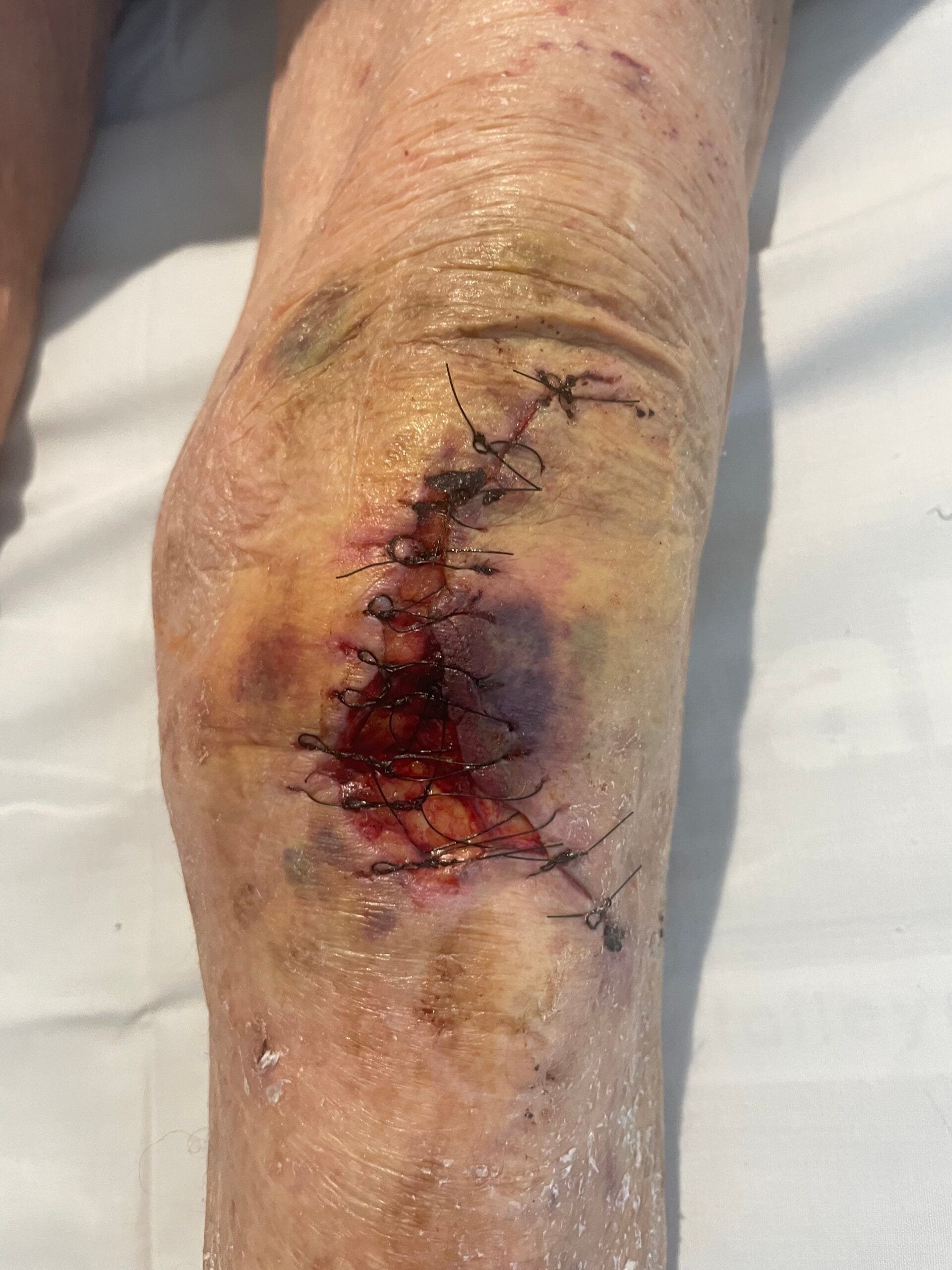
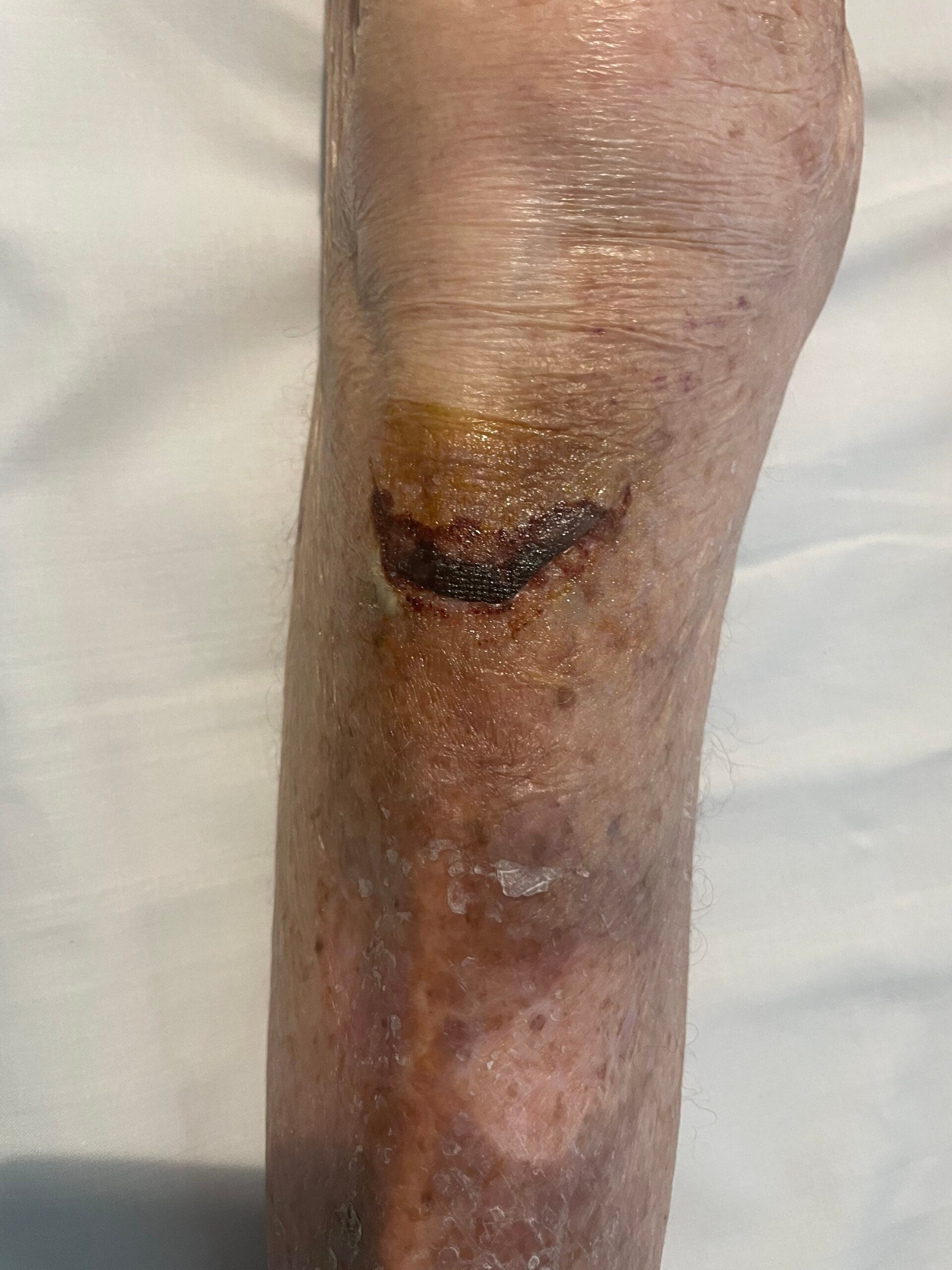
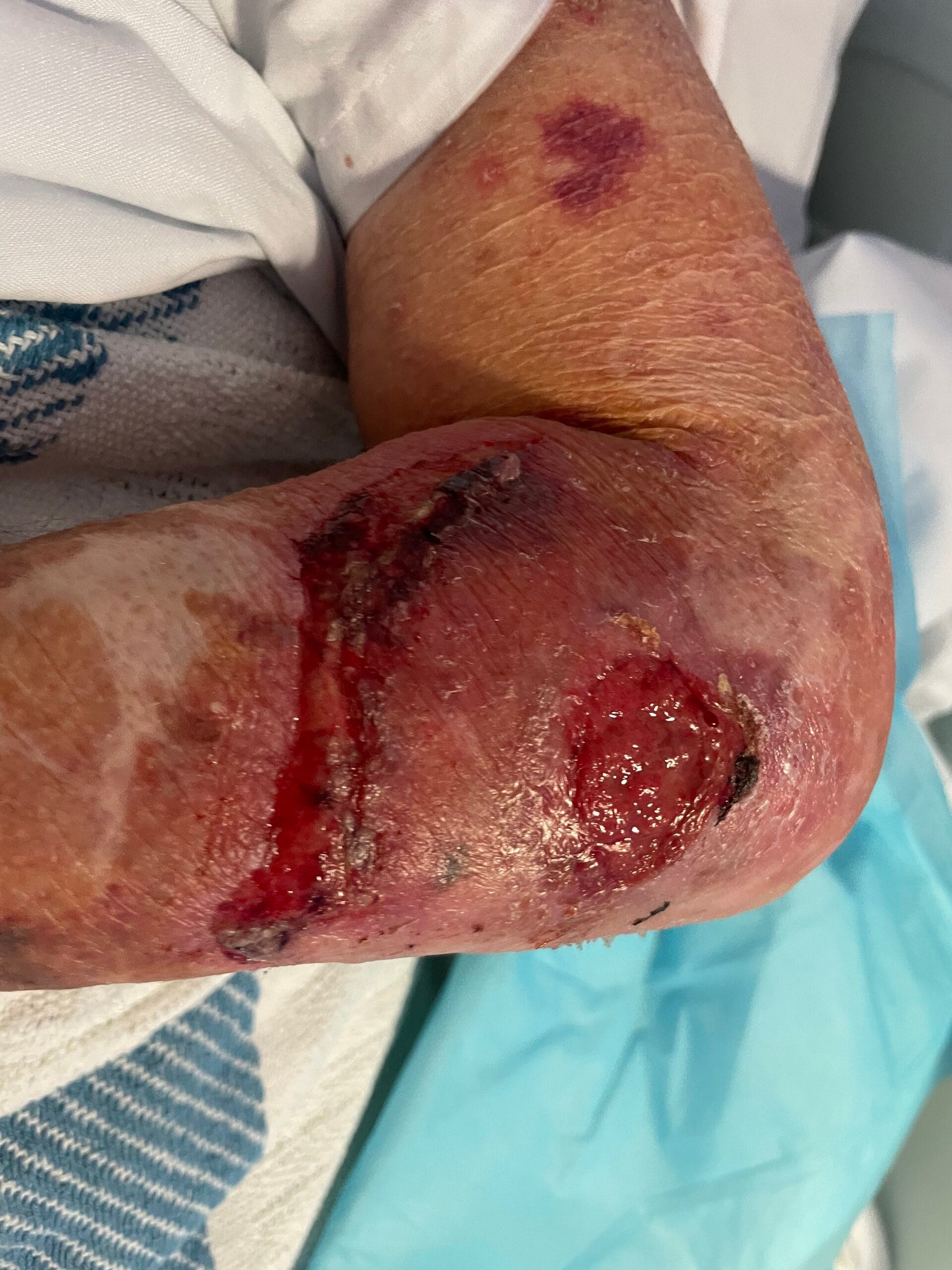
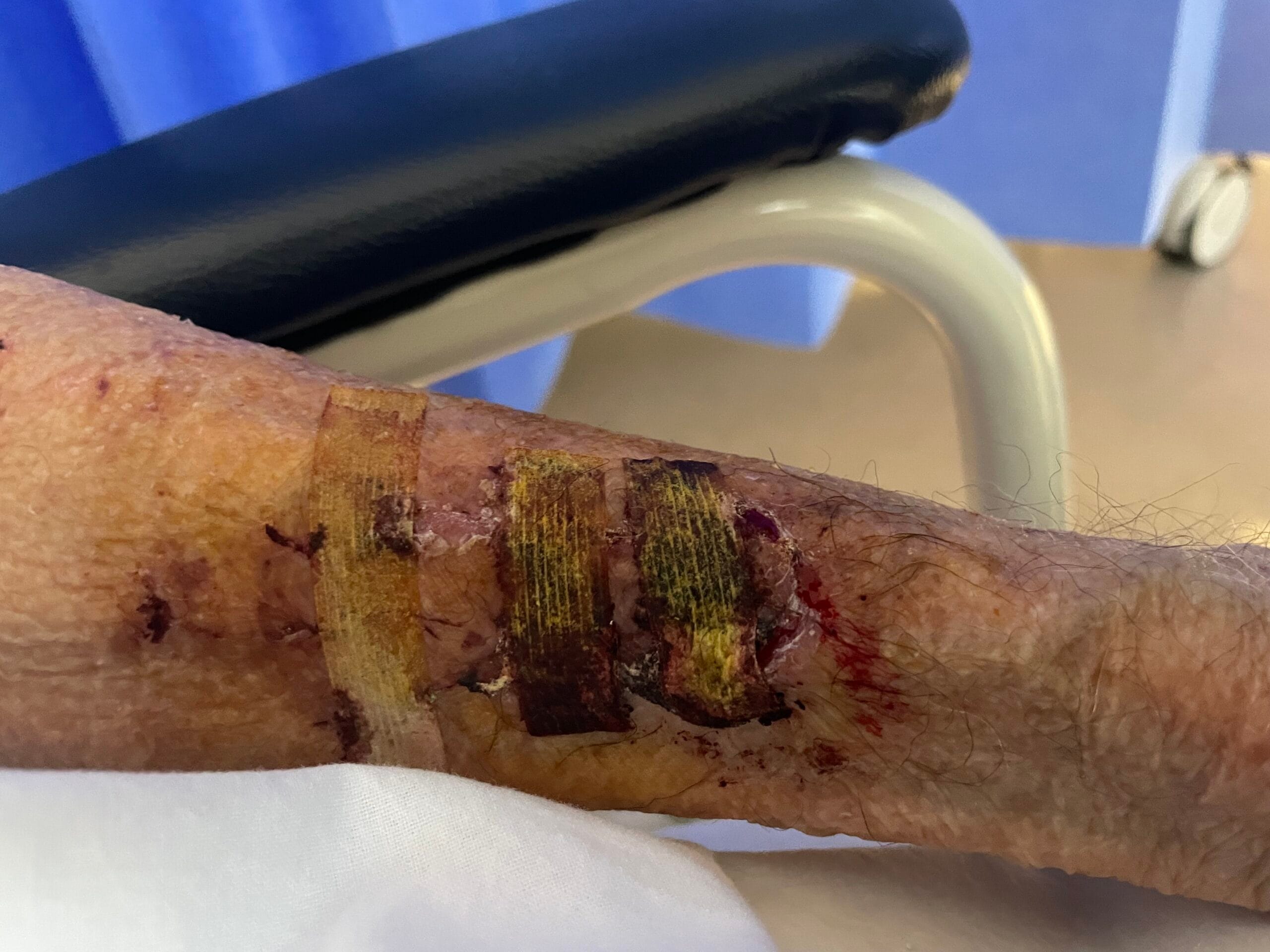
Skin tears are primarily caused by mechanical forces that disrupt the skin’s integrity, particularly in vulnerable populations such as the elderly. The aetiology of skin tears can be attributed to a combination of intrinsic and extrinsic factors. Intrinsic factors include age-related changes in skin structure, such as thinning of the epidermis and loss of dermal elasticity, which are exacerbated by conditions like senile purpura and chronic diseases that affect skin integrity (Serra et al., 2017; Lewin et al., 2015). Extrinsic factors often involve environmental influences and mechanical forces, such as friction from bed linens, improper handling during care, or the removal of adhesive dressings (Serra et al., 2017; Rayner et al., 2018). The International Skin Tear Advisory Panel (ISTAP) has classified skin tears into three types based on the extent of skin loss, which aids in understanding their aetiology and guiding treatment (Källman et al., 2018).
Prevalence of Skin Tears
Recent studies indicate that skin tears are a significant concern in healthcare settings, particularly among older adults. For instance, a study conducted in an Australian acute care hospital found that the prevalence of skin tears has been consistently high, with documentation practices influencing reported rates (Miles et al., 2021). In Denmark, a study highlighted that skin tears were prevalent among hospitalized patients, with specific risk factors identified, such as previous skin tears and decreased mobility (Bermark et al., 2018). The prevalence of skin tears tends to increase with age, with a notable rise in incidence among individuals aged 85 and older, underscoring the need for targeted prevention strategies in geriatric care (Chang et al., 2016; Koyano et al., 2014).
Pathophysiological Changes
The pathophysiological changes associated with skin tears involve a complex interplay of skin structure degradation and mechanical stress. As individuals age, the skin undergoes significant changes, including decreased collagen production and alterations in the extracellular matrix, leading to reduced tensile strength and elasticity (Rayner et al., 2018). These changes make the skin more susceptible to injury from minor trauma. Additionally, factors such as chronic inflammation and impaired wound healing processes can exacerbate the risk of skin tears (Chai et al., 2019). The presence of conditions like diabetes or vascular diseases can further compromise skin integrity, making it essential for clinicians to understand these underlying mechanisms when assessing patients at risk for skin tears (Serra et al., 2017; Rayner et al., 2018).
Treatments for Skin Tears
Evidence-based treatment options for skin tears focus on promoting healing and preventing infection. Current guidelines recommend the use of appropriate dressings that maintain a moist wound environment, which is crucial for optimal healing (Ott, 2024; Chou, 2023). Hydrocolloid and foam dressings are commonly used due to their ability to absorb exudate while protecting the wound from external contaminants (Ott, 2024; Chou, 2023). In cases where skin tears are extensive, surgical intervention may be necessary to repair the damaged tissue. Additionally, the application of autologous platelet-rich plasma has shown promise in enhancing wound healing by promoting angiogenesis and collagen synthesis (Chai et al., 2019). It is vital for clinicians to stay updated on the latest evidence-based practices to ensure effective management of skin tears.
Precautions with Treatments
While treating skin tears, clinicians must be aware of specific precautions and contraindications associated with various treatment modalities. For instance, the use of certain topical agents may cause irritation or allergic reactions in sensitive individuals, particularly the elderly (Ott, 2024; Chou, 2023). Moreover, inappropriate dressing changes can lead to further skin damage or infection, emphasizing the need for gentle handling and proper technique (Serra et al., 2017; Ott, 2024). Clinicians should also consider the patient’s overall health status and any comorbidities that may affect healing, such as diabetes or vascular insufficiency, which could necessitate modifications in treatment approaches (Serra et al., 2017; Rayner et al., 2018; Chou, 2023). Educating patients and caregivers about the importance of skin care and recognizing early signs of skin tears is crucial in preventing complications.
Diagnostic Tests Available
The diagnosis of skin tears primarily relies on clinical assessment, supported by standardized classification systems such as the ISTAP classification (Källman et al., 2018). While there are no specific laboratory tests for diagnosing skin tears, clinicians may utilize diagnostic tools to evaluate the overall skin condition and identify underlying risk factors. For example, assessments of skin turgor, elasticity, and the presence of ecchymosis can provide valuable insights into a patient’s risk profile (Lewin et al., 2015; Hahnel et al., 2017). Additionally, tools such as the Braden Scale can help predict the likelihood of skin tears based on various risk factors, including mobility and moisture levels (Bermark et al., 2018). Accurate documentation and assessment are critical for developing effective prevention and treatment strategies.
Contributing Factors
Several modifiable and non-modifiable factors contribute to the risk of developing skin tears. Non-modifiable factors include age, gender, and genetic predisposition, with older adults being at higher risk due to natural skin aging processes (Serra et al., 2017; Rayner et al., 2018; Lewin et al., 2015). Modifiable factors encompass lifestyle choices and healthcare practices, such as hydration, nutrition, and the use of appropriate skin care products (Serra et al., 2017; Rayner et al., 2018). For instance, maintaining skin hydration and using emollients can significantly reduce the risk of skin tears in at-risk populations (Hahnel et al., 2017; Tiggelen et al., 2020). Furthermore, training healthcare staff in proper handling techniques and implementing risk assessment tools can help mitigate the incidence of skin tears in clinical settings (Serra et al., 2017; Rayner et al., 2018; Newall et al., 2015).
Conclusion
In summary, skin tears represent a significant clinical challenge, particularly among vulnerable populations such as the elderly. Understanding the aetiology, prevalence, pathophysiological changes, and evidence-based treatment options is essential for healthcare professionals. By recognizing the contributing factors and implementing appropriate precautions, clinicians can enhance patient outcomes and reduce the incidence of skin tears in clinical practice.
References:
- Bermark, S., Wahlers, B., Gerber, A., Philipsen, P., & Skiveren, J. (2018). Prevalence of skin tears in the extremities in inpatients at a hospital in denmark. International Wound Journal, 15(2), 212-217. https://doi.org/10.1111/iwj.12847
- Chai, J., Ge, J., & Zou, J. (2019). Effect of autologous platelet-rich plasma gel on skin flap survival. Medical Science Monitor, 25, 1611-1620. https://doi.org/10.12659/msm.913115
- Chang, Y., Carville, K., & Tay, A. (2016). The prevalence of skin tears in the acute care setting in singapore. International Wound Journal, 13(5), 977-983. https://doi.org/10.1111/iwj.12572
- Chou, S. (2023). Multi-disciplinary management of type 1 and 2 skin tears using a silver-based hydrofiber dressing. Medicine, 102(37), e35112. https://doi.org/10.1097/md.0000000000035112
- Hahnel, E., Blume-Peytavi, U., Trojahn, C., & Kottner, J. (2017). Associations between skin barrier characteristics, skin conditions and health of aged nursing home residents: a multi-center prevalence and correlational study. BMC Geriatrics, 17(1). https://doi.org/10.1186/s12877-017-0655-5
- Koyano, Y., Nakagami, G., Iizaka, S., Minematsu, T., Noguchi, H., Tamai, N., … & Sanada, H. (2014). Exploring the prevalence of skin tears and skin properties related to skin tears in elderly patients at a long‐term medical facility in japan. International Wound Journal, 13(2), 189-197. https://doi.org/10.1111/iwj.12251
- Källman, U., Kimberly, L., & Bååth, C. (2018). Swedish translation and validation of the international skin tear advisory panel skin tear classification system. International Wound Journal, 16(1), 13-18. https://doi.org/10.1111/iwj.12975
- Lewin, G., Newall, N., Alan, J., Carville, K., Santamaria, N., & Roberts, P. (2015). Identification of risk factors associated with the development of skin tears in hospitalised older persons: a case–control study. International Wound Journal, 13(6), 1246-1251. https://doi.org/10.1111/iwj.12490
- Miles, S., Fulbrook, P., & Williams, D. (2021). Skin tear prevalence in an australian acute care hospital: a 10‐year analysis. International Wound Journal, 19(6), 1418-1427. https://doi.org/10.1111/iwj.13735
- Newall, N., Lewin, G., Bulsara, M., Carville, K., Leslie, G., & Roberts, P. (2015). The development and testing of a skin tear risk assessment tool. International Wound Journal, 14(1), 97-103. https://doi.org/10.1111/iwj.12561
- Ott, C. (2024). Skin tear management: a multidisciplinary education project. Advances in Skin & Wound Care, 37(1), 48-55. https://doi.org/10.1097/asw.0000000000000078
- Rayner, R., Carville, K., Leslie, G., & Dhaliwal, S. (2018). A risk model for the prediction of skin tears in aged care residents: a prospective cohort study. International Wound Journal, 16(1), 52-63. https://doi.org/10.1111/iwj.12985
- Serra, R., Ielapi, N., Barbetta, A., & Franciscis, S. (2017). Skin tears and risk factors assessment: a systematic review on evidence‐based medicine. International Wound Journal, 15(1), 38-42. https://doi.org/10.1111/iwj.12815
- Tiggelen, H., Alves, P., Ayello, E., Bååth, C., Baranoski, S., Campbell, K., … & Beeckman, D. (2020). Development and psychometric property testing of a skin tear knowledge assessment instrument (oases) in 37 countries. Journal of Advanced Nursing, 77(3), 1609-1623. https://doi.org/10.1111/jan.14713