


Associated References
Photo Gallery
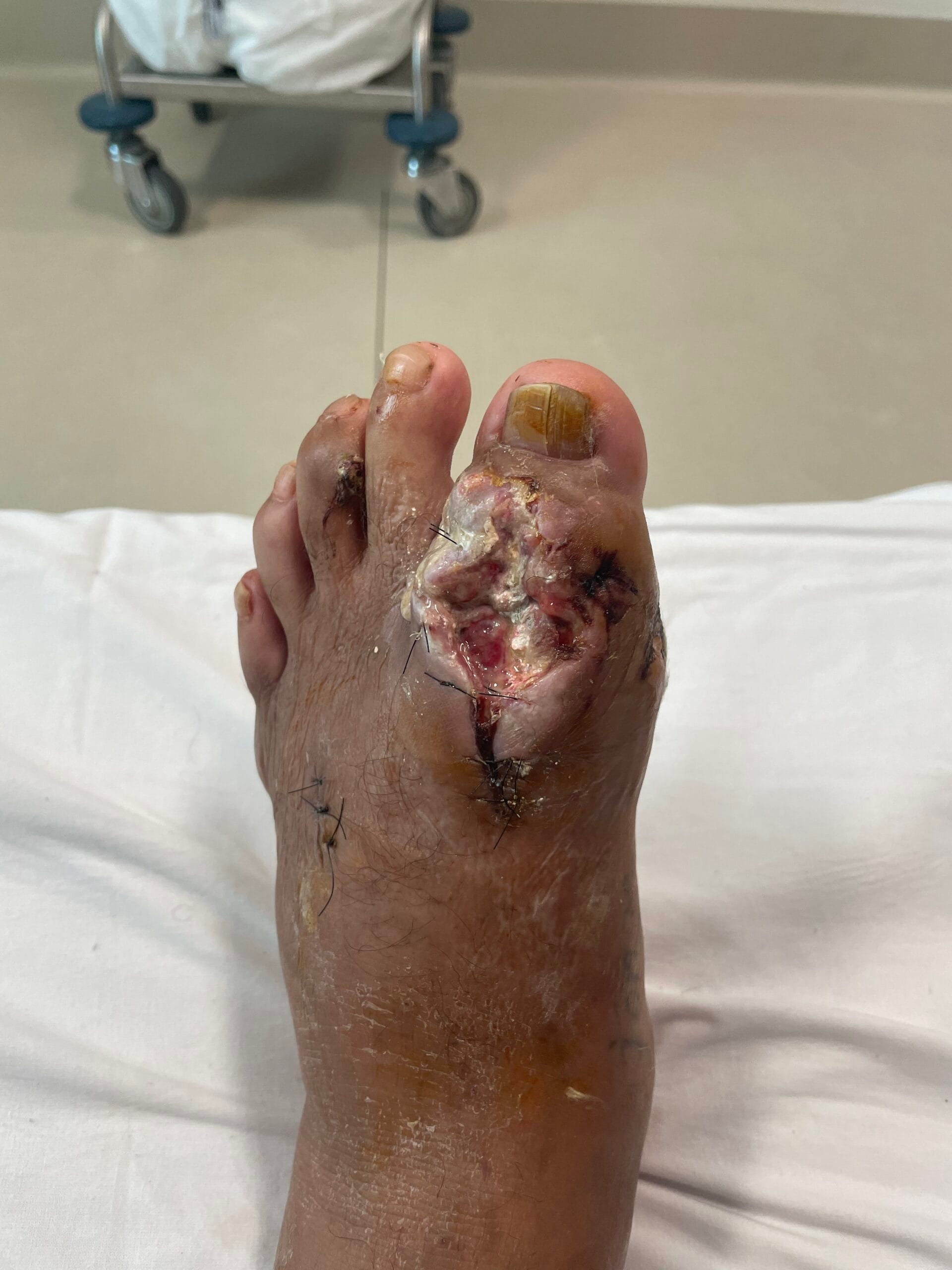

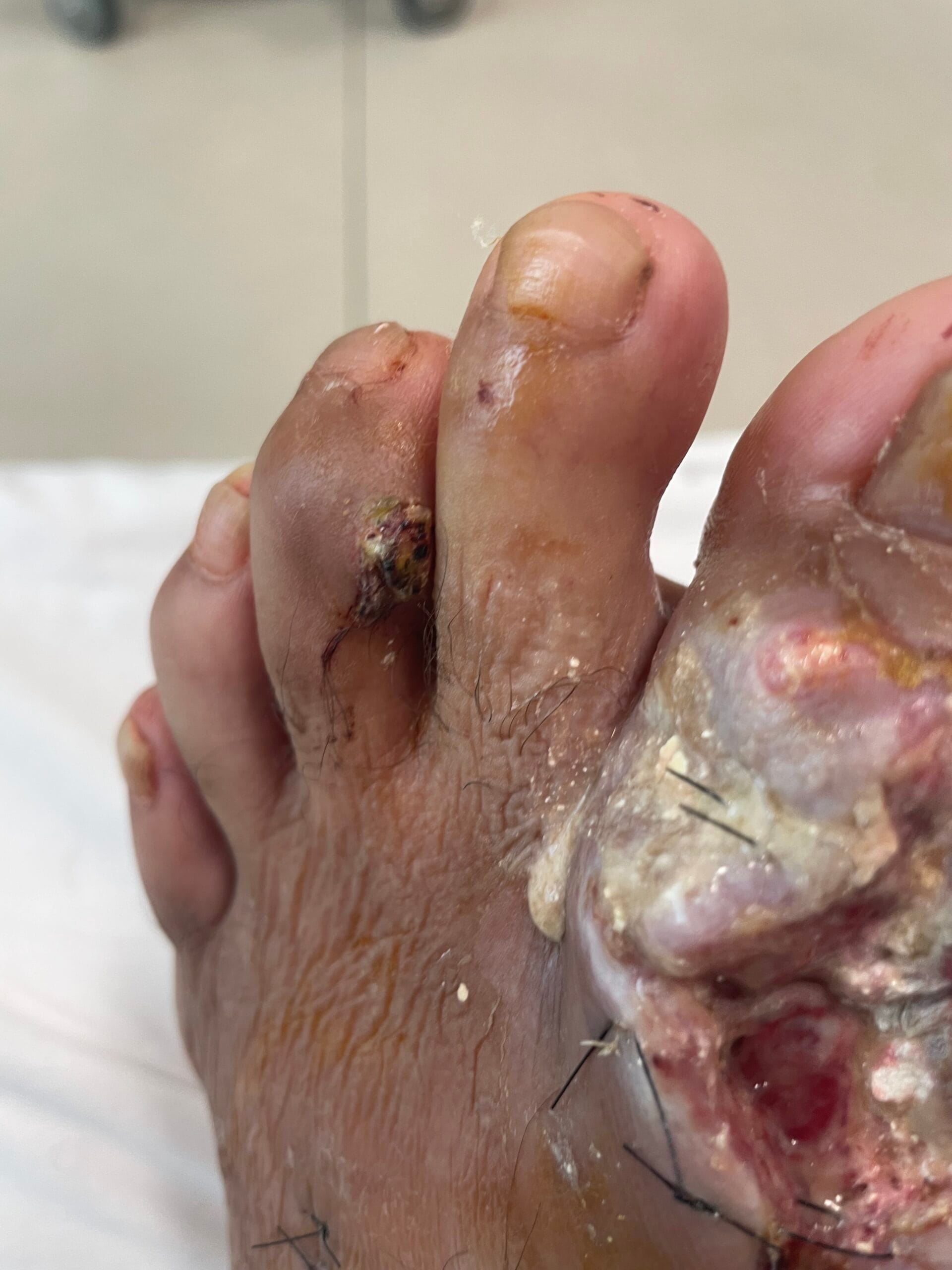
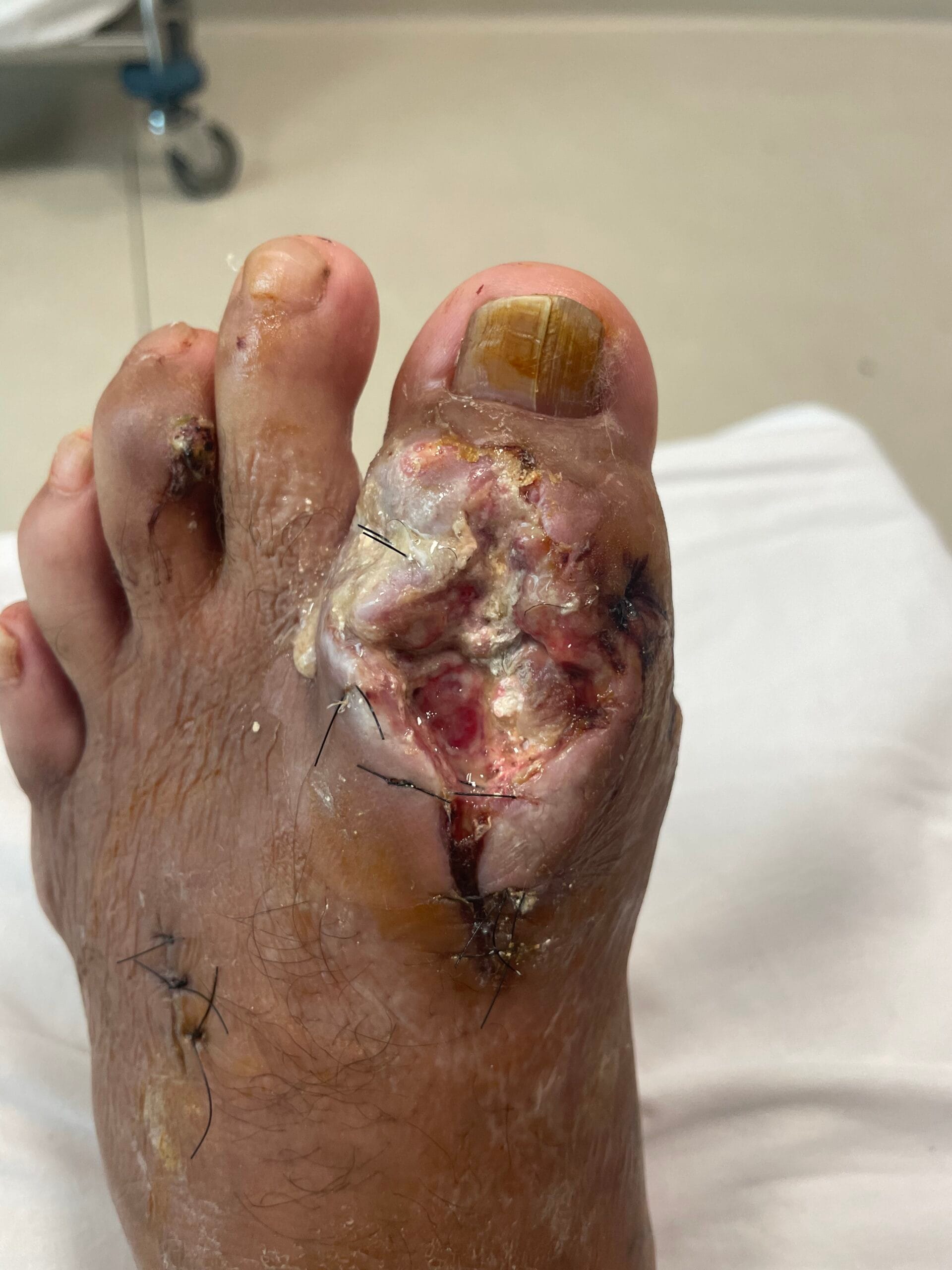



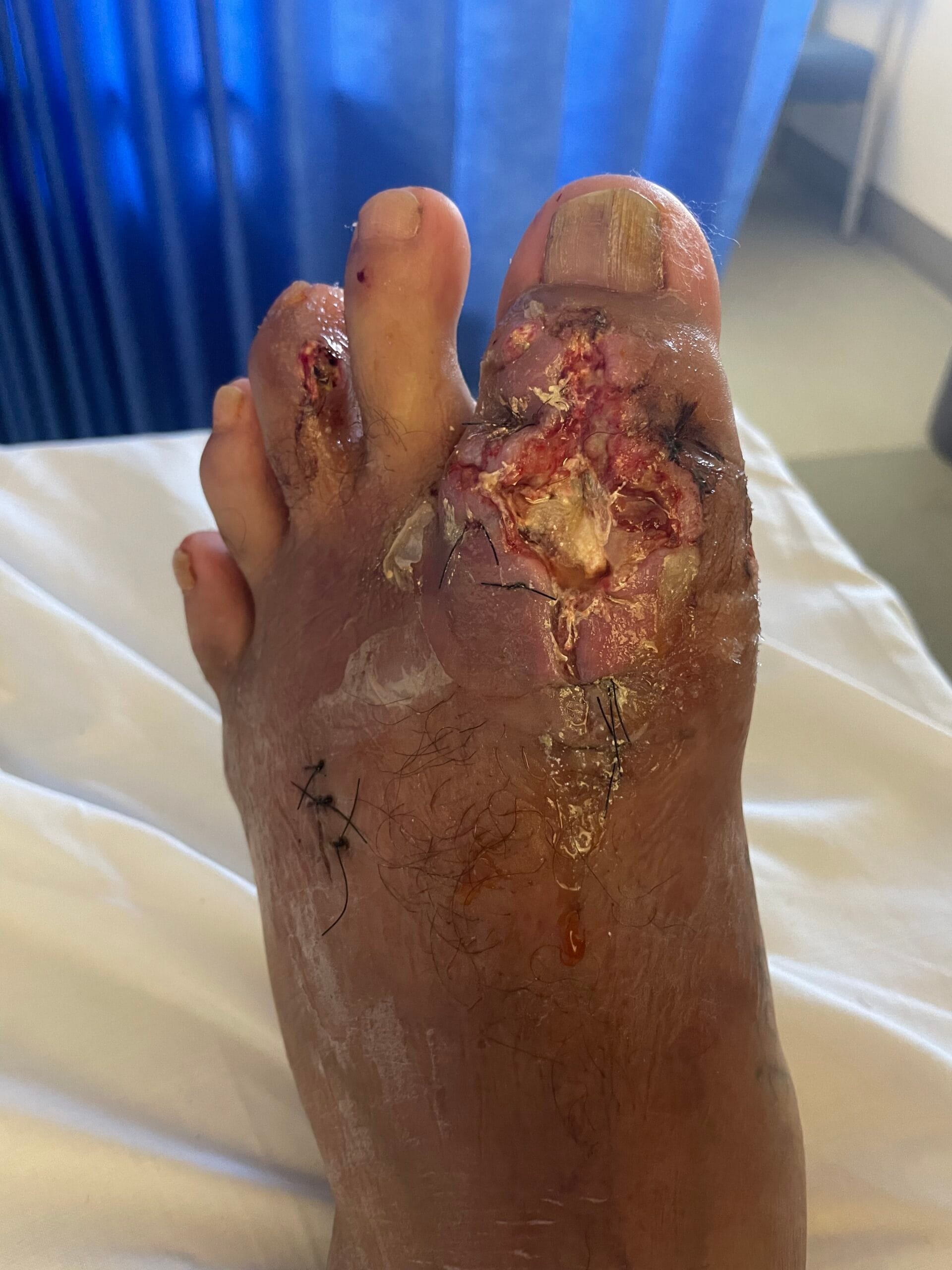

Main Article
Aetiology
Rheumatoid arthritis (RA) is a complex autoimmune disease characterized by chronic inflammation of the joints and surrounding tissues. The aetiology of RA involves a multifactorial interplay of genetic, immunological, and environmental factors. Genetic predisposition plays a significant role, with specific human leukocyte antigen (HLA) alleles, particularly HLA-DRB1, being strongly associated with increased susceptibility to RA (Firestein & McInnes, 2017). Additionally, the presence of autoantibodies such as rheumatoid factor (RF) and anti-citrullinated protein antibodies (ACPA) is indicative of the disease and can precede clinical symptoms by several years (Derksen et al., 2017). Environmental factors, including smoking and exposure to certain pathogens, have also been implicated in the onset of RA, suggesting that these factors may trigger the disease in genetically predisposed individuals (Firestein & McInnes, 2017; Prieto-Pérez et al., 2013).
Immunologically, RA is characterized by an aberrant immune response leading to synovial inflammation and joint destruction. The activation of T cells and the subsequent production of pro-inflammatory cytokines such as tumor necrosis factor-alpha (TNF-α) and interleukin-6 (IL-6) are central to the pathogenesis of RA (Firestein & McInnes, 2017; Derksen et al., 2017). Furthermore, oxidative stress has been identified as a contributing factor, with reactive oxygen species (ROS) playing a role in the inflammatory process and joint damage (Fonseca et al., 2019; Quiñonez-Flores et al., 2016). The interplay of these factors creates a chronic inflammatory environment that perpetuates the disease.
Prevalence
The prevalence of rheumatoid arthritis varies globally, with estimates suggesting that approximately 0.5% to 1% of the adult population is affected (Wang et al., 2020). Recent studies indicate that the incidence of RA is increasing, particularly among women, who are affected at a rate three times higher than men (Herren, 2018). A longitudinal study conducted in a national sample cohort revealed that the prevalence of RA is significantly associated with various comorbidities, including cardiovascular diseases and diabetes, which complicate disease management and outcomes (Kim et al., 2019; Schau et al., 2015). Moreover, the disease often manifests in middle adulthood, with peak onset typically occurring between the ages of 30 and 60 (Herren, 2018).
The impact of RA extends beyond joint symptoms, as it is associated with increased morbidity and mortality rates. A meta-analysis has shown that patients with RA have a higher standardized mortality rate compared to the general population, primarily due to cardiovascular complications and infections (Agca et al., 2016). This highlights the need for comprehensive management strategies that address both the rheumatological and systemic aspects of the disease.
Pathophysiological Changes
The pathophysiology of rheumatoid arthritis is characterized by a complex interplay of immune dysregulation, synovial inflammation, and joint destruction. The disease begins with the infiltration of immune cells, including T cells and macrophages, into the synovial membrane, leading to synovitis (Firestein & McInnes, 2017). This inflammatory response is driven by the production of pro-inflammatory cytokines, which perpetuate the cycle of inflammation and joint damage (Ridgley et al., 2018). The presence of autoantibodies, particularly RF and ACPA, is a hallmark of RA and contributes to the pathophysiological processes by promoting inflammation and joint erosion (Derksen et al., 2017).
Oxidative stress plays a critical role in the pathogenesis of RA, as it contributes to the formation of autoantigens and the perpetuation of inflammatory responses (Fonseca et al., 2019; Quiñonez-Flores et al., 2016). The accumulation of ROS in the synovial fluid leads to cellular damage and further inflammation, exacerbating the disease process (Quiñonez-Flores et al., 2016). Additionally, the chronic inflammation associated with RA can result in systemic complications, including cardiovascular disease and interstitial lung disease, underscoring the importance of early diagnosis and intervention (Diamanti et al., 2016; Hansildaar et al., 2021).
Treatments
Current treatment strategies for rheumatoid arthritis focus on controlling inflammation, preventing joint damage, and improving quality of life. Pharmacological therapies include disease-modifying antirheumatic drugs (DMARDs), such as methotrexate, which is considered the first-line treatment for RA (Hua et al., 2014; Law & Taylor, 2019). Biologic agents targeting specific pathways in the inflammatory process, such as TNF inhibitors and interleukin-6 inhibitors, have revolutionized the management of RA, providing significant improvements in disease control and patient outcomes (Law & Taylor, 2019; Park et al., 2018).
In addition to pharmacological interventions, lifestyle modifications play a crucial role in managing RA. Regular physical activity, weight management, and dietary changes can help reduce inflammation and improve overall health (Law & Taylor, 2019). Surgical interventions, such as joint replacement or synovectomy, may be necessary in cases of severe joint damage or when conservative treatments fail to provide relief (Pedersen et al., 2014). The integration of multidisciplinary approaches, including physical therapy and occupational therapy, is essential for optimizing patient care and enhancing functional outcomes.
Precautions with Treatments
While pharmacological treatments for rheumatoid arthritis are effective, they are not without risks. DMARDs and biologics can lead to immunosuppression, increasing the risk of infections, particularly in patients receiving corticosteroids or other immunosuppressive therapies (Hua et al., 2014; Park et al., 2018). Regular monitoring for adverse effects, including liver function tests and complete blood counts, is essential to ensure patient safety and treatment efficacy (Hua et al., 2014). Additionally, patients should be educated about the signs of infection and the importance of vaccinations, as they are at a higher risk for vaccine-preventable diseases (Hua et al., 2014; Park et al., 2018).
Specific contraindications must also be considered when prescribing treatments for RA. For instance, patients with a history of certain infections or malignancies may not be suitable candidates for biologic therapies (Hua et al., 2014). Furthermore, the potential for drug interactions necessitates careful medication management, particularly in patients with comorbid conditions (Hua et al., 2014; Hansildaar et al., 2021). Clinicians should adopt a personalized approach to treatment, considering individual patient factors and preferences to optimize therapeutic outcomes.
Diagnostic Tests Available
The diagnosis of rheumatoid arthritis is based on a combination of clinical evaluation, laboratory tests, and imaging studies. The American College of Rheumatology (ACR) and European League Against Rheumatism (EULAR) have established criteria for the classification of RA, which include the presence of joint involvement, serological markers (RF and ACPA), acute phase reactants (C-reactive protein and erythrocyte sedimentation rate), and symptom duration (Firestein & McInnes, 2017). Laboratory tests play a critical role in confirming the diagnosis and monitoring disease activity.
Imaging modalities, such as X-rays and ultrasound, are utilized to assess joint damage and inflammation. X-rays can reveal characteristic changes associated with RA, including joint erosions and bone loss (Firestein & McInnes, 2017). Ultrasound is increasingly used in clinical practice to detect synovitis and guide treatment decisions (Firestein & McInnes, 2017). Magnetic resonance imaging (MRI) may also be employed in complex cases to evaluate soft tissue involvement and early joint changes (Firestein & McInnes, 2017). A comprehensive diagnostic approach is essential for accurate diagnosis and effective management of RA.
Contributing Factors
Rheumatoid arthritis is influenced by a variety of modifiable and non-modifiable factors. Non-modifiable factors include genetic predisposition, age, and sex, with women being disproportionately affected (Herren, 2018). Modifiable factors, such as smoking, obesity, and physical inactivity, can exacerbate disease progression and impact treatment outcomes (Kim et al., 2019; Hansildaar et al., 2021). The presence of comorbidities, including cardiovascular disease, diabetes, and depression, further complicates the management of RA and can lead to poorer health outcomes (Kim et al., 2019; Schau et al., 2015).
Understanding these contributing factors is crucial for healthcare professionals in developing personalized treatment plans and preventive strategies. For instance, addressing lifestyle factors such as smoking cessation and weight management can significantly improve disease control and reduce the risk of comorbidities (Kim et al., 2019; Hansildaar et al., 2021). Additionally, regular screening for cardiovascular risk factors and mental health conditions is essential for comprehensive care in patients with RA (Hansildaar et al., 2021).
Conclusion
In conclusion, rheumatoid arthritis is a multifaceted disease requiring a comprehensive understanding of its aetiology, prevalence, pathophysiological changes, treatment options, and contributing factors. Health clinicians play a vital role in the early diagnosis and management of RA, utilizing evidence-based approaches to optimize patient outcomes. By addressing both the rheumatological and systemic aspects of the disease, clinicians can enhance the quality of life for individuals living with rheumatoid arthritis.
References:
- Agca, R., Heslinga, S., Rollefstad, S., Heslinga, M., McInnes, I., Peters, M., … & Nurmohamed, M. (2016). Eular recommendations for cardiovascular disease risk management in patients with rheumatoid arthritis and other forms of inflammatory joint disorders: 2015/2016 update. Annals of the Rheumatic Diseases, 76(1), 17-28. https://doi.org/10.1136/annrheumdis-2016-209775
- Derksen, V., Huizinga, T., & Woude, D. (2017). The role of autoantibodies in the pathophysiology of rheumatoid arthritis. Seminars in Immunopathology, 39(4), 437-446. https://doi.org/10.1007/s00281-017-0627-z
- Diamanti, A., Marković, M., Argento, G., Giovagnoli, S., Rícci, A., Laganà, B., … & D’Amelio, R. (2016). Therapeutic management of patients with rheumatoid arthritis and associated interstitial lung disease: case report and literature review. Therapeutic Advances in Respiratory Disease, 11(1), 64-72. https://doi.org/10.1177/1753465816668780
- Firestein, G. and McInnes, I. (2017). Immunopathogenesis of rheumatoid arthritis. Immunity, 46(2), 183-196. https://doi.org/10.1016/j.immuni.2017.02.006
- Fonseca, L., Nunes-Souza, V., Goulart, M., & Rabelo, L. (2019). Oxidative stress in rheumatoid arthritis: what the future might hold regarding novel biomarkers and add-on therapies. Oxidative Medicine and Cellular Longevity, 2019, 1-16. https://doi.org/10.1155/2019/7536805
- Hansildaar, R., Vedder, D., Baniaamam, M., Tausche, A., Gerritsen, M., & Nurmohamed, M. (2021). Cardiovascular risk in inflammatory arthritis: rheumatoid arthritis and gout. The Lancet Rheumatology, 3(1), e58-e70. https://doi.org/10.1016/s2665-9913(20)30221-6
- Herren, D. (2018). 20 years of rheumatoid hand surgery: what did i learn?. Journal of Hand Surgery (European Volume), 43(3), 237-249. https://doi.org/10.1177/1753193417752599
- Hua, C., Barnetche, T., Combe, B., & Morel, J. (2014). Effect of methotrexate, anti–tumor necrosis factor α, and rituximab on the immune response to influenza and pneumococcal vaccines in patients with rheumatoid arthritis: a systematic review and meta‐ Arthritis Care & Research, 66(7), 1016-1026. https://doi.org/10.1002/acr.22246
- Kim, S., Min, C., Oh, D., & Choi, H. (2019). Increased risk of asthma in patients with rheumatoid arthritis: a longitudinal follow-up study using a national sample cohort. Scientific Reports, 9(1). https://doi.org/10.1038/s41598-019-43481-3
- Law, S. and Taylor, P. (2019). Role of biological agents in treatment of rheumatoid arthritis. Pharmacological Research, 150, 104497. https://doi.org/10.1016/j.phrs.2019.104497
- Park, J., Lee, Y., Shin, K., Ha, Y., Lee, E., Song, Y., … & Winthrop, K. (2018). Impact of temporary methotrexate discontinuation for 2 weeks on immunogenicity of seasonal influenza vaccination in patients with rheumatoid arthritis: a randomised clinical trial. Annals of the Rheumatic Diseases, annrheumdis-2018-213222. https://doi.org/10.1136/annrheumdis-2018-213222
- Pedersen, E., Pinsker, E., Younger, A., Penner, M., Wing, K., Dryden, P., … & Daniels, T. (2014). Outcome of total ankle arthroplasty in patients with rheumatoid arthritis and noninflammatory arthritis. The Journal of Bone and Joint Surgery (American), 96(21), 1768-1775. https://doi.org/10.2106/jbjs.m.01164
- Prieto-Pérez, R., Cabaleiro, T., Daudén, E., & Abad‐Santos, F. (2013). Gene polymorphisms that can predict response to anti-tnf therapy in patients with psoriasis and related autoimmune diseases. The Pharmacogenomics Journal, 13(4), 297-305. https://doi.org/10.1038/tpj.2012.53
- Quiñonez-Flores, C., González-Chávez, S., Nájera, D., & Pacheco‐Tena, C. (2016). Oxidative stress relevance in the pathogenesis of the rheumatoid arthritis: a systematic review. Biomed Research International, 2016, 1-14. https://doi.org/10.1155/2016/6097417
- Ridgley, L., Anderson, A., & Pratt, A. (2018). What are the dominant cytokines in early rheumatoid arthritis?. Current Opinion in Rheumatology, 30(2), 207-214. https://doi.org/10.1097/bor.0000000000000470
- Schau, T., Gottwald, M., Arbach, O., Seifert, M., Schöpp, M., Neuß, M., … & Zänker, M. (2015). Increased prevalence of diastolic heart failure in patients with rheumatoid arthritis correlates with active disease, but not with treatment type. The Journal of Rheumatology, 42(11), 2029-2037. https://doi.org/10.3899/jrheum.141647
- Wang, X., Zhang, Z., He, X., Meng, H., Zhang, L., Zhang, L., … & Fang, P. (2020). Mapping publication status and exploring hotspots in a research field: rheumatoid arthritis with depression. Journal of Advanced Nursing, 76(11), 3003-3013. https://doi.org/10.1111/jan.14504