


Quick Overview
Associated References
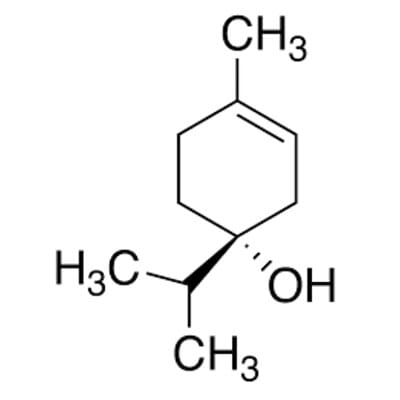
Photo Gallery
Main Article
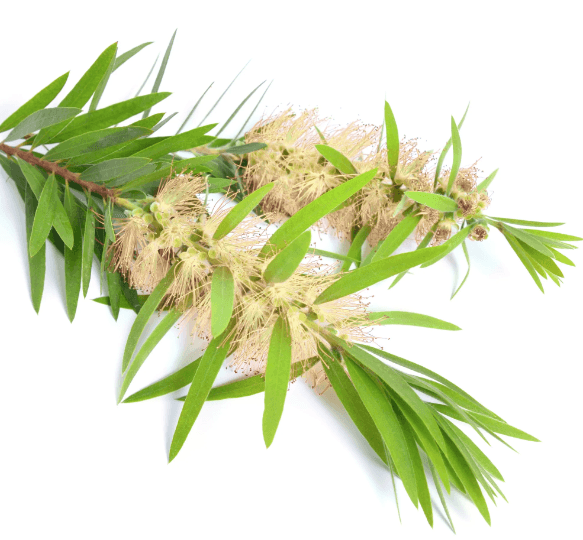
Melaleuca oil, derived from the leaves of the Melaleuca alternifolia tree, has garnered significant attention in wound care due to its multifaceted mechanisms of action. The primary active component of Melaleuca oil is terpinen-4-ol, which is responsible for its antimicrobial and anti-inflammatory properties. Terpinen-4-ol exhibits a broad spectrum of activity against various pathogens, including bacteria and fungi, making it particularly effective in preventing and treating infections in wounds (Pazyar et al., 2014; Pazyar et al., 2014). The mechanism of action of Melaleuca oil can be understood through several key pathways, including disruption of microbial cell membranes, modulation of inflammatory responses, and promotion of tissue regeneration.
One of the most critical aspects of Melaleuca oil’s antimicrobial action is its ability to disrupt microbial cell membranes. The lipophilic nature of terpinen-4-ol allows it to penetrate the lipid bilayer of bacterial cell membranes, leading to increased permeability and eventual cell lysis (Johani et al., 2017; Peng et al., 2017). This action is particularly effective against Gram-positive bacteria such as Staphylococcus aureus, which is a common pathogen in wound infections. Studies have shown that Melaleuca oil can significantly reduce the viability of S. aureus in vitro, demonstrating its potential as a topical antimicrobial agent (Andreu et al., 2015; An et al., 2013). Additionally, the oil has been found to inhibit the growth of biofilms, which are clusters of bacteria that adhere to surfaces and are encased in a protective matrix, making them resistant to conventional antibiotics (Silva et al., 2013). By disrupting biofilm formation, Melaleuca oil can enhance the effectiveness of wound care treatments and promote faster healing.
In addition to its antimicrobial properties, Melaleuca oil also exhibits anti-inflammatory effects, which are crucial for wound healing. Inflammation is a natural response to injury, but excessive inflammation can impede the healing process. Terpinen-4-ol has been shown to downregulate the expression of pro-inflammatory cytokines such as interleukin-1 (IL-1) and tumor necrosis factor-alpha (TNF-α), which are involved in the inflammatory response (Brunel et al., 2016; Pazyar et al., 2014). By modulating these inflammatory pathways, Melaleuca oil can help to create a more favorable environment for healing. Furthermore, its anti-inflammatory properties may reduce pain and discomfort associated with wounds, improving patient outcomes (Xiong et al., 2013).
Another significant mechanism through which Melaleuca oil promotes wound healing is by enhancing fibroblast activity. Fibroblasts are essential cells in the wound healing process, responsible for collagen synthesis and tissue regeneration. Research has indicated that Melaleuca oil can stimulate fibroblast proliferation and migration, leading to increased collagen deposition and improved wound closure (Gebrehiwot et al., 2015; Sasidharan et al., 2010). This effect is particularly beneficial in chronic wounds, where fibroblast activity is often impaired. By promoting fibroblast function, Melaleuca oil can facilitate the transition from the inflammatory phase to the proliferative phase of wound healing, ultimately leading to faster recovery times (Wang et al., 2012).
Moreover, Melaleuca oil has been shown to possess antioxidant properties, which can further support wound healing. Oxidative stress, characterized by an imbalance between reactive oxygen species (ROS) and antioxidant defenses, can hinder the healing process and contribute to chronic inflammation (Pazyar et al., 2012). The antioxidant activity of Melaleuca oil may help to neutralize ROS, thereby reducing oxidative damage to cells and tissues. This protective effect can enhance the overall healing environment, allowing for more efficient tissue repair and regeneration (Fonseca et al., 2014).
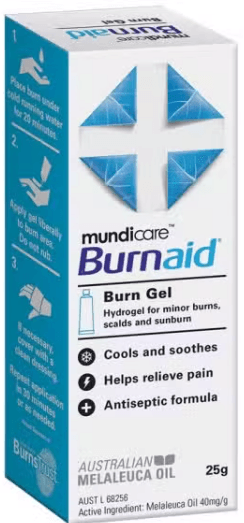
It is essential for clinicians to consider the appropriate formulation and concentration of Melaleuca oil when using it in wound care. While higher concentrations may provide enhanced antimicrobial activity, they can also increase the risk of skin irritation and allergic reactions in sensitive individuals (Sun et al., 2014). Therefore, it is advisable to use diluted formulations and conduct patch tests prior to widespread application. Additionally, the combination of Melaleuca oil with other wound care agents, such as hydrogels or dressings, may enhance its efficacy and provide a synergistic effect in promoting healing (Lago et al., 2011).
In conclusion, the mechanisms of action of Melaleuca oil in wound care are diverse and multifaceted. Its ability to disrupt microbial cell membranes, modulate inflammatory responses, enhance fibroblast activity, and provide antioxidant protection makes it a valuable tool in the management of wounds. As research continues to explore the full potential of Melaleuca oil, its integration into clinical practice is likely to expand, offering new opportunities for improving patient outcomes in wound healing.
- References:
- An, B., Kang, J., Yang, H., Jung, E., Kang, H., Choi, I., … & Jeung, E. (2013). Anti-inflammatory effects of essential oils from chamaecyparis obtusa via the cyclooxygenase-2 pathway in rats. Molecular Medicine Reports, 8(1), 255-259. https://doi.org/10.3892/mmr.2013.1459
- Andreu, V., Mendoza, G., Arruebo, M., & Irusta, S. (2015). Smart dressings based on nanostructured fibers containing natural origin antimicrobial, anti-inflammatory, and regenerative compounds. Materials, 8(8), 5154-5193. https://doi.org/10.3390/ma8085154
- Brunel, M., Vitrac, C., Costa, J., M’Zali, F., Vitrac, X., & Muselli, A. (2016). Essential oil composition of phagnalon sordidum (l.) from corsica, chemical variability and antimicrobial activity. Chemistry & Biodiversity, 13(3), 299-308. https://doi.org/10.1002/cbdv.201500078
- Fonseca, A., Pereira, D., Jacob, R., Filho, F., Hartwig, D., Maroneze, B., … & Meireles, M. (2014). In vitro susceptibility of brazilian pythium insidiosum isolates to essential oils of some lamiaceae family species. Mycopathologia, 179(3-4), 253-258. https://doi.org/10.1007/s11046-014-9841-6
- Gebrehiwot, M., Asres, K., Bisrat, D., Mazumder, A., Lindemann, P., & Bučar, F. (2015). Evaluation of the wound healing property of commiphora guidottii chiov. ex. guid.. BMC Complementary and Alternative Medicine, 15(1). https://doi.org/10.1186/s12906-015-0813-2
- Johani, K., Malone, M., Jensen, S., Dickson, H., Gosbell, I., Hu, H., … & Vickery, K. (2017). Evaluation of short exposure times of antimicrobial wound solutions against microbial biofilms: from in vitro to in vivo. Journal of Antimicrobial Chemotherapy, 73(2), 494-502. https://doi.org/10.1093/jac/dkx391
- Lago, J., Souza, E., Mariane, B., Pascon, R., Vallim, M., Martins, R., … & Sartorelli, P. (2011). Chemical and biological evaluation of essential oils from two species of myrtaceae — eugenia uniflora l. and plinia trunciflora (o. berg) kausel. Molecules, 16(12), 9827-9837. https://doi.org/10.3390/molecules16129827
- Li, X., Duan, S., Chu, C., Xu, J., Zeng, G., Lam, A., … & Jiang, L. (2013). Melaleuca alternifolia concentrate inhibits in vitro entry of influenza virus into host cells. Molecules, 18(8), 9550-9566. https://doi.org/10.3390/molecules18089550
- Pazyar, N., Yaghoobi, R., Bagherani, N., & Kazerouni, A. (2012). A review of applications of tea tree oil in dermatology. International Journal of Dermatology, 52(7), 784-790. https://doi.org/10.1111/j.1365-4632.2012.05654.x
- Pazyar, N., Yaghoobi, R., Rafiee, E., Mehrabian, A., & Feily, A. (2014). Skin wound healing and phytomedicine: a review. Skin Pharmacology and Physiology, 27(6), 303-310. https://doi.org/10.1159/000357477
- Pazyar, N., Yaghoobi, R., Rafiee, E., Mehrabian, A., & Feily, A. (2014). Skin wound healing and phytomedicine: a review. Skin Pharmacology and Physiology, 27(6), 303-310. https://doi.org/10.1159/000357477
- Peng, Y., Yang, F., Subeq, Y., Tien, C., Chao, Y., & Lee, R. (2017). Lipid emulsion enriched in omega‐3pufa accelerates wound healing: a placebo‐controlled animal study. World Journal of Surgery, 42(6), 1714-1720. https://doi.org/10.1007/s00268-017-4404-x
- Sasidharan, S., Nilawatyi, R., Rathinam, X., Latha, L., & Amala, R. (2010). Wound healing potential of elaeis guineensis jacq leaves in an infected albino rat model. Molecules, 15(5), 3186-3199. https://doi.org/10.3390/molecules15053186
- Silva, N., Alves, S., Gonçalves, A., Amaral, J., & Poeta, P. (2013). Antimicrobial activity of essential oils from mediterranean aromatic plants against several foodborne and spoilage bacteria. Food Science and Technology International, 19(6), 503-510. https://doi.org/10.1177/1082013212442198
- Sun, X., Sui, S., Ference, C., Zhang, Y., Sun, S., Zhou, N., … & Zhou, K. (2014). Antimicrobial and mechanical properties of β-cyclodextrin inclusion with essential oils in chitosan films. Journal of Agricultural and Food Chemistry, 62(35), 8914-8918. https://doi.org/10.1021/jf5027873
- Wang, Y., Zeng, W., Xu, P., Lan, Y., Zhu, R., Zhong, K., … & Gao, H. (2012). Chemical composition and antimicrobial activity of the essential oil of kumquat (fortunella crassifolia swingle) peel. International Journal of Molecular Sciences, 13(3), 3382-3393. https://doi.org/10.3390/ijms13033382
- Xiong, L., Peng, C., Zhou, Q., Wan, F., Xie, X., Guo, L., … & Dai, O. (2013). Chemical composition and antibacterial activity of essential oils from different parts of leonurus japonicus houtt.. Molecules, 18(1), 963-973. https://doi.org/10.3390/molecules18010963