


Associated References
Photo Gallery
Main Article
Aetiology
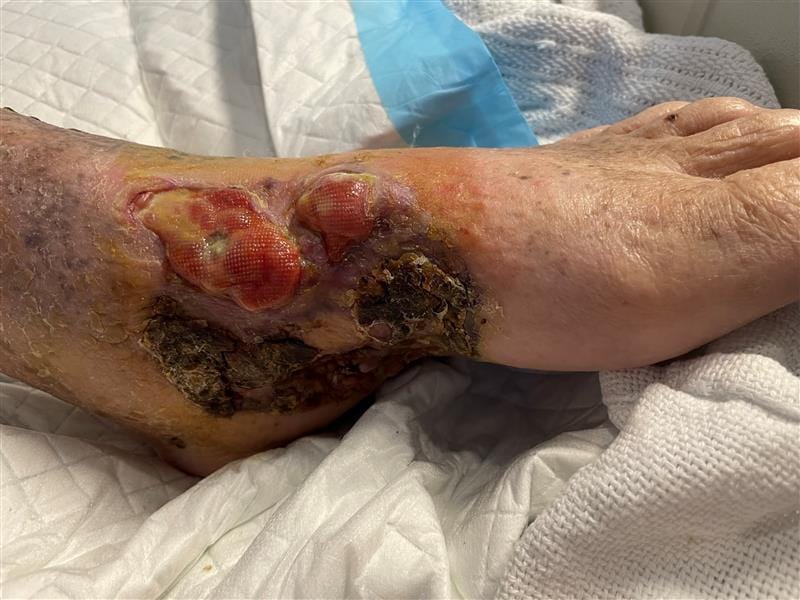
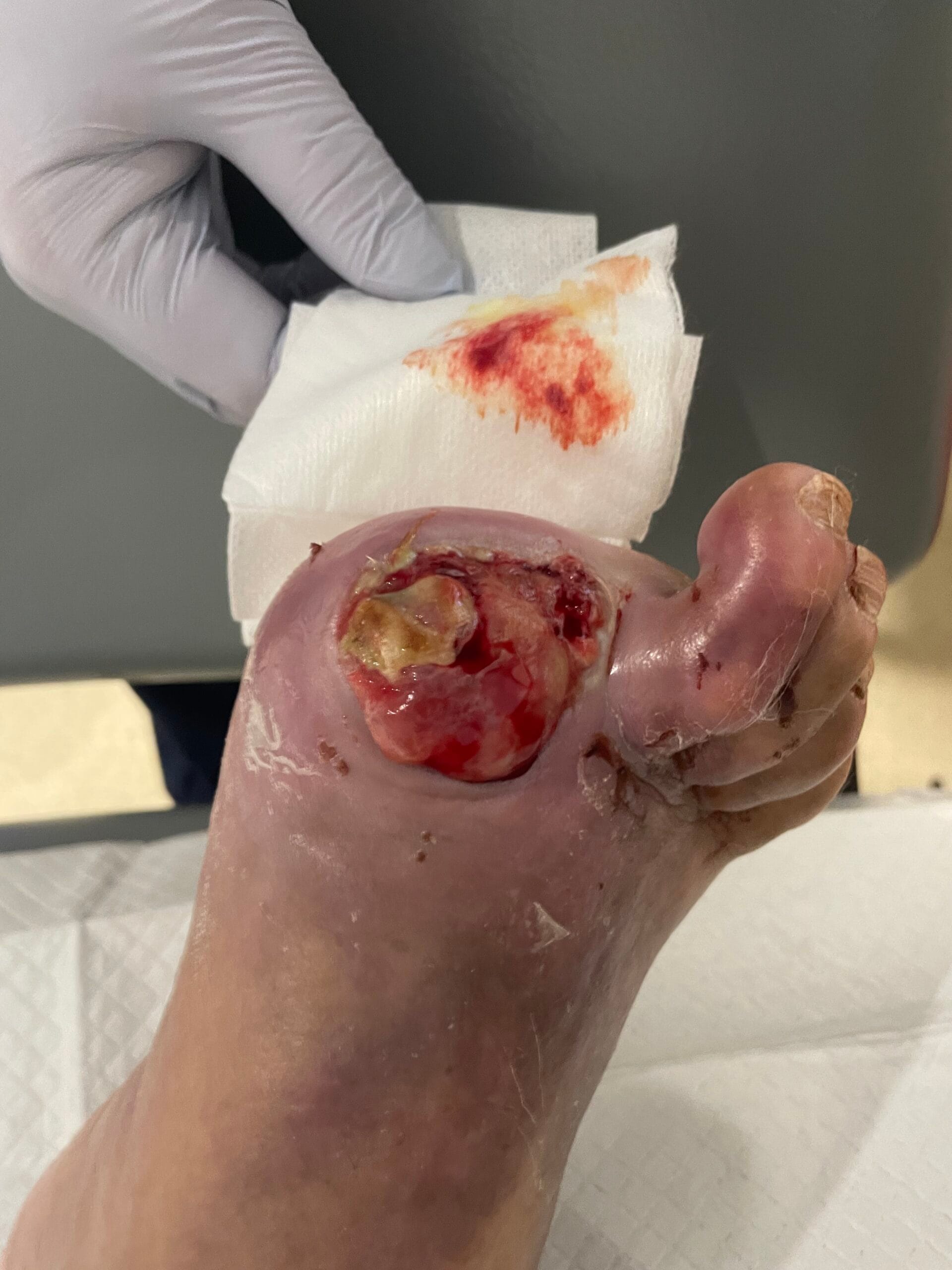
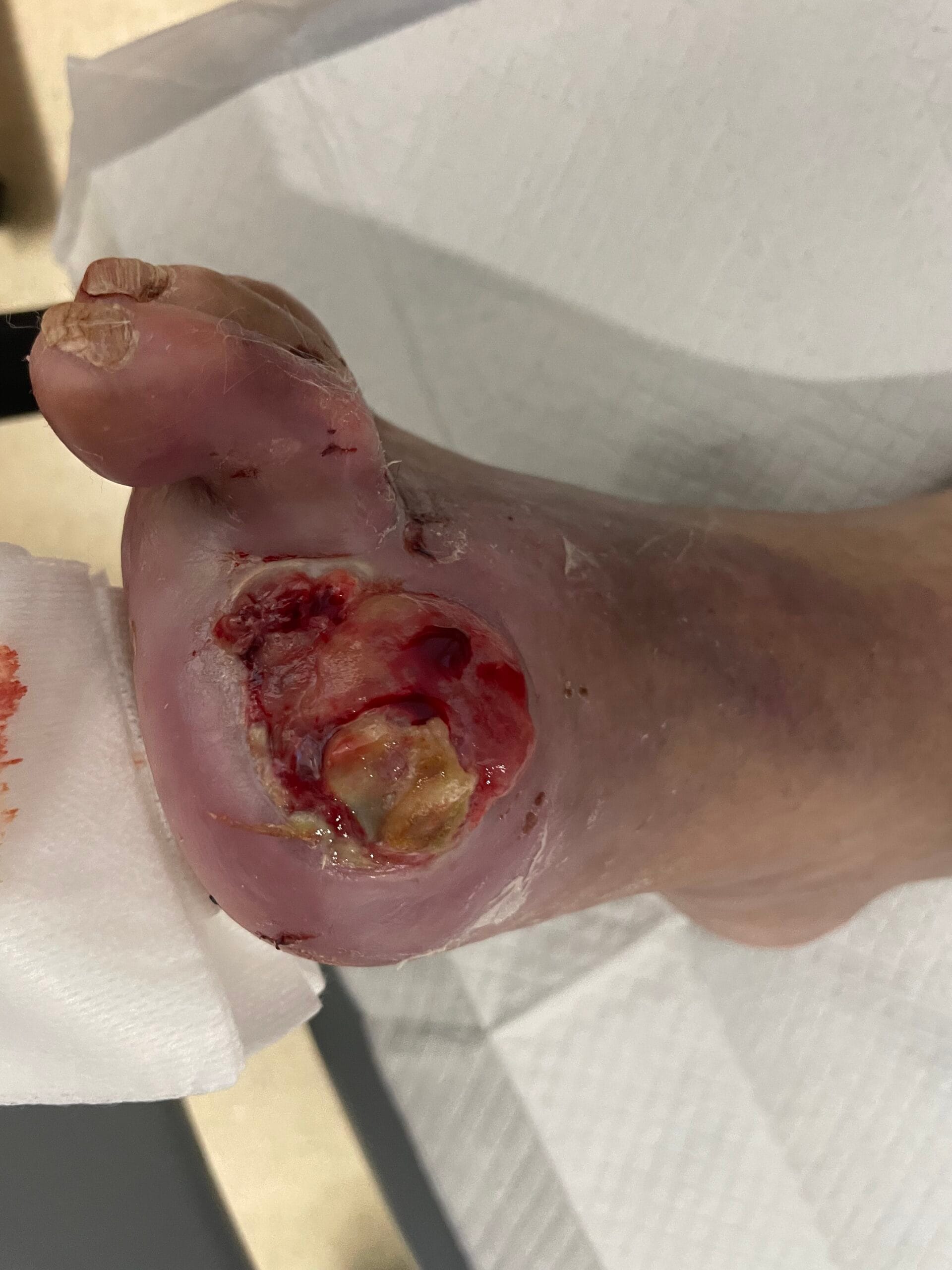
Hypergranulation is characterized by an overproduction of granulation tissue, which can occur as a response to various stimuli. The primary aetiological factors include chronic inflammation, infection, and mechanical irritation at the wound site. Chronic wounds, such as venous ulcers and pressure sores, often exhibit hypergranulation due to prolonged inflammatory responses that stimulate fibroblast activity and excessive collagen deposition (Hollander, 2023). Additionally, factors like moisture imbalance and the presence of foreign bodies can exacerbate this condition by promoting an environment conducive to excessive tissue growth. The role of mast cells in wound healing has also been highlighted, as they release mediators that can influence the granulation tissue formation process, leading to hypergranulation in certain cases (Hussein et al., 2022).
Prevalence
Recent studies indicate that hypergranulation is a common complication in wound healing, particularly in chronic wounds. The prevalence of hypergranulation tissue in chronic wounds can range from 10% to 30%, depending on the underlying condition and the wound management strategies employed. For instance, a systematic review has shown that hypergranulation is frequently observed in patients with venous leg ulcers and diabetic foot ulcers, with rates reported as high as 25% in specific cohorts (Hollander, 2023). This underscores the importance of recognizing hypergranulation as a significant barrier to effective wound healing in clinical practice.
Pathophysiological Changes
The pathophysiological mechanisms underlying hypergranulation involve a complex interplay of cellular and molecular processes. In normal wound healing, granulation tissue formation is a critical step, but in hypergranulation, there is an imbalance between the processes of tissue formation and degradation. Increased fibroblast proliferation and collagen synthesis, coupled with reduced apoptosis of myofibroblasts, contribute to the excessive accumulation of granulation tissue. Furthermore, inflammatory cytokines such as IL-1 and TNF-alpha play pivotal roles in sustaining the inflammatory response, leading to prolonged activation of fibroblasts and endothelial cells, which further drives hypergranulation (Hollander, 2023). The presence of biofilm-forming bacteria in chronic wounds can also perpetuate inflammation, complicating the healing process and contributing to hypergranulation.
Treatments for Hypergranulation
Current evidence-based treatment options for hypergranulation include both pharmacological and non-pharmacological approaches. Topical corticosteroids are commonly utilized to reduce inflammation and inhibit fibroblast activity, thereby promoting a more balanced healing environment. Additionally, surgical interventions such as debridement can effectively remove excess granulation tissue and facilitate proper wound healing (English, 2023). Novel techniques, such as the use of orthopaedic wire for surgical debridement in burn wounds, have shown promise in managing hypergranulation effectively (English, 2023). Furthermore, advanced wound dressings that maintain a moist environment while providing a barrier to infection can also aid in controlling hypergranulation.
Precautions with Treatments
While treating hypergranulation, clinicians must be aware of specific precautions and contraindications associated with various treatment modalities. For instance, the use of topical corticosteroids should be approached with caution, as prolonged use can lead to skin atrophy and delayed wound healing. Surgical debridement, while effective, may not be suitable for all patients, particularly those with compromised vascular supply or significant comorbidities that could impair healing. Additionally, clinicians should monitor for potential adverse effects associated with advanced wound dressings, such as allergic reactions or infection, which could exacerbate the condition.
Diagnostic Tests Available
Diagnosing hypergranulation typically involves a thorough clinical assessment, but several diagnostic tests can aid in confirming the diagnosis. Histopathological examination of tissue samples can help differentiate hypergranulation tissue from other pathological conditions, such as malignancy or chronic inflammation. Additionally, imaging techniques, such as ultrasound, can be employed to assess the depth and extent of granulation tissue, particularly in complex wounds. Laboratory tests to evaluate inflammatory markers may also provide insight into the underlying causes of hypergranulation, guiding treatment decisions.
Contributing Factors
Several factors contribute to the development of hypergranulation, which can be classified into modifiable and non-modifiable categories. Modifiable factors include local wound care practices, the presence of infection, and the management of underlying conditions such as diabetes or venous insufficiency. Non-modifiable factors encompass patient demographics, such as age and genetic predisposition, which can influence wound healing responses. Understanding these factors is crucial for clinicians to implement targeted interventions that can mitigate the risk of hypergranulation in susceptible patients.
Conclusion
In summary, hypergranulation is a multifaceted condition that poses significant challenges in wound management. A comprehensive understanding of its aetiology, prevalence, pathophysiological changes, treatment options, precautions, diagnostic methods, and contributing factors is essential for health clinicians. By integrating this knowledge into clinical practice, healthcare professionals can enhance patient outcomes and promote effective wound healing strategies.
References:
- English, N. (2023). Orthopaedic wire debridement: a novel surgical technique for hypergranulated burn wounds. World Journal of Surgery, 47(12), 3101-3104. https://doi.org/10.1007/s00268-023-07147-6
- Hollander, D. (2023). Invited commentary: management of hypergranulation requires a multimodal approach. World Journal of Surgery, 47(12), 3105-3106. https://doi.org/10.1007/s00268-023-07227-7
- Hussein, S., Chifotides, H., Khoury, J., Verstovšek, S., & Thakral, B. (2022). Systemic mastocytosis and other entities involving mast cells: a practical review and update. Cancers, 14(14), 3474. https://doi.org/10.3390/cancers14143474