


Quick Overview
Associated References
Associated Care Plans/Tutorials
Associated Products
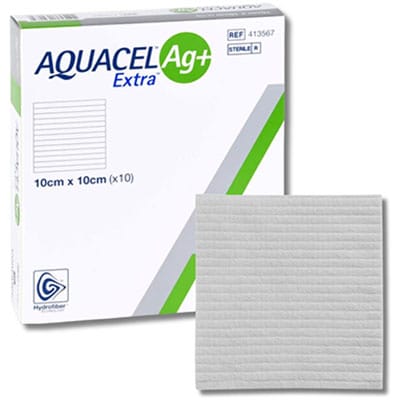
Photo Gallery


Main Article
History
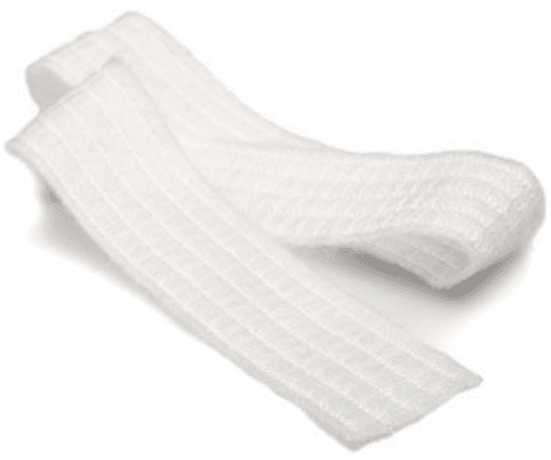
Hydrofibre dressings have evolved significantly since their introduction in the late 20th century. Initially developed to address the challenges of managing wound exudate, these dressings have undergone extensive research and development to optimize their properties for clinical use. The introduction of hydrofibre technology was primarily aimed at enhancing moisture management in wound care, which is crucial for promoting healing and preventing complications such as infection and maceration (Mundi et al., 2021; Orlov et al., 2022). Over the years, hydrofibre dressings have been refined to improve their absorbent capabilities, biocompatibility, and overall effectiveness in various wound types (Frykberg & Banks, 2015; Järbrink et al., 2016).
The first generation of hydrofibre dressings was primarily composed of carboxymethylcellulose, which allowed for the formation of a gel upon contact with wound exudate. This gel not only absorbs excess fluid but also maintains a moist environment conducive to healing (Mitura et al., 2015; Orlov et al., 2022). Subsequent advancements have led to the incorporation of antimicrobial agents, such as silver, to further enhance the dressings’ effectiveness against infection (Kuo et al., 2017; Mitura et al., 2015). The evolution of hydrofibre dressings reflects a broader trend in wound care towards more sophisticated, evidence-based approaches that prioritize patient outcomes and comfort (Frykberg & Banks, 2015; Corbett & Ennis, 2014).
Mechanism of Action
Hydrofibre dressings operate through a unique mechanism that involves the absorption and retention of wound exudate. Upon application to a wound, these dressings interact with exudate to form a cohesive gel, which helps to maintain a moist wound environment—a critical factor in promoting healing (Orlov et al., 2022; Forss, 2022). The gel formation is facilitated by the hydrophilic nature of the hydrofibre material, which allows it to draw fluid away from the wound bed while simultaneously preventing the pooling of exudate at the dressing interface (Orlov et al., 2022; Forss, 2022).
The absorbent properties of hydrofibre dressings are crucial in managing the fluid dynamics of wounds. They exhibit high sorptivity, meaning they can quickly absorb large volumes of exudate, which is essential for preventing maceration of surrounding skin and reducing the risk of infection (Lustig et al., 2020; Orlov et al., 2022). Additionally, the gel created by the dressing provides a protective barrier against external contaminants, further enhancing the healing process (Orlov et al., 2022; Forss, 2022). Studies have shown that the use of hydrofibre dressings can significantly reduce the incidence of infection and promote faster healing times compared to traditional dressings (Kuo et al., 2017; Mundi et al., 2021; Chen et al., 2018).
Clinical Uses
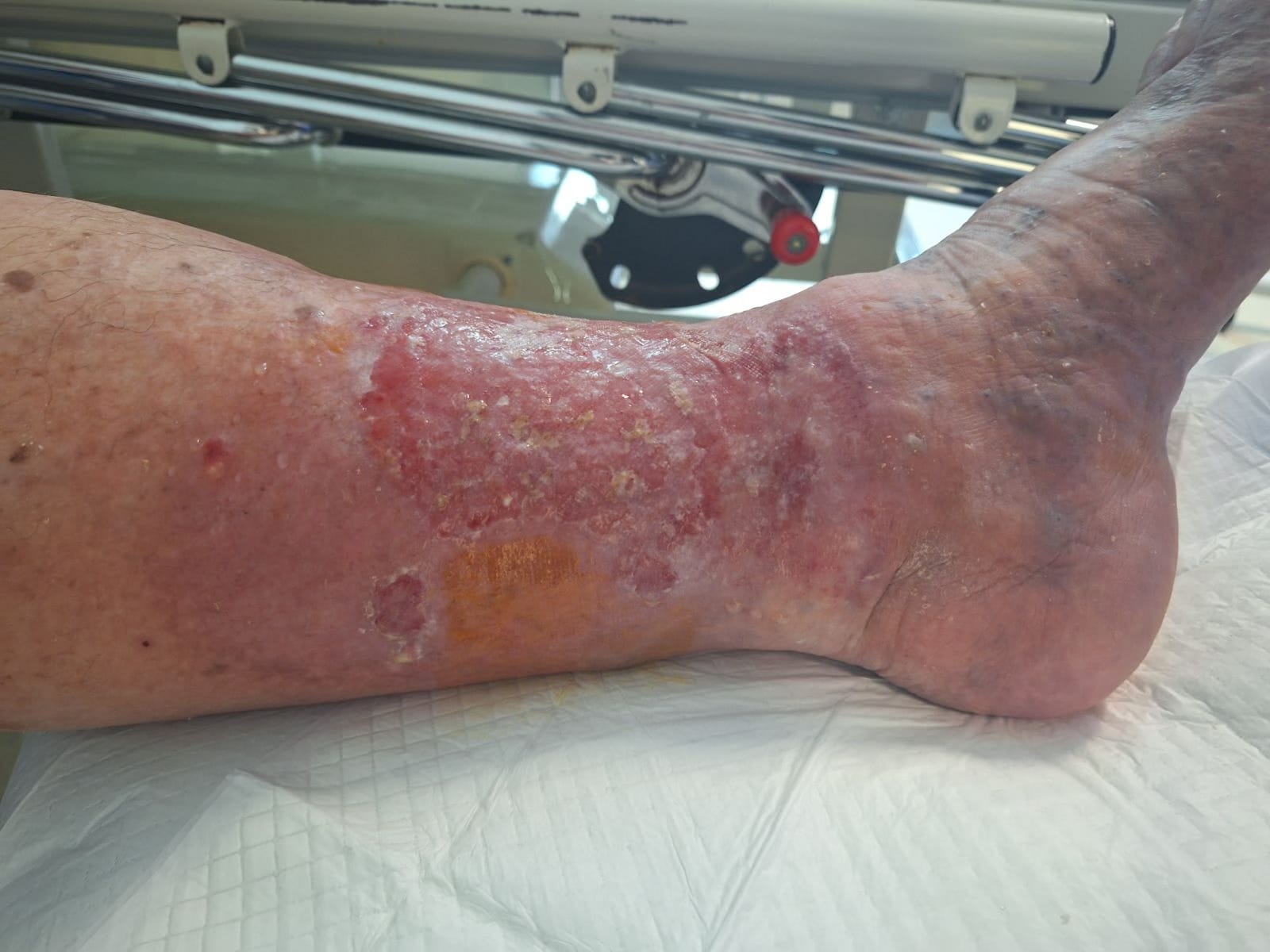
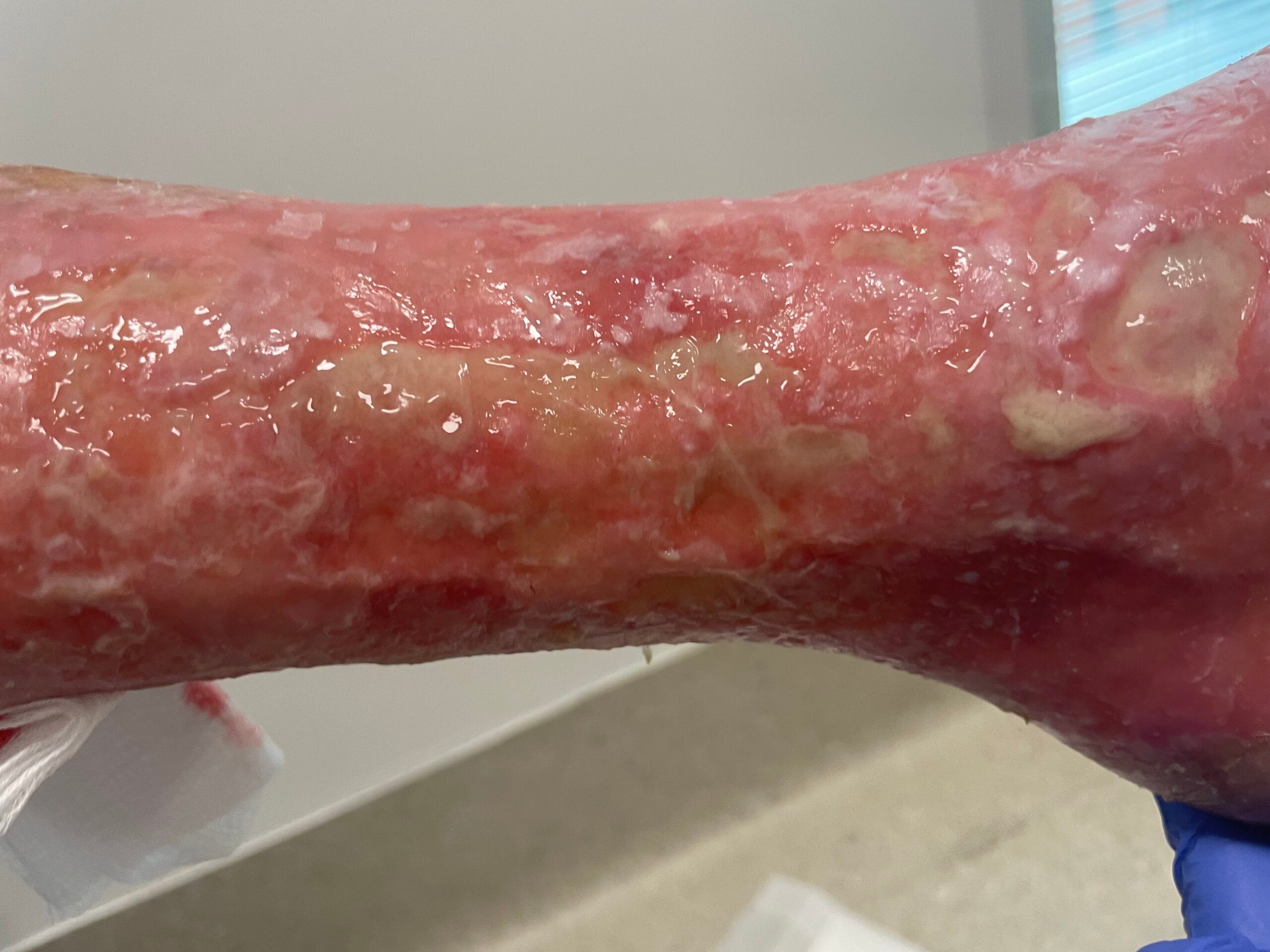
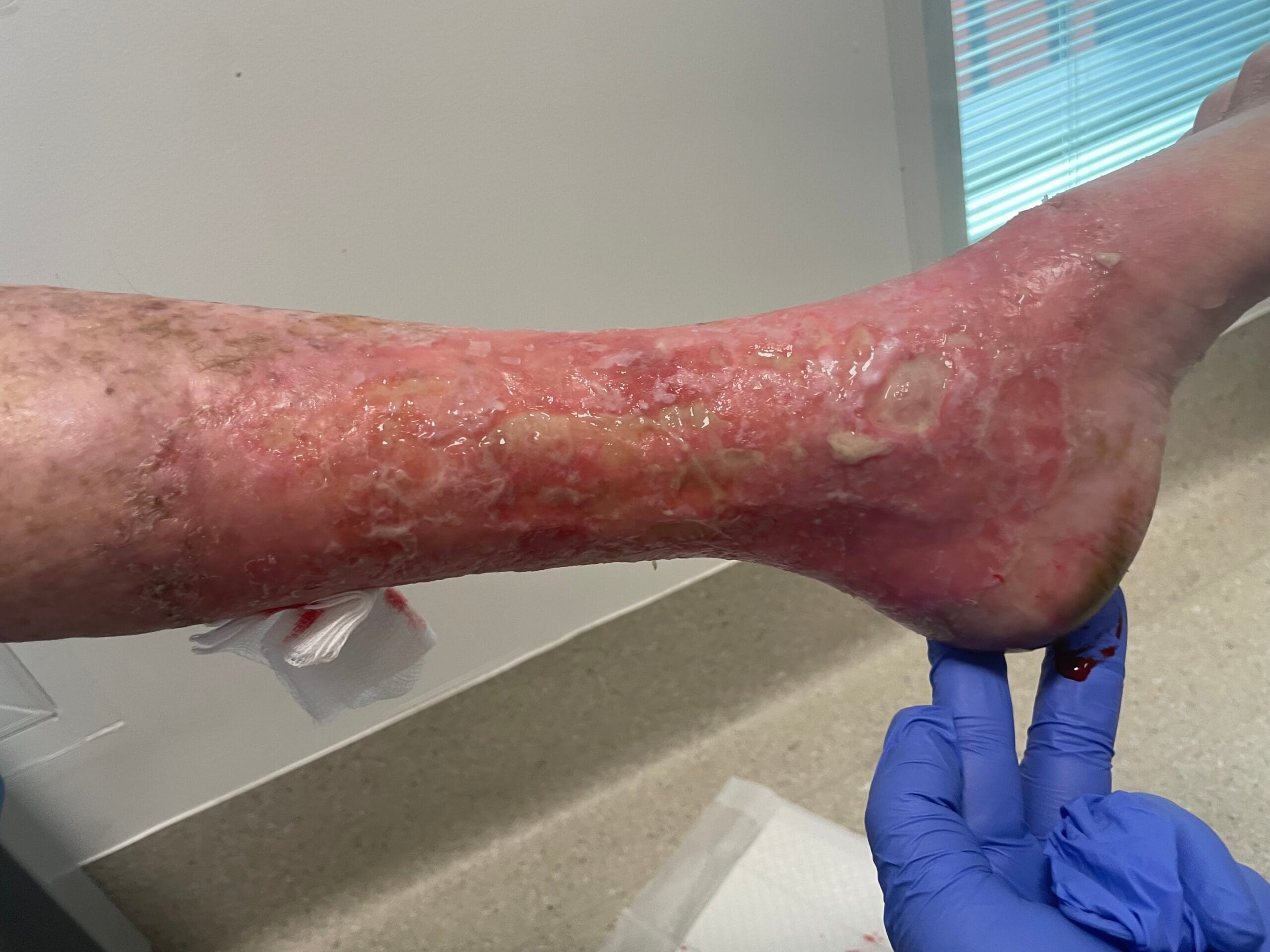
Hydrofibre dressings are versatile and can be used for a wide range of wound types, including chronic wounds, surgical wounds, and ulcers. Their ability to manage exudate effectively makes them particularly suitable for high-exudating wounds, such as venous leg ulcers and pressure ulcers (Frykberg & Banks, 2015; Järbrink et al., 2016). In chronic wound management, hydrofibre dressings have been shown to facilitate the transition from the inflammatory phase to the proliferative phase of healing, which is critical for successful wound closure (Frykberg & Banks, 2015; Järbrink et al., 2016).
In surgical settings, hydrofibre dressings have demonstrated efficacy in reducing surgical site infections and improving patient satisfaction postoperatively (Kuo et al., 2017; Mundi et al., 2021). For instance, a study highlighted that the use of AQUACEL Ag, a silver-impregnated hydrofibre dressing, significantly reduced infection rates in patients undergoing total knee arthroplasty (Kuo et al., 2017). Furthermore, hydrofibre dressings are also effective in managing partial thickness burns, where they help to reduce exudate and promote granulation tissue formation (Mitura et al., 2015; Frykberg & Banks, 2015).
Brands of Hydrofibre Products
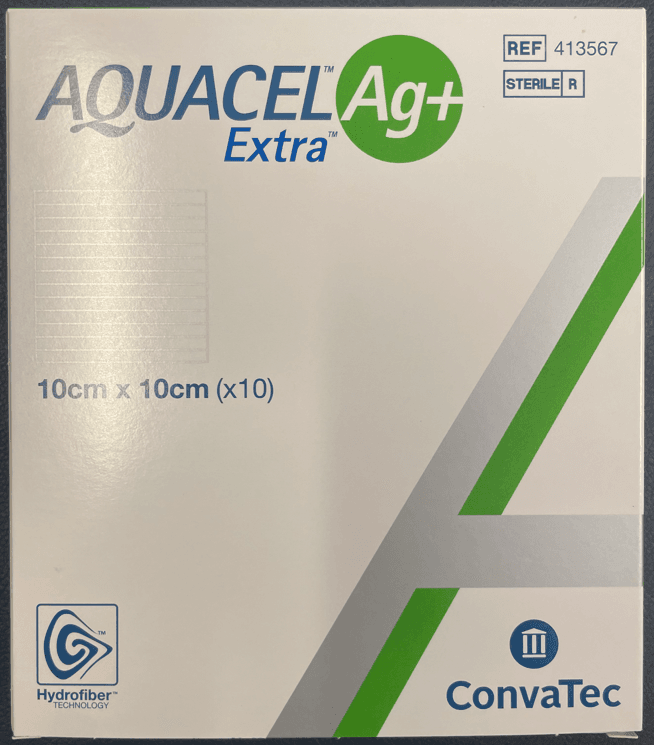
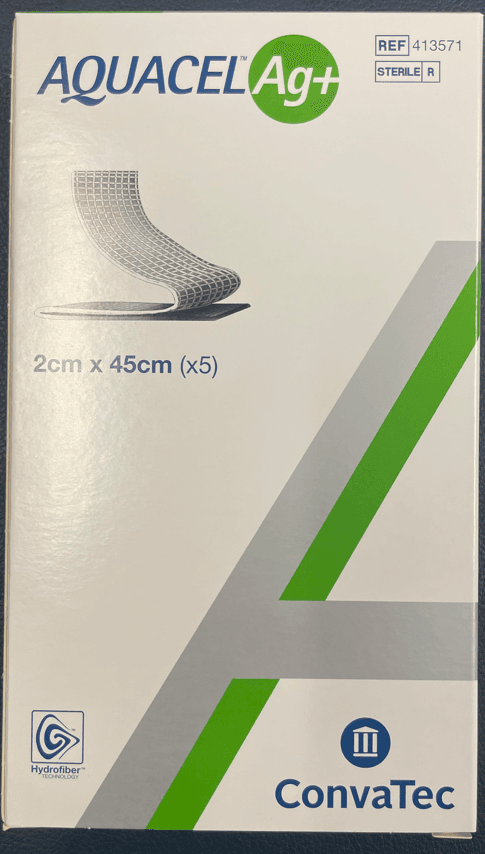
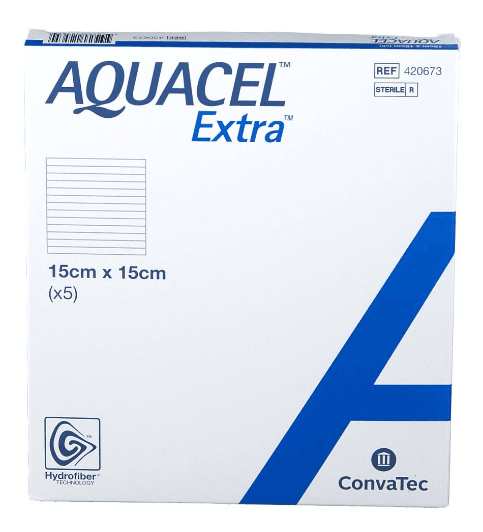
Several brands of hydrofibre dressings are widely available in the market, with AQUACEL and Durafiber being among the most recognized. AQUACEL, developed by ConvaTec, is a well-established hydrofibre dressing that incorporates carboxymethylcellulose and is available in various formulations, including those with silver for antimicrobial properties (Kuo et al., 2017; Mundi et al., 2021). Durafiber, another popular hydrofibre dressing, is known for its high absorbent capacity and is often used in managing exudative wounds (Frykberg & Banks, 2015; Järbrink et al., 2016).
Both brands have undergone rigorous clinical testing to establish their safety and efficacy in various wound care scenarios. For example, studies have shown that AQUACEL dressings can significantly improve healing outcomes in patients with chronic wounds compared to traditional dressings (Mundi et al., 2021; Chen et al., 2018). The choice of hydrofibre dressing often depends on the specific clinical scenario, including the type of wound, the level of exudate, and the presence of infection (Kuo et al., 2017; Frykberg & Banks, 2015).
Precautions for Use
While hydrofibre dressings are generally safe and effective, there are several precautions that healthcare professionals should consider to ensure their safe and effective use. First, it is essential to assess the wound type and the level of exudate before selecting a hydrofibre dressing, as excessive exudate may require more frequent dressing changes (Orlov et al., 2022; Forss, 2022). Additionally, hydrofibre dressings should not be used on dry or necrotic wounds, as they require a moist environment to function effectively (Orlov et al., 2022; Frykberg & Banks, 2015).
Contraindications for the use of hydrofibre dressings include known allergies to the dressing materials and the presence of certain types of wounds, such as those with exposed tendons or bone (Orlov et al., 2022; Frykberg & Banks, 2015). Common complications associated with hydrofibre dressings include skin irritation or allergic reactions, which necessitate careful monitoring of the wound and surrounding skin (Orlov et al., 2022; Frykberg & Banks, 2015). It is also crucial to educate patients on the proper care of their wounds and the importance of adhering to follow-up appointments to monitor healing progress (Frykberg & Banks, 2015; Corbett & Ennis, 2014).
Conclusion
Hydrofibre dressings represent a significant advancement in wound care management, offering effective solutions for a variety of wound types. Their unique mechanism of action, which includes the absorption of exudate and the maintenance of a moist wound environment, makes them particularly beneficial for chronic and high-exudating wounds. As the field of wound care continues to evolve, the role of hydrofibre dressings will likely expand, supported by ongoing research and clinical evidence demonstrating their efficacy and safety.
References:
- Chen, K., Elbuluk, A., Vigdorchik, J., Long, W., & Schwarzkopf, R. (2018). The effect of wound dressings on infection following total joint arthroplasty. Arthroplasty Today, 4(1), 125-129. https://doi.org/10.1016/j.artd.2017.03.002
- Corbett, L. and Ennis, W. (2014). What do patients want? patient preference in wound care. Advances in Wound Care, 3(8), 537-543. https://doi.org/10.1089/wound.2013.0458
- Forss, R. (2022). Does exudate viscosity affect its rate of absorption into wound dressings?. Journal of Wound Care, 31(3), 236-242. https://doi.org/10.12968/jowc.2022.31.3.236
- Frykberg, R. and Banks, J. (2015). Challenges in the treatment of chronic wounds. Advances in Wound Care, 4(9), 560-582. https://doi.org/10.1089/wound.2015.0635
- Järbrink, K., Gao, N., Sönnergren, H., Schmidtchen, A., Pang, C., Bajpai, R., … & Car, J. (2016). Prevalence and incidence of chronic wounds and related complications: a protocol for a systematic review. Systematic Reviews, 5(1). https://doi.org/10.1186/s13643-016-0329-y
- Kuo, F., Chen, B., Lee, M., Yen, S., & Wang, J. (2017). Aquacel® ag surgical dressing reduces surgical site infection and improves patient satisfaction in minimally invasive total knee arthroplasty: a prospective, randomized, controlled study. Biomed Research International, 2017, 1-8. https://doi.org/10.1155/2017/1262108
- Lustig, A., Alves, P., Call, E., Santamaria, N., & Gefen, A. (2020). The sorptivity and durability of gelling fibre dressings tested in a simulated sacral pressure ulcer system. International Wound Journal, 18(2), 194-208. https://doi.org/10.1111/iwj.13515
- Mitura, K., Osłowska, J., & Mitura, A. (2015). A change of traditional method of treatment of partial thickness burn with hydrofibre dressings. Polish Journal of Surgery, 87(2). https://doi.org/10.1515/pjs-2015-0025
- Mundi, R., Chaudhry, H., Ekhtiari, S., Ajrawat, P., Tushinski, D., Wood, T., … & Bhandari, M. (2021). Efficacy of hydrofibre dressing following total joint arthroplasty: a meta-analysis of randomised controlled trials. Hip International, 33(1), 34-40. https://doi.org/10.1177/11207000211012669
- Orlov, A., Lustig, A., Grigatti, A., & Gefen, A. (2022). Fluid handling dynamics and durability of silver-containing gelling fiber dressings tested in a robotic wound system. Advances in Skin & Wound Care, 35(6), 326-334. https://doi.org/10.1097/01.asw.0000823972.16446.ff