


Quick Overview
Associated References
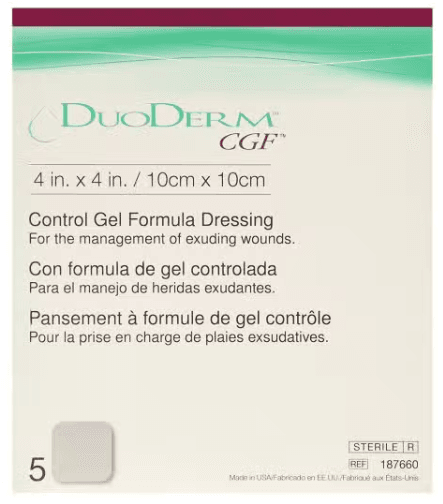
Photo Gallery
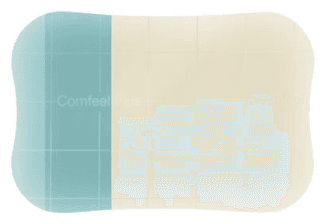
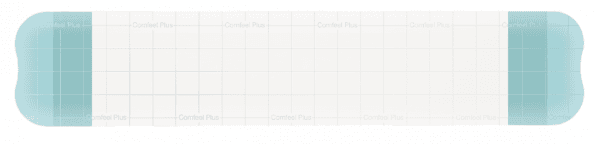
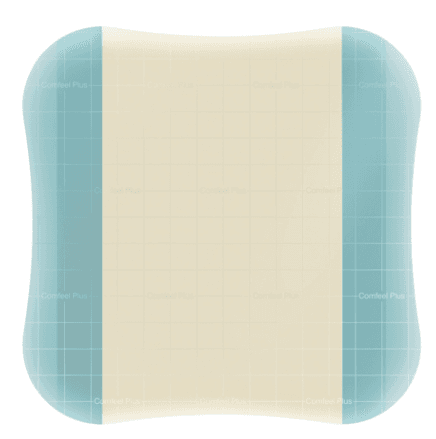
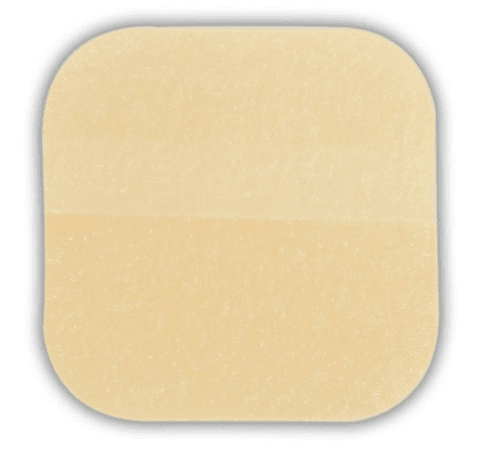
Main Article
History of Hydrocolloid Dressings
Hydrocolloid dressings have undergone significant evolution since their introduction in the late 20th century. Initially developed in the 1970s, these dressings were designed to provide a moist wound environment, which is crucial for optimal healing. The early formulations primarily utilized gelatin and pectin, which were later enhanced with sodium carboxymethylcellulose to improve their absorptive properties and adhesion to the skin (Inoue & Matsuda, 2015). Over the years, advancements in polymer chemistry have led to the development of more sophisticated hydrocolloid dressings that incorporate various materials, enhancing their effectiveness in managing different types of wounds (Wang, 2024).
The clinical application of hydrocolloid dressings gained momentum in the 1980s and 1990s, particularly in the management of pressure ulcers and surgical wounds. Studies began to demonstrate their efficacy in promoting faster healing and reducing pain compared to traditional dressings (Alfuqaha, 2024). As research continued, hydrocolloid dressings became recognized for their ability to create a moist environment conducive to healing while also providing a barrier against external contaminants (Sun et al., 2022). This historical trajectory highlights the ongoing innovation in wound care technologies and the increasing recognition of hydrocolloid dressings as a standard treatment option in clinical practice.
Mechanism of Action
Hydrocolloid dressings function through a unique mechanism that supports wound healing by maintaining a moist environment. When applied to a wound, these dressings absorb exudate, which is then transformed into a gel-like substance. This gel formation is primarily due to the hydrophilic properties of the dressing materials, such as sodium carboxymethylcellulose and pectin, which interact with wound exudate (Asgari et al., 2022). The gel not only provides moisture but also facilitates autolytic debridement, allowing necrotic tissue to be removed naturally without the need for invasive procedures (Hasatsri et al., 2018).
Moreover, hydrocolloid dressings are designed to be occlusive, which helps to prevent the entry of bacteria and other pathogens, thereby reducing the risk of infection (Akita et al., 2016). The occlusive nature also aids in maintaining the skin’s temperature and moisture levels, further promoting healing. Importantly, these dressings allow for gas exchange, which is essential for cellular respiration and overall skin health (Ali et al., 2023). The combination of moisture retention, protection from external contaminants, and promotion of a conducive healing environment underscores the effectiveness of hydrocolloid dressings in wound management.
Clinical Uses
Hydrocolloid dressings are versatile and can be used for a variety of wound types. They are particularly effective for managing highly exuding wounds, such as pressure ulcers, venous ulcers, and surgical wounds (Jafari, 2023). In the context of pressure ulcers, hydrocolloid dressings have been shown to significantly improve healing rates compared to traditional dressings, primarily due to their ability to maintain a moist environment and reduce friction and shear forces on the skin (Min et al., 2014).
Additionally, hydrocolloid dressings are suitable for infected wounds, as they provide a barrier that helps to contain exudate and prevent further contamination (Hassan & Mohammed, 2018). Their use in postoperative care, especially in maxillofacial surgery, has been documented to facilitate healing while minimizing complications such as infection and scarring (Liu & Shen, 2022). The adaptability of hydrocolloid dressings to various clinical scenarios makes them a valuable tool in the arsenal of wound care professionals.
Precautions and Considerations
While hydrocolloid dressings are generally safe and effective, certain precautions must be taken to ensure their optimal use. Contraindications include the presence of third-degree burns, untreated infections, and wounds with excessive necrotic tissue, as these conditions may require different management strategies (Brölmann et al., 2013). Additionally, healthcare professionals should be aware of potential complications, such as skin irritation or allergic reactions, which, although rare, can occur with prolonged use of hydrocolloid dressings (Tuuli et al., 2020).
It is also crucial to monitor the wound regularly to assess for signs of infection or inadequate healing. Dressing changes should be performed according to the manufacturer’s guidelines, typically every 3 to 7 days, depending on the level of exudate and the specific product used (Wang, 2024). Proper education on the application and removal of hydrocolloid dressings can help minimize the risk of skin stripping and ensure that the benefits of these dressings are fully realized (Zhang et al., 2023).
In conclusion, hydrocolloid dressings represent a significant advancement in wound care management, offering numerous benefits in terms of healing, comfort, and protection. Their historical development, mechanisms of action, clinical applications, available brands, and necessary precautions collectively underscore their importance in modern healthcare practices.
References:
- Akita, S., Yoshimoto, H., Tanaka, K., Oishi, M., Senju, C., Mawatari, S., … & Hayashida, K. (2016). Silver sulfadiazine–impregnated hydrocolloid dressing is beneficial in split-thickness skin-graft donor wound healing in a small randomized controlled study. The International Journal of Lower Extremity Wounds, 15(4), 338-343. https://doi.org/10.1177/1534734616670988
- Alfuqaha, O. (2024). Breathing safely: eliminating facial injuries related to nonivasive positive pressure ventilation devices. Central European Journal of Nursing and Midwifery, 15(1), 1042-1049. https://doi.org/10.15452/cejnm.2023.14.0021
- Ali, S., Aslam, U., Khalid, S., Jahangeer, S., & Khan, M. (2023). Comparison of simple penile dressings following hypospadias repair: does it really matter?. PJMHS, 17(5), 87-90. https://doi.org/10.53350/pjmhs202317587
- Asgari, P., Zolfaghari, M., Bit-Lian, Y., Abdi, A., Mohammadi, Y., & Bahramnezhad, F. (2022). Comparison of hydrocolloid dressings and silver nanoparticles in treatment of pressure ulcers in patients with spinal cord injuries: a randomized clinical trial. Journal of Caring Sciences, 11(1), 1-6. https://doi.org/10.34172/jcs.2022.08
- Brölmann, F., Eskes, A., Goslings, J., Niessen, F., Bree, R., Vahl, A., … & Ubbink, D. (2013). Randomized clinical trial of donor-site wound dressings after split-skin grafting. British Journal of Surgery, 100(5), 619-627. https://doi.org/10.1002/bjs.9045
- Giacaman, A., Boix‐Vilanova, J., & Martín‐Santiago, A. (2022). Hydrocolloid dressing for the treatment of severe diaper dermatitis. Pediatric Dermatology, 40(1), 224-225. https://doi.org/10.1111/pde.15131
- Hasatsri, S., Pitiratanaworanat, A., Swangwit, S., Boochakul, C., & Tragoonsupachai, C. (2018). Comparison of the morphological and physical properties of different absorbent wound dressings. Dermatology Research and Practice, 2018, 1-6. https://doi.org/10.1155/2018/9367034
- Hassan, A. and Mohammed, H. (2018). Effect of hydrocolloid dressing versus paraffin gauze dressing on wound healing and pain for split thickness skin graft donor site. International Journal of Nursing Didactics, 08(08), 43-51. https://doi.org/10.15520/ijnd.v8i08.2269
- Inoue, K. and Matsuda, L. (2015). Avaliação de custo-efetividade de dois tipos de curativos para prevenção de úlcera por pressão. Acta Paulista De Enfermagem, 28(5), 415-419. https://doi.org/10.1590/1982-0194201500070
- Jafari, D. (2023). Fabrication and characterization of a hydrocolloid wound dressing functionalized with human placental derived extracellular matrix for management of skin wounds: an animal study. Artificial Organs, 48(2), 117-129. https://doi.org/10.1111/aor.14674
- Liu, J. and Shen, H. (2022). Clinical efficacy of chitosan‐based hydrocolloid dressing in the treatment of chronic refractory wounds. International Wound Journal, 19(8), 2012-2018. https://doi.org/10.1111/iwj.13801
- Min, S., Yoon, J., Park, S., Kwon, H., & Suh, D. (2014). Clinical effect of bovine amniotic membrane and hydrocolloid on wound by laser treatment: prospective comparative randomized clinical trial. Wound Repair and Regeneration, 22(2), 212-219. https://doi.org/10.1111/wrr.12145
- Ng, I., Kave, B., Begg, F., Sage, S., Segal, R., & Di, W. (2021). Impact on quantitative fit-test results after application of prophylactic hydrocolloid dressing under n95 respirators. Infection Control and Hospital Epidemiology, 43(8), 993-996. https://doi.org/10.1017/ice.2021.293
- Sun, W., Chen, M., Duan, D., Liu, W., Cui, W., & Li, L. (2022). Effectiveness of moist dressings in wound healing after surgical suturing: a bayesian network meta‐analysis of randomised controlled trials. International Wound Journal, 20(1), 69-78. https://doi.org/10.1111/iwj.13839
- Tuuli, M., Liu, J., Tita, A., Longo, S., Trudell, A., Carter, E., … & Macones, G. (2020). Effect of prophylactic negative pressure wound therapy vs standard wound dressing on surgical-site infection in obese women after cesarean delivery. Jama, 324(12), 1180. https://doi.org/10.1001/jama.2020.13361
- Wang, C. (2024). Effect of hydrocolloid dressings on preventing air leakage when applying negative pressure wound therapy to the perineum, buttocks, and sacrococcygeal region. Wound Repair and Regeneration, 32(1), 74-79. https://doi.org/10.1111/wrr.13136
- Wang, J. (2024). Role of hydrocolloid dressing in preventing face pressure ulcers from non‐invasive ventilation and facilitating postoperative wound healing in maxillofacial surgery: a meta‐ International Wound Journal, 21(3). https://doi.org/10.1111/iwj.14780
- Zhang, C., Zhang, S., Wu, B., Zhang, K., & Chen, H. (2023). Efficacy of different types of dressings on pressure injuries: systematic review and network meta‐ Nursing Open, 10(9), 5857-5867. https://doi.org/10.1002/nop2.1867
- Zhang, L., Yin, H., Lei, X., Lau, J., Yuan, M., Wang, X., … & Wu, J. (2019). A systematic review and meta-analysis of clinical effectiveness and safety of hydrogel dressings in the management of skin wounds. Frontiers in Bioengineering and Biotechnology, 7. https://doi.org/10.3389/fbioe.2019.00342