


Associated References
Photo Gallery
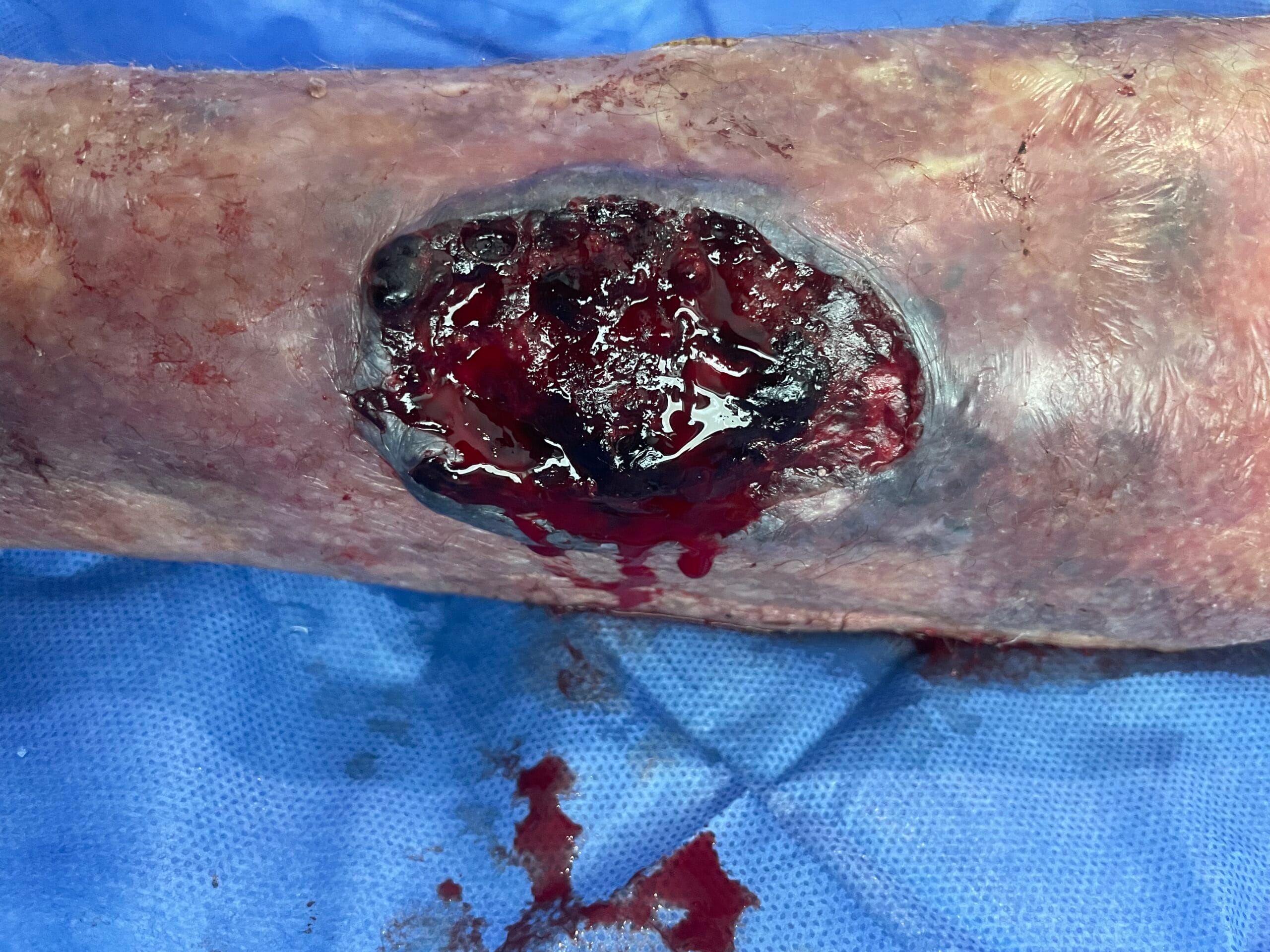
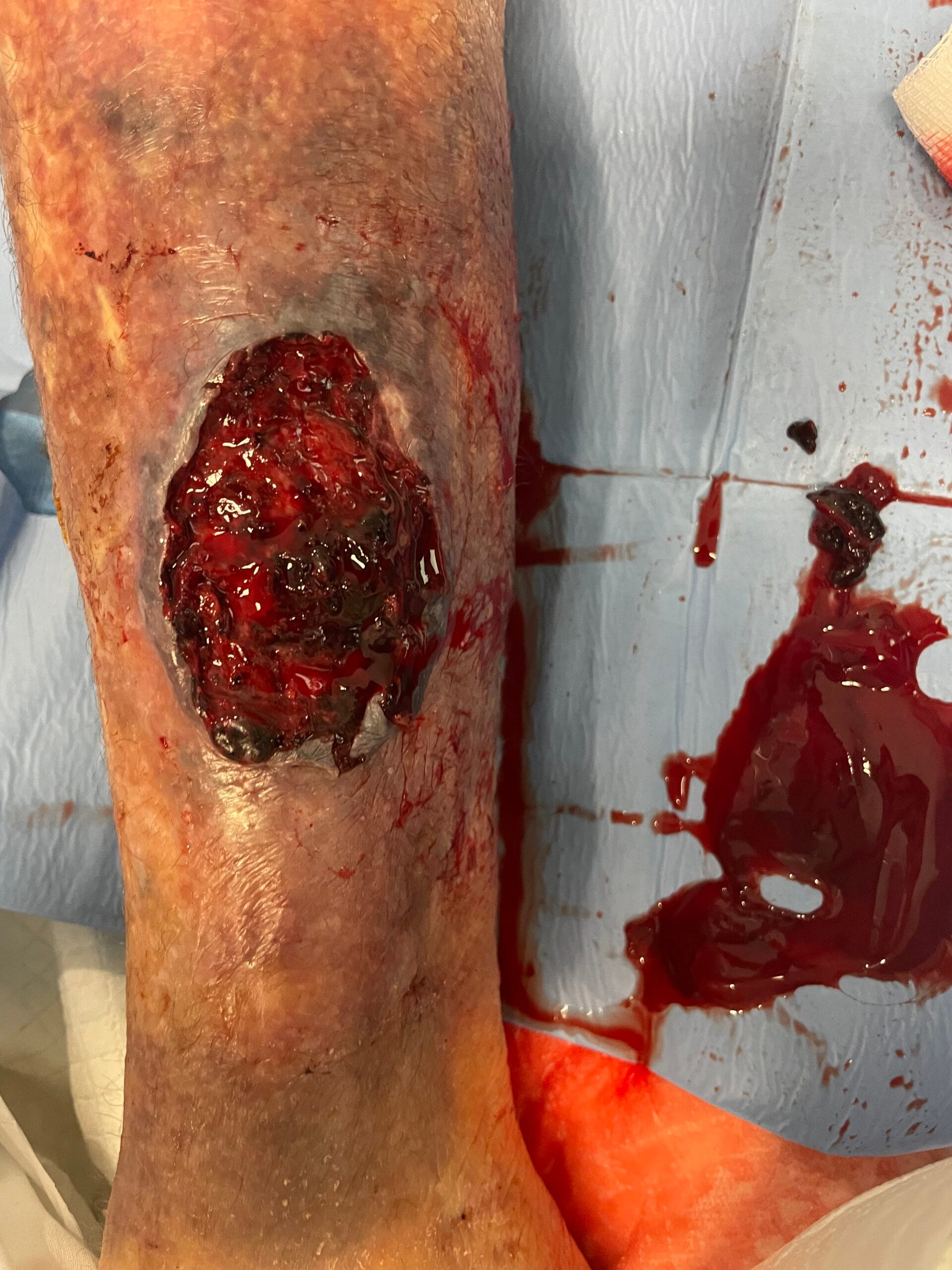
Main Article
Types of Haematomas
Haematomas are localized collections of blood outside of blood vessels, typically resulting from trauma or surgical procedures. In wound care, three common types of haematomas are frequently encountered: subcutaneous, intramuscular, and subungual haematomas.
Subcutaneous haematomas occur beneath the skin and are often visible as a bruise or swelling. They can arise from minor injuries or surgical incisions and may resolve spontaneously or require drainage if they become large or symptomatic (Ng et al., 2020). Intramuscular haematomas, on the other hand, form within muscle tissue and can lead to significant pain, swelling, and restricted movement. These haematomas are particularly concerning as they may compress surrounding structures and impair blood flow (Desai et al., 2018). Subungual haematomas are collections of blood beneath a fingernail or toenail, usually resulting from trauma. They can cause severe pain and may necessitate drainage to relieve pressure and prevent nail loss (El-Omar et al., 2022).
Understanding the type of haematoma is crucial for appropriate management, as each type presents unique challenges and potential complications. For instance, subcutaneous haematomas may be managed conservatively, while intramuscular haematomas may require more aggressive intervention to prevent complications such as compartment syndrome (Sun, 2023).
Pathophysiology
The formation of haematomas significantly impacts the physiological processes involved in wound healing. When a haematoma develops, it disrupts normal tissue perfusion, leading to ischemia in surrounding tissues. This ischemia can exacerbate inflammation, as the body responds to the injury by increasing blood flow to the area, which may not effectively reach the compromised tissues.
Moreover, the presence of a haematoma can create a favorable environment for infection. The accumulation of blood can serve as a medium for bacterial growth, increasing the risk of postoperative complications such as wound infection and dehiscence (Ndu-Akinla et al., 2021). In cases where haematomas are not adequately managed, they can lead to chronic inflammation and delayed wound healing, necessitating further interventions (Cagney et al., 2020).
The interplay between haematoma formation and wound healing is complex, as the body’s inflammatory response, while essential for healing, can be detrimental if prolonged or excessive. This highlights the importance of timely recognition and management of haematomas to mitigate their adverse effects on wound healing (Altıntaş et al., 2014).
Acute Management
Effective acute management of haematomas in wound care is essential to minimize complications and promote healing. Evidence-based treatments include drainage techniques, compression, and adjunct therapies.
Drainage is often indicated for larger haematomas or those causing significant symptoms. Techniques such as needle aspiration or incision and drainage can be employed, depending on the size and location of the haematoma (Balaji et al., 2019). Compression is another critical management strategy, as it can help reduce swelling and promote hemostasis. Applying a compression bandage can assist in minimizing the size of the haematoma and facilitate the reabsorption of blood by surrounding tissues (Penston, 2024).
Adjunct therapies, such as negative pressure wound therapy (NPWT), have shown promise in enhancing wound healing and reducing complications associated with haematomas. NPWT can improve local blood flow and promote tissue granulation, thereby accelerating the healing process (Adelani et al., 2014). Furthermore, the use of antibiotics may be warranted in cases where there is a high risk of infection, particularly in contaminated wounds or when the haematoma is associated with significant tissue damage (Guest et al., 2020).
Overall, the acute management of haematomas should be guided by clinical judgment, taking into account the size, location, and symptoms associated with the haematoma, as well as the overall condition of the patient (Doig et al., 2014).
Long-Term Care
Long-term management of chronic or recurrent haematomas in wound care requires a comprehensive approach that includes monitoring for infection, addressing delayed wound healing, and implementing scar management strategies.
Patients with a history of haematomas should be closely monitored for signs of infection, such as increased redness, swelling, or discharge from the wound site. Early intervention is crucial, as infections can complicate healing and lead to more severe outcomes (Jia et al., 2019). Additionally, addressing factors that contribute to delayed wound healing, such as poor nutrition or underlying medical conditions, is essential for preventing recurrent haematomas (Kamtoh et al., 2014).
Scar management is another critical aspect of long-term care. Techniques such as silicone gel sheeting, massage therapy, and laser treatments can be employed to improve the appearance and elasticity of scars resulting from haematomas (Kakisis et al., 2016). Furthermore, educating patients about proper wound care and the importance of follow-up appointments can empower them to take an active role in their recovery and minimize the risk of complications (Matiasek et al., 2017).
In summary, long-term care for haematomas in wound care should be proactive, focusing on infection prevention, addressing underlying issues, and implementing effective scar management strategies to enhance patient outcomes (Pergialiotis et al., 2017).
Precautions
Preventing haematoma formation or worsening in wound care requires adherence to specific precautions. Proper handling of tissue during surgical procedures is paramount to minimize trauma and subsequent bleeding (Saghir et al., 2018). Additionally, healthcare professionals must be vigilant when prescribing anticoagulants, as these medications can significantly increase the risk of haematoma formation. Individualized dosing based on patient weight and risk factors is essential to balance the benefits of anticoagulation with the potential for bleeding complications (Nasar et al., 2017).
Patient education plays a crucial role in preventing haematomas. Providing clear instructions on post-operative care, including activity restrictions and signs of complications, can empower patients to participate actively in their recovery (Guest et al., 2015). Furthermore, ensuring that patients understand the importance of follow-up appointments can facilitate early detection and management of any issues that may arise (Scalise et al., 2014).
In conclusion, implementing these precautions can significantly reduce the incidence of haematomas in wound care, ultimately leading to better patient outcomes and reduced healthcare costs associated with complications (Guest et al., 2016).
References:
- Adelani, M., Johnson, S., Keeney, J., Nunley, R., & Barrack, R. (2014). Clinical outcomes following re-admission for non-infectious wound complications after primary total knee replacement. The Bone & Joint Journal, 96-B(5), 619-621. https://doi.org/10.1302/0301-620x.96b5.33479
- Altıntaş, B., Biber, R., & Brem, M. (2014). The accelerating effect of negative pressure wound therapy with prevena™ on the healing of a closed wound with persistent serous secretion. International Wound Journal, 12(6), 662-663. https://doi.org/10.1111/iwj.12198
- Balaji, G., Sriharsha, Y., & Sharma, D. (2019). Delayed onset sciatic nerve palsy secondary to wound hematoma following anticoagulant therapy post-bipolar hemiarthroplasty – an uncommon complication: a case report. Malaysian Orthopaedic Journal, 13(2), 49-51. https://doi.org/10.5704/moj.1907.010
- Cagney, D., Simmons, L., O’Leary, D., Corrigan, M., Kelly, L., O’Sullivan, M., … & Redmond, H. (2020). The efficacy of prophylactic negative pressure wound therapy for closed incisions in breast surgery: a systematic review and meta‐ World Journal of Surgery, 44(5), 1526-1537. https://doi.org/10.1007/s00268-019-05335-x
- Desai, A., Krishnan, A., Zaghloul, A., & McClure, M. (2018). Calvarial osteomyelitis and intracranial extension post-mohs micrographic surgery. BMJ Case Reports, bcr-2018-224861. https://doi.org/10.1136/bcr-2018-224861
- Doig, D., Turner, E., Dobson, J., Featherstone, R., Borst, G., Brown, M., … & Richards, T. (2014). Incidence, impact, and predictors of cranial nerve palsy and haematoma following carotid endarterectomy in the international carotid stenting study. European Journal of Vascular and Endovascular Surgery, 48(5), 498-504. https://doi.org/10.1016/j.ejvs.2014.08.002
- El-Omar, O., Akbani, U., Abdelrahman, A., Akbari, A., Said, U., Ismail, O., … & Paul, A. (2022). Value of drains in soft-tissue tumour surgery: a specialist regional centre experience. Cureus. https://doi.org/10.7759/cureus.32259
- Guest, J., Ayoub, N., McIlwraith, T., Uchegbu, I., Gerrish, A., Weidlich, D., … & Vowden, P. (2015). Health economic burden that wounds impose on the national health service in the uk. BMJ Open, 5(12), e009283. https://doi.org/10.1136/bmjopen-2015-009283
- Guest, J., Ayoub, N., McIlwraith, T., Uchegbu, I., Gerrish, A., Weidlich, D., … & Vowden, P. (2016). Health economic burden that different wound types impose on the uk’s national health service. International Wound Journal, 14(2), 322-330. https://doi.org/10.1111/iwj.12603
- Guest, J., Fuller, G., & Vowden, P. (2020). Cohort study evaluating the burden of wounds to the uk’s national health service in 2017/2018: update from 2012/2013. BMJ Open, 10(12), e045253. https://doi.org/10.1136/bmjopen-2020-045253
- Jia, X., Sun, Z., Patel, J., Flood, K., Stocken, D., & Scott, D. (2019). Systematic review of endovascular intervention and surgery for common femoral artery atherosclerotic disease. British Journal of Surgery, 106(1), 13-22. https://doi.org/10.1002/bjs.11026
- Kakisis, J., Antonopoulos, C., Moulakakis, K., Schneider, F., Geroulakos, G., & Ricco, J. (2016). Protamine reduces bleeding complications without increasing the risk of stroke after carotid endarterectomy: a meta-analysis. European Journal of Vascular and Endovascular Surgery, 52(3), 296-307. https://doi.org/10.1016/j.ejvs.2016.05.033
- Kamtoh, G., Pach, R., Kibil, W., Matyja, A., Solecki, R., Banas, B., … & Kulig, J. (2014). Effectiveness of mesh hernioplasty in incarcerated inguinal hernias.., 415-419. https://doi.org/10.5114/wiitm.2014.43080
- Matiasek, J., Kienzl, P., Otti, G., Turk, B., Djedovic, G., & Rieger, U. (2017). Aseptic surgical preparation for upper eyelid blepharoplasty via full‐face octenidine antiseptic without antibiotic medication shows effective prophylaxis against post‐surgical wound infection. International Wound Journal, 15(1), 84-89. https://doi.org/10.1111/iwj.12837
- Nasar, G., Sandhu, I., & Sultan, M. (2017). Management of inguinal hernia in children. Annals of Punjab Medical College, 11(3), 202-205. https://doi.org/10.29054/apmc/17.357
- Ndu-Akinla, C., Dienye, N., & Dienye, P. (2021). Vulvovaginal haematoma presenting in the puerperium: a case report. GSC Advanced Research and Reviews, 6(3), 083-086. https://doi.org/10.30574/gscarr.2021.6.3.0036
- Ng, J., Tan, J., Lee, J., & Choong, A. (2020). Longitudinal versus transverse incision for common femoral artery exposure: a systematic review and meta‐ Australian and New Zealand Journal of Surgery, 91(5), 822-831. https://doi.org/10.1111/ans.16448
- Penston, V. (2024). Emergency front of neck access in the management of acute airway obstruction secondary to postoperative neck haematoma. Anaesthesia Reports, 12(1). https://doi.org/10.1002/anr3.12273
- Pergialiotis, V., Prodromidou, A., Perrea, D., & Doumouchtsis, S. (2017). The impact of subcutaneous tissue suturing at caesarean section on wound complications: a meta‐ Bjog an International Journal of Obstetrics & Gynaecology, 124(7), 1018-1025. https://doi.org/10.1111/1471-0528.14593
- Saghir, R., Humm, G., & Rix, T. (2018). Haematomas after carotid endarterectomy can be reduced by direct pressure to the neck postoperatively. Annals of the Royal College of Surgeons of England, 100(7), 580-583. https://doi.org/10.1308/rcsann.2018.0109
- Scalise, A., Tartaglione, C., Bolletta, E., Calamita, R., Nicoletti, G., Pierangeli, M., … & Benedetto, G. (2014). The enhanced healing of a high‐risk, clean, sutured surgical incision by prophylactic negative pressure wound therapy as delivered by prevena™ customizable™: cosmetic and therapeutic results. International Wound Journal, 12(2), 218-223. https://doi.org/10.1111/iwj.12370
- Sun, H. (2023). Exploration of wound‐related complications post‐kidney transplantation. International Wound Journal, 21(4). https://doi.org/10.1111/iwj.14578