


Quick Overview
Associated References
Associated Care Plans/Tutorials
Associated Products
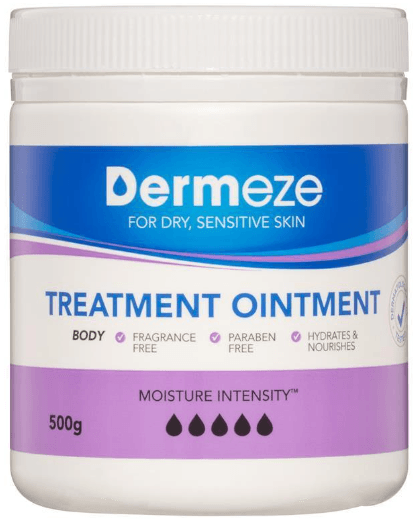
Photo Gallery
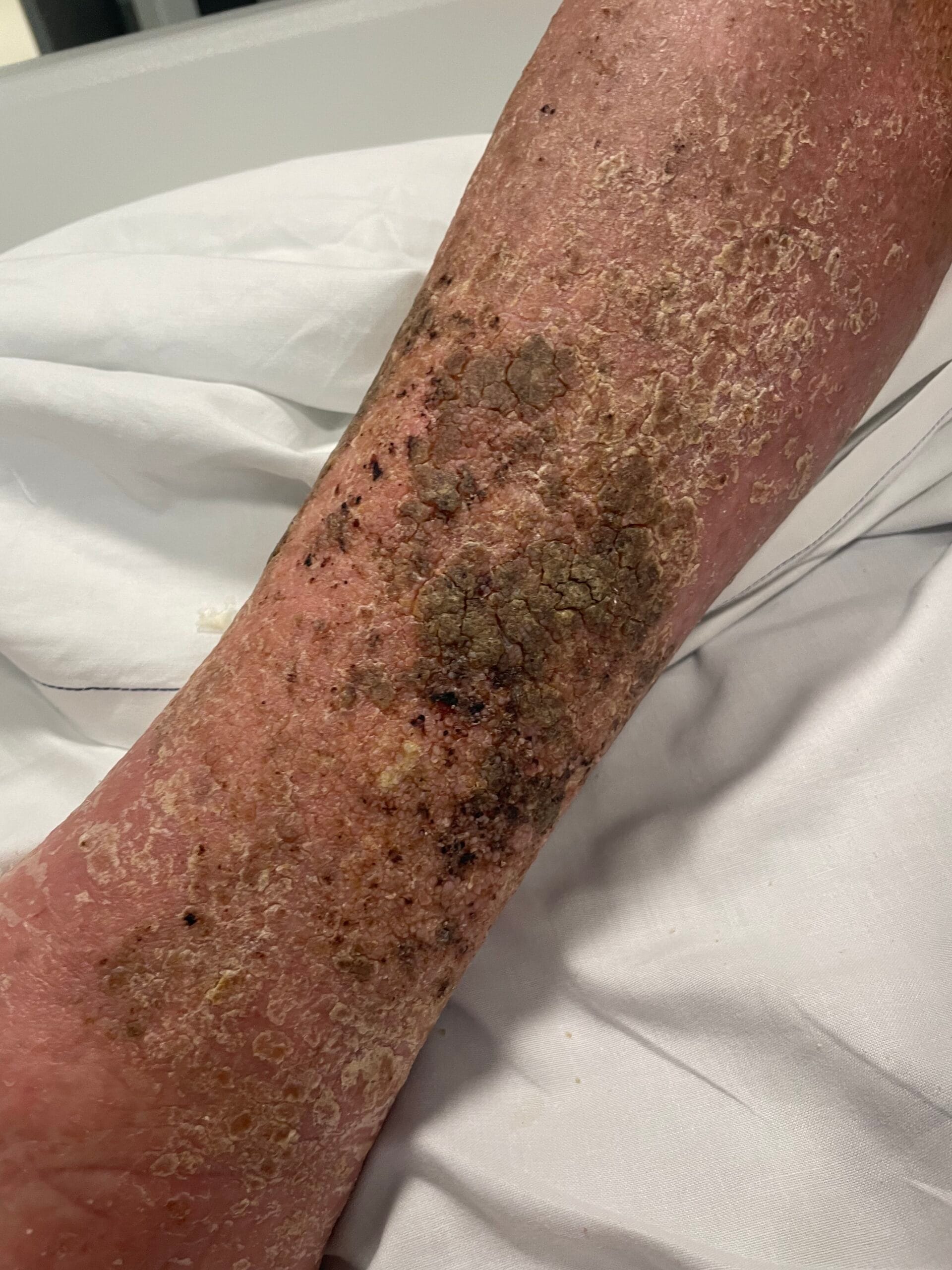
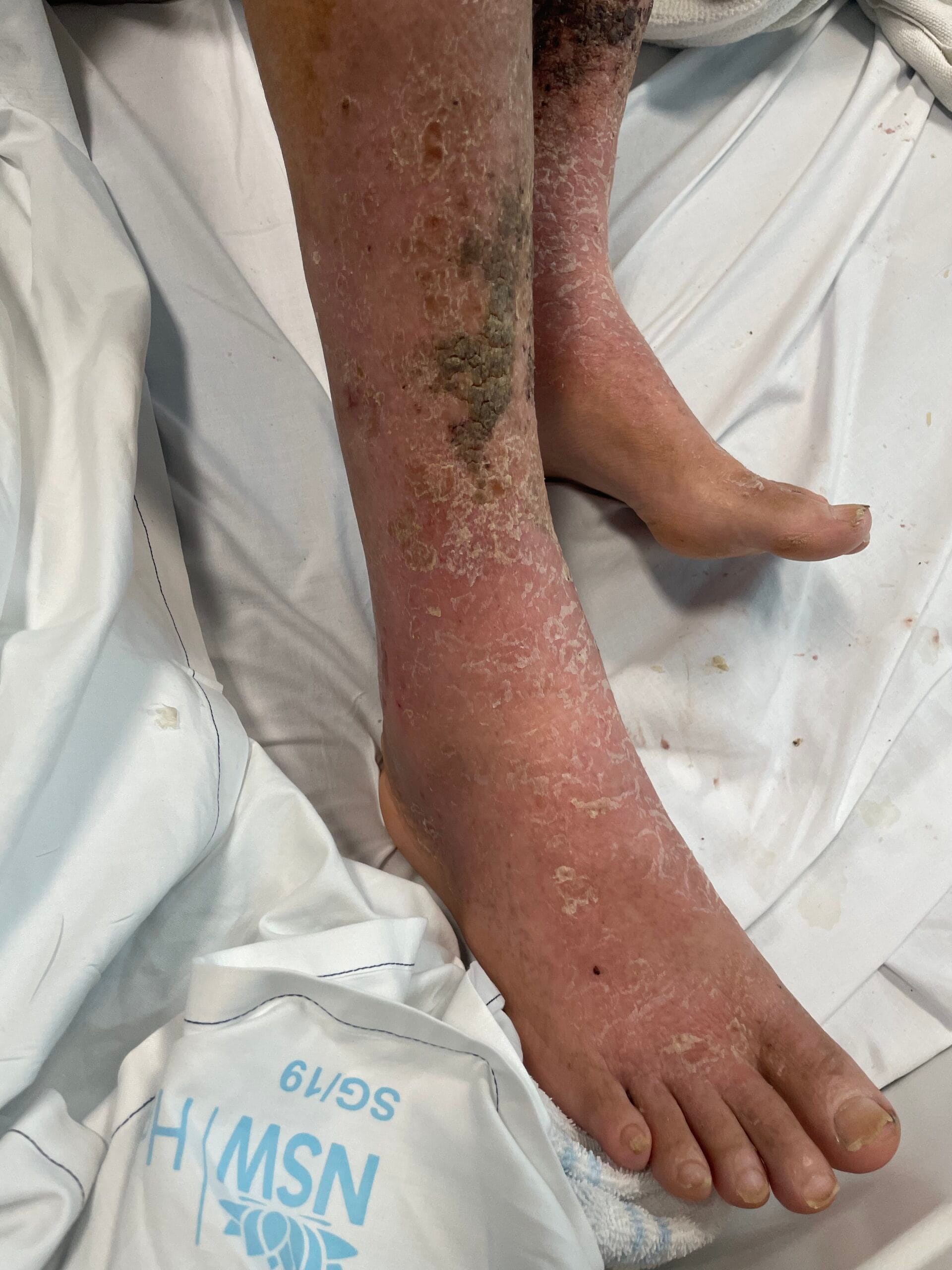
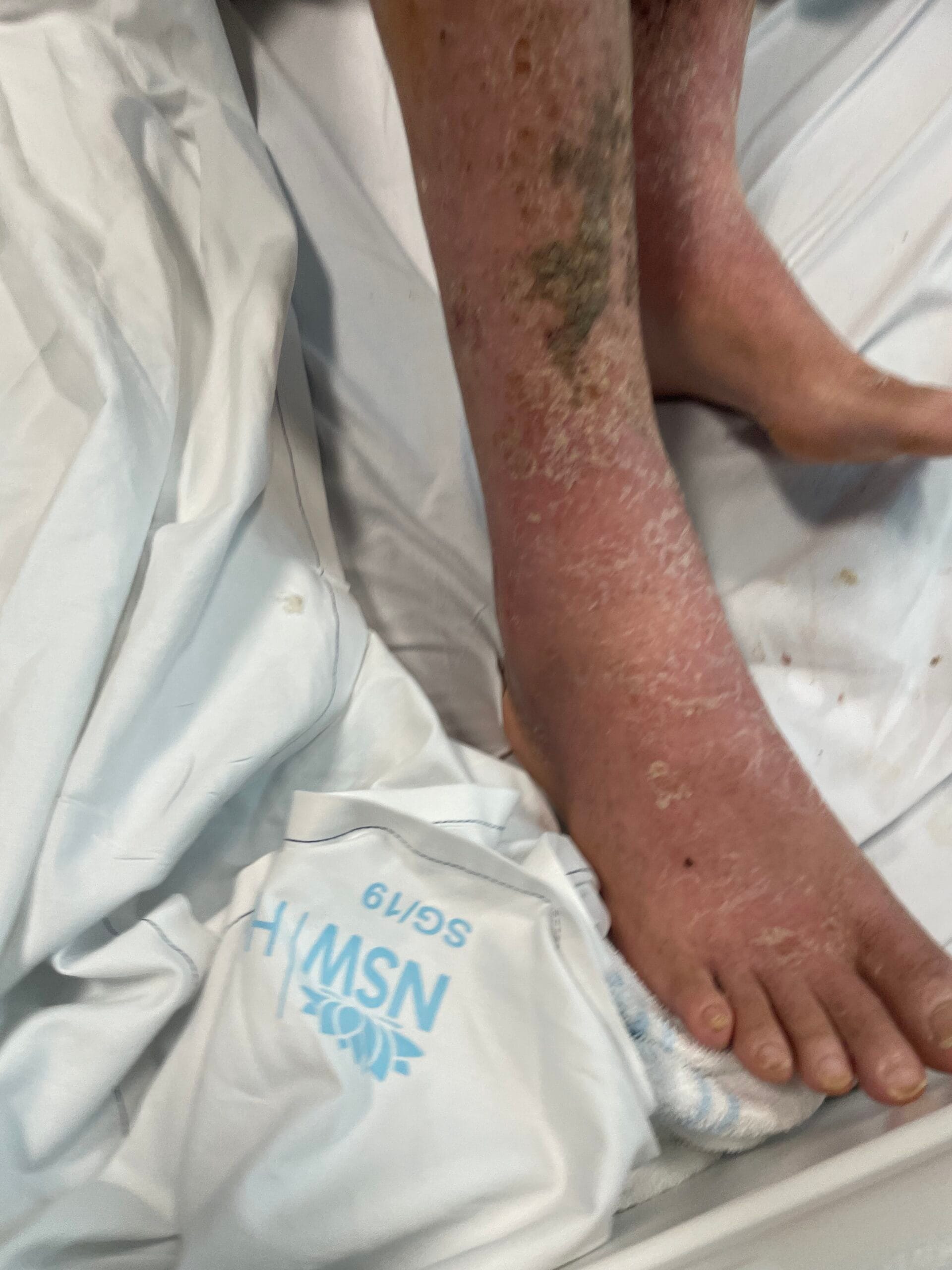
Main Article
History
The use of emollients in dermatological and wound care has a rich history that dates back to ancient civilizations. Early records indicate that natural oils and fats were utilized for skin protection and hydration, with ancient Egyptians using oils derived from plants like olive and sesame for their moisturizing properties. The evolution of emollients has been significantly influenced by advancements in chemistry and dermatological science, leading to the development of more sophisticated formulations that enhance skin barrier function and hydration. In the 19th century, the introduction of petroleum jelly marked a pivotal moment in emollient history, providing a stable and effective occlusive agent that is still widely used today (Puebla-Barragan et al., 2021; Moncrieff et al., 2013).
The 20th century saw a surge in research focused on the mechanisms of action of emollients, leading to a better understanding of their role in managing various skin conditions. The classification of emollients into occlusives, humectants, and emollients based on their mechanisms of action has allowed for more targeted therapeutic approaches in dermatology (Rachman et al., 2023; Madnani, 2024). Recent studies have further elucidated the importance of emollients in preventing and managing skin disorders, particularly in pediatric and geriatric populations, where skin barrier integrity is often compromised (Salam & Bhutta, 2013; Engebretsen et al., 2015).
Mechanism of Action
Emollients function primarily through three mechanisms: occlusion, humectancy, and restoration of the skin barrier. Occlusive agents, such as petroleum jelly, form a protective layer on the skin’s surface, significantly reducing transepidermal water loss (TEWL) and maintaining skin hydration (Ojo et al., 2017). Humectants, on the other hand, attract water from the environment or deeper skin layers to the outer skin, enhancing moisture retention (Madnani, 2024; Purnamawati et al., 2017).
Moreover, emollients often contain restorative ingredients that aid in repairing the skin barrier. For instance, formulations that include urea and ceramides have been shown to enhance the synthesis of essential proteins and lipids in the epidermis, thereby improving barrier function and overall skin health (Lee & Lee, 2014). The combination of these mechanisms makes emollients a cornerstone in the management of dry skin conditions, such as eczema and psoriasis, where maintaining skin hydration and barrier integrity is crucial (Zhang et al., 2023).
Clinical Uses
Emollients are widely used in clinical practice for the management of various dermatological conditions. In patients with atopic dermatitis, emollients are recommended as first-line therapy to alleviate dryness and prevent flare-ups (Kosse et al., 2018). Studies have shown that regular application of emollients can significantly reduce the severity of symptoms and improve the quality of life for individuals suffering from this chronic condition (Zhang et al., 2023).
In addition to atopic dermatitis, emollients are effective in managing psoriasis, xerosis, and other dry skin conditions. They help to soften scales and improve the overall appearance of the skin (Purnamawati et al., 2017; Thouvenin et al., 2018). Furthermore, emollients play a vital role in wound care, where they can facilitate healing by maintaining a moist environment, which is essential for optimal tissue regeneration (Thouvenin et al., 2018). The application of emollients in wound care has been shown to reduce the risk of infection and promote faster healing, particularly in chronic wounds (Man et al., 2015; Rojo-Pantoja, 2024).
Precautions for Use
While emollients are generally safe, there are important considerations for their effective and safe use. One of the primary concerns is the risk of occlusion, which can lead to skin irritation or exacerbation of certain conditions if used excessively (Moncrieff et al., 2013; Thouvenin et al., 2018). It is crucial for healthcare professionals to educate patients on the appropriate application techniques and frequency to minimize these risks (Moncrieff et al., 2013; Purnamawati et al., 2017).
Additionally, some emollients, particularly those that are oil-based, may pose a fire hazard due to their flammability (Moncrieff et al., 2013; Thouvenin et al., 2018). Patients should be advised to avoid exposure to open flames or heat sources immediately after application. Furthermore, healthcare providers should be aware of potential allergic reactions to specific ingredients in emollients, necessitating careful selection based on individual patient profiles (Moncrieff et al., 2013; Thouvenin et al., 2018).
In conclusion, emollients play a critical role in dermatological and wound care, with a well-established history, clear mechanisms of action, and diverse clinical applications. Their safe and effective use requires a thorough understanding of their properties, appropriate selection, and patient education to optimize therapeutic outcomes.
References:
Engebretsen, K., Linneberg, A., Thuesen, B., Szecsi, P., Stender, S., Menné, T., … & Thyssen, J. (2015). Xerosis is associated with asthma in men independent of atopic dermatitis and filaggrin gene mutations. Journal of the European Academy of Dermatology and Venereology, 29(9), 1807-1815. https://doi.org/10.1111/jdv.13051
Kosse, R., Bouvy, M., Daanen, M., Vries, T., & Koster, E. (2018). Adolescents’ perspectives on atopic dermatitis treatment—experiences, preferences, and beliefs. Jama Dermatology, 154(7), 824. https://doi.org/10.1001/jamadermatol.2018.1096
Lee, H. and Lee, S. (2014). Epidermal permeability barrier defects and barrier repair therapy in atopic dermatitis. Allergy Asthma and Immunology Research, 6(4), 276. https://doi.org/10.4168/aair.2014.6.4.276
Madnani, N. (2024). Revitalizing the skin: exploring the role of barrier repair moisturizers. Journal of Cosmetic Dermatology, 23(5), 1533-1540. https://doi.org/10.1111/jocd.16171
Man, G., Cheung, C., Crumrine, D., Hupe, M., Hill, Z., Man, M., … & Elias, P. (2015). An optimized inexpensive emollient mixture improves barrier repair in murine skin. Dermatologica Sinica, 33(2), 96-102. https://doi.org/10.1016/j.dsi.2015.03.010
Moncrieff, G., Cork, M., Lawton, S., Kokiet, S., Daly, C., & Clark, C. (2013). Use of emollients in dry-skin conditions: consensus statement. Clinical and Experimental Dermatology, 38(3), 231-238. https://doi.org/10.1111/ced.12104
Ojo, A., Ezekiel, O., Doyinsola, D., & Lara, O. (2017). Physicochemical properties and antimicrobial activities of soap formulations containing senna alata and eugenia uniflora leaf preparations. Journal of Medicinal Plants Research, 11(48), 778-787. https://doi.org/10.5897/jmpr2017.6515
Puebla-Barragan, S., Lamb, B., Jafelice, S., & Reid, G. (2021). Topical probiotics for women’s urogenital health: selection of an oil-based carrier. Obm Integrative and Complementary Medicine, 06(04), 1-1. https://doi.org/10.21926/obm.icm.2104040
Purnamawati, S., Indrastuti, N., Danarti, R., & Saefudin, T. (2017). The role of moisturizers in addressing various kinds of dermatitis: a review. Clinical Medicine & Research, 15(3-4), 75-87. https://doi.org/10.3121/cmr.2017.1363
Rachman, E., Soeratri, W., & M, N. (2023). Characteristics and physical stability of nanoemulsion as a vehicle for anti-aging cosmetics: a systematic review. Jurnal Farmasi Dan Ilmu Kefarmasian Indonesia, 10(1), 62-85. https://doi.org/10.20473/jfiki.v10i12023.62-85
Rojo-Pantoja, C. (2024). A protocol on nine measures for pressure ulcer prevention by nursing staff: a cohort study design. CIHR, 1(1). https://doi.org/10.24875/cihr.m24000005
Salam, R. and Bhutta, Z. (2013). Emollient therapy for preterm newborn infants – evidence from the developing world. BMC Public Health, 13(S3). https://doi.org/10.1186/1471-2458-13-s3-s31
Thouvenin, M., Bacquey, A., Nocera, T., & Rossi, A. (2018). Tolerability and efficacy of a medical device repairing emollient cream in adults with chronic hand dermatitis. Journal of Cosmetic Dermatology, 17(6), 1158-1164. https://doi.org/10.1111/jocd.12764
Zhang, J., Xu, X., Wang, X., Zhang, L., Hu, M., Le, Y., … & Zheng, J. (2023). Topical emollient prevents the development of atopic dermatitis and atopic march in mice. Experimental Dermatology, 32(7), 1007-1015. https://doi.org/10.1111/exd.14806