


Quick Overview
Associated References
Photo Gallery

Main Article
Introduction
Charcoal dressings have emerged as a significant innovation in wound care, particularly for managing malodorous wounds. Their unique properties and clinical applications have evolved over time, making them a valuable tool in modern healthcare settings. This resource aims to provide healthcare professionals with a comprehensive understanding of charcoal dressings, covering their history, mechanism of action, clinical uses, available brands, and precautions for safe and effective use.
History of Charcoal Dressings
The use of charcoal in medicine dates back centuries, primarily for its adsorptive properties in treating poisonings and gastrointestinal issues. However, its application in wound care began to gain traction in the late 20th century, particularly as a solution for odor management in chronic and infected wounds. Charcoal dressings were introduced to address the unpleasant odors associated with necrotic tissue and infection, which are common in conditions such as diabetic foot ulcers and malignant wounds (Janowska et al., 2021; Tsaia et al., 2014). Over the years, advancements in dressing technology have led to the development of various charcoal-based products that not only control odor but also promote healing by managing exudate and providing a moist wound environment (Hargis, 2024).
Mechanism of Action
Charcoal dressings function primarily through their adsorptive properties. Activated charcoal has a high surface area and porous structure, allowing it to adsorb a wide range of odor-causing compounds and toxins present in wound exudate (Lázaro‐Martínez et al., 2019; Park et al., 2018). This adsorption process helps to neutralize malodors, making the dressing particularly beneficial for patients with chronic wounds that produce significant odor. Additionally, charcoal dressings assist in exudate management by absorbing excess fluid, which helps to maintain a moist wound environment conducive to healing (Aksay et al., 2021). The combination of these properties not only enhances patient comfort but also reduces the frequency of dressing changes, thereby minimizing disruption to the wound healing process (Lustig & Gefen, 2021).
Clinical Uses
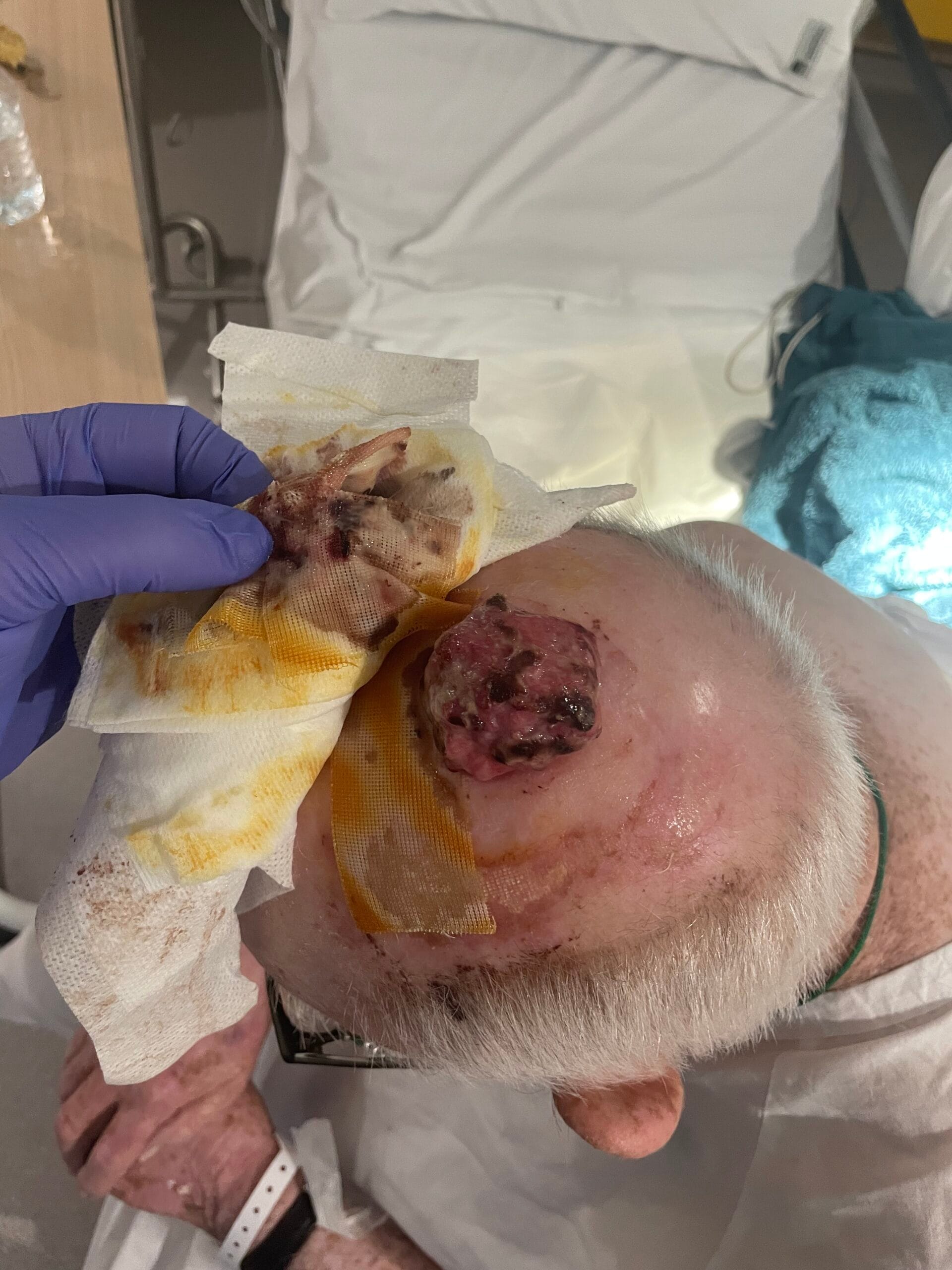
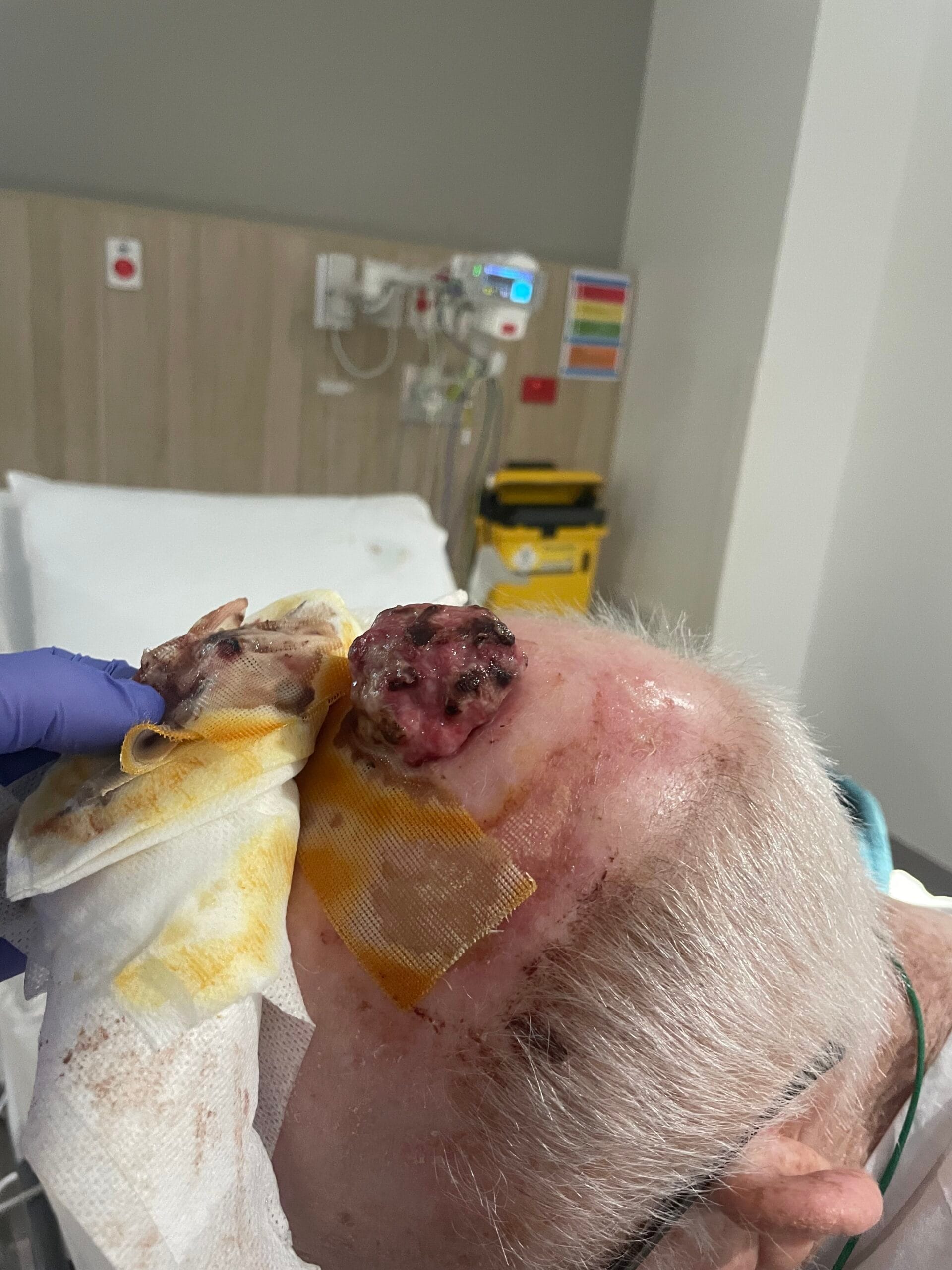
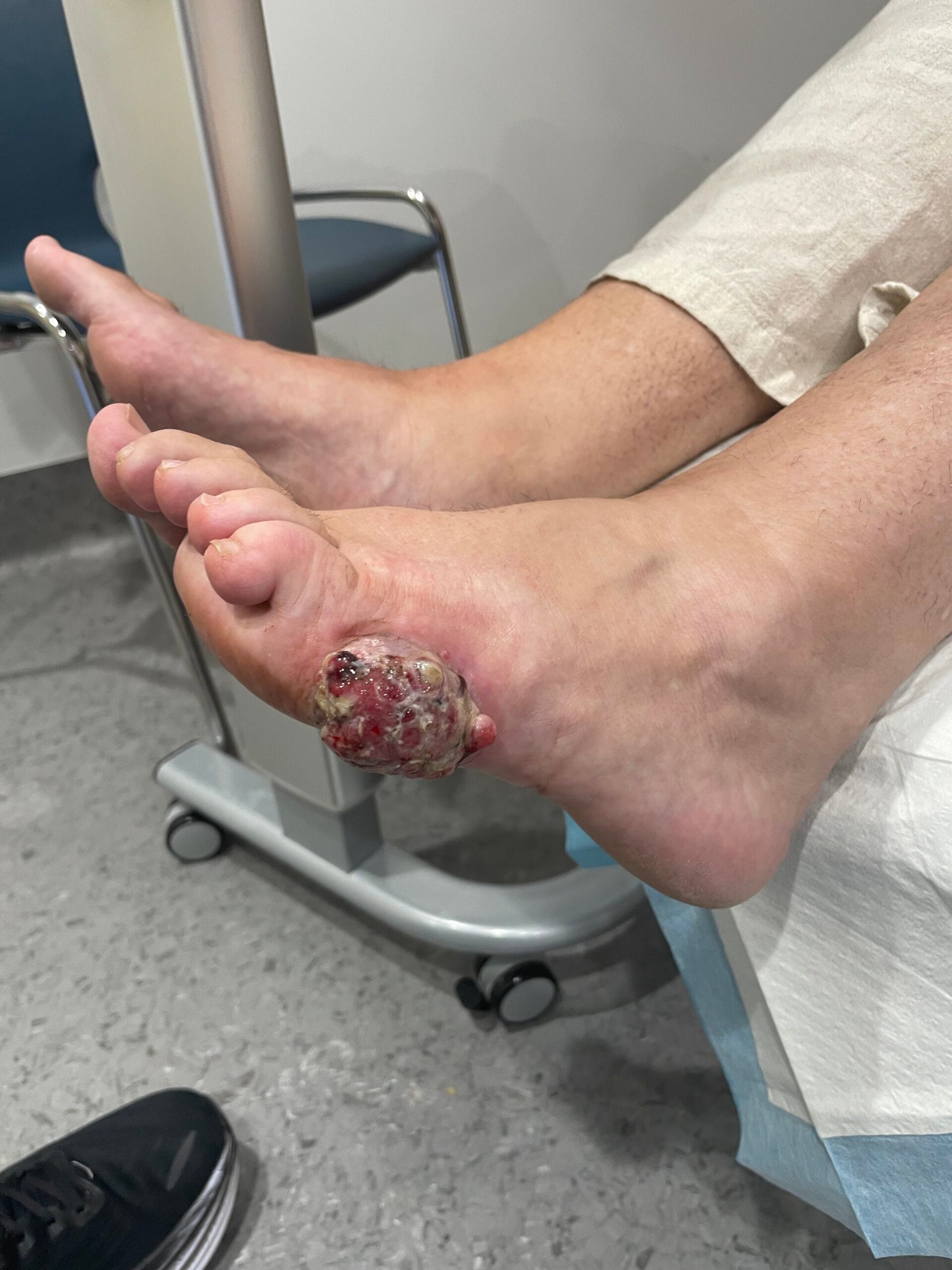
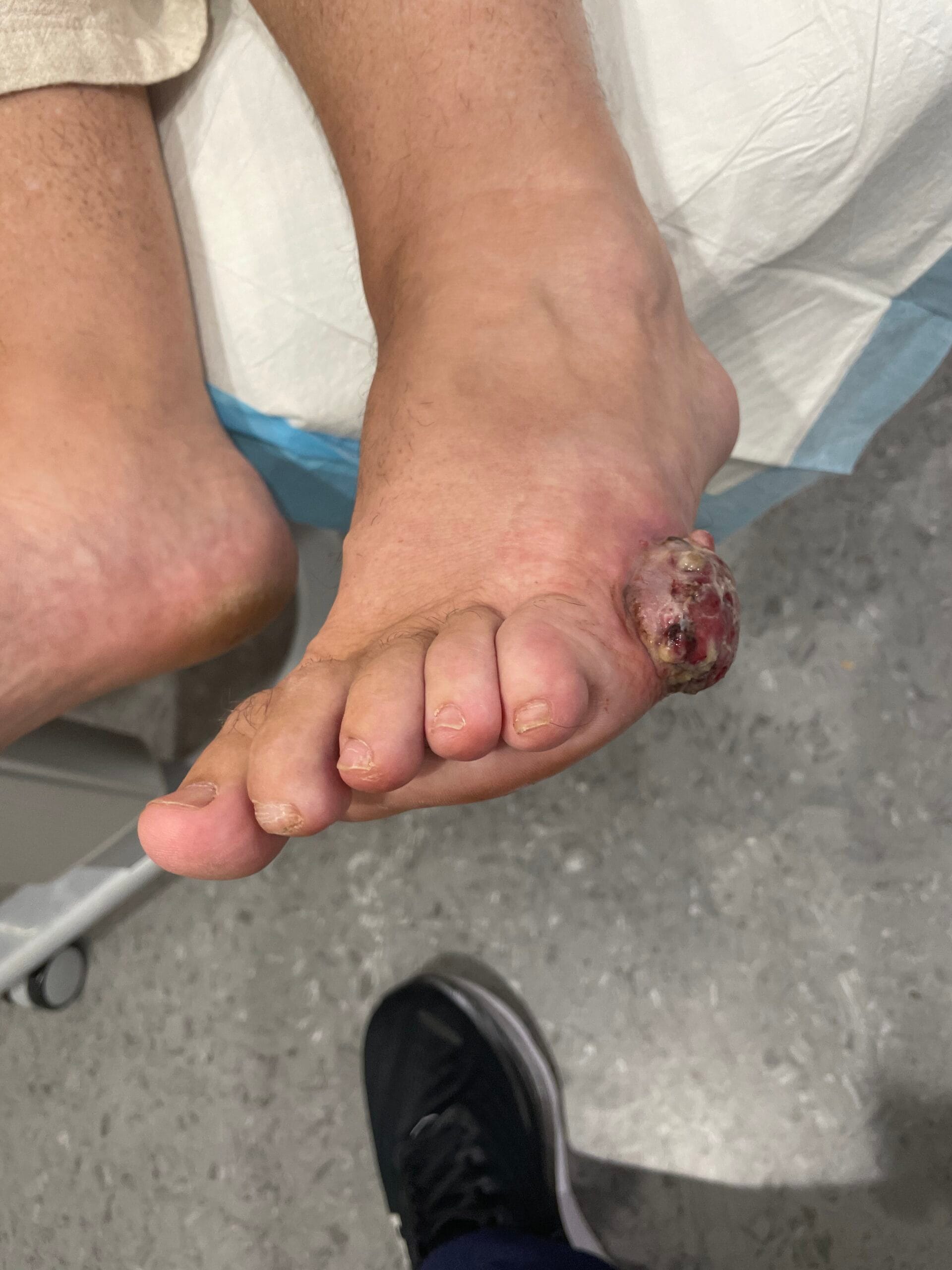
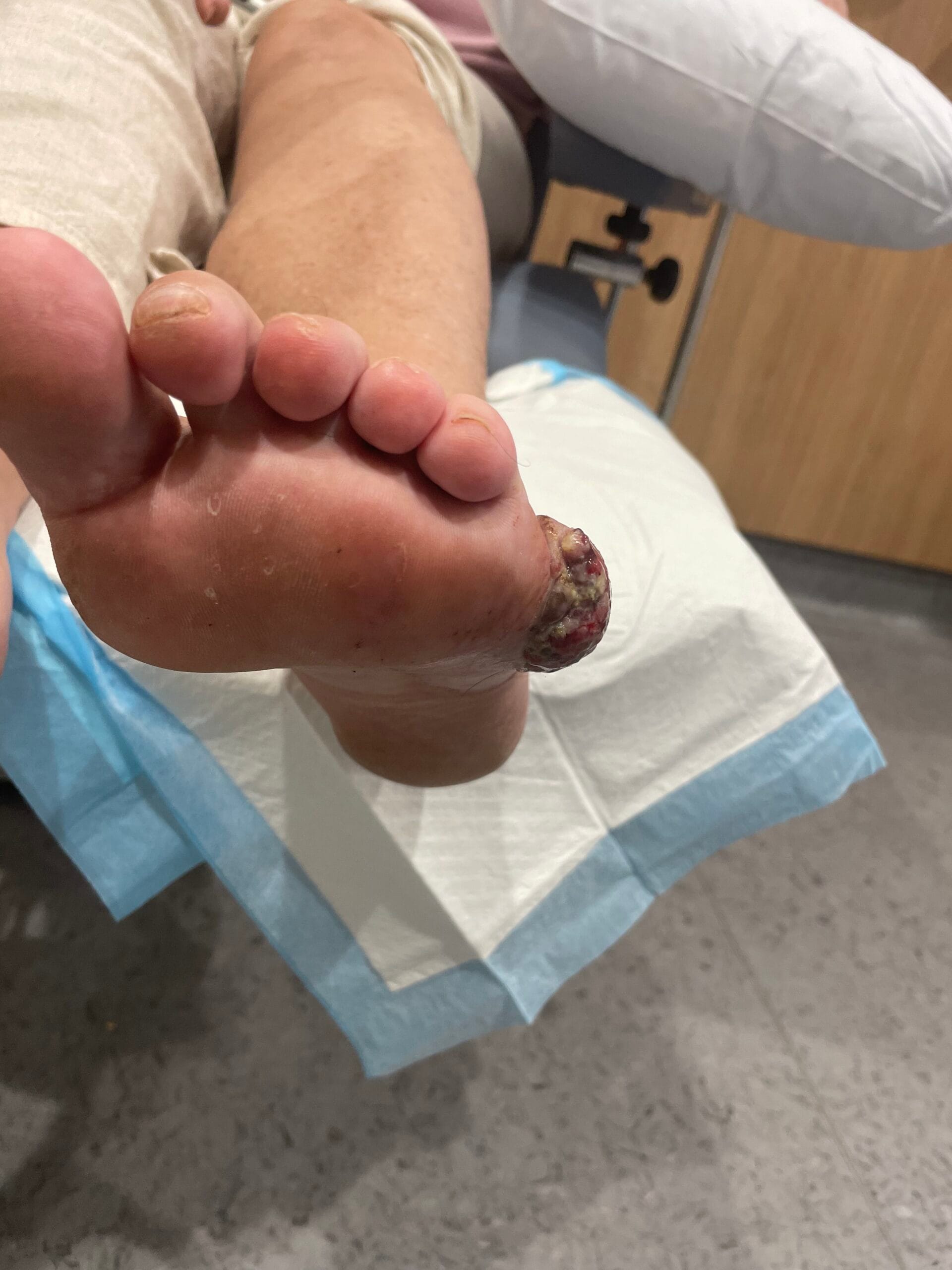
Charcoal dressings are particularly suitable for a variety of wound types, including malodorous wounds, chronic ulcers, and infected wounds. They have been shown to be effective in managing wounds associated with conditions such as venous leg ulcers, pressure ulcers, and fungating malignant wounds (Janowska et al., 2021; Tsaia et al., 2014). In cases of fungating wounds, charcoal dressings can significantly reduce odor and improve the quality of life for patients by addressing one of the most distressing symptoms associated with these types of wounds (Janowska et al., 2021). Furthermore, their ability to manage exudate makes them ideal for wounds that are highly exudative, as they help to prevent periwound skin breakdown and promote overall wound healing (Aksay et al., 2021).
Brands of Charcoal Dressing
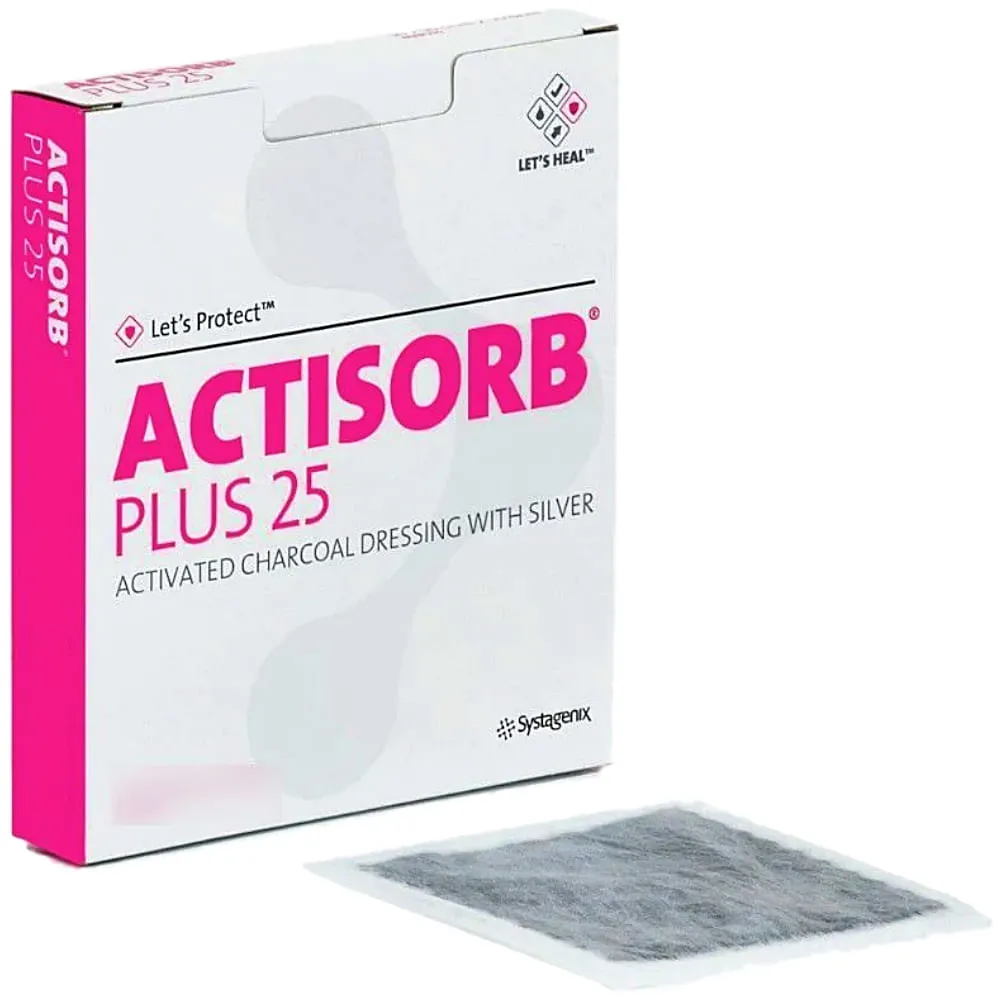
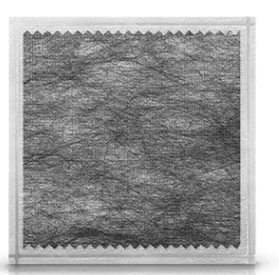
Several brands of charcoal dressings are available on the market, each with unique formulations and characteristics. Notable products include Actisorb, which combines activated charcoal with silver to enhance antimicrobial activity, and Carboflex, known for its high absorbency and odor control capabilities (Tsaia et al., 2014). These products are designed to cater to different clinical needs, providing healthcare professionals with options to suit various wound types and patient conditions. The selection of an appropriate charcoal dressing should be based on the specific characteristics of the wound, including the level of exudate and the presence of infection (Hargis, 2024).
Precautions for Use
While charcoal dressings offer numerous benefits, healthcare professionals must be aware of certain precautions to ensure safe and effective use. Contraindications include the use of charcoal dressings on dry or minimally exudative wounds, as they may lead to desiccation and delayed healing (Aksay et al., 2021). Additionally, caution should be exercised in patients with known allergies to charcoal or related compounds. Potential complications may include skin irritation or allergic reactions, which necessitate careful monitoring during use (Hargis, 2024). It is also essential to educate patients about the importance of regular dressing changes and proper wound care practices to optimize healing outcomes (Lustig & Gefen, 2021).
Conclusion
Charcoal dressings represent a valuable addition to the wound care arsenal, particularly for managing malodorous and exudative wounds. Their history, mechanism of action, clinical applications, and available products highlight their significance in modern healthcare. By understanding the appropriate use and precautions associated with charcoal dressings, healthcare professionals can enhance patient care and improve healing outcomes.
References:
- Aksay, E., Kaya, A., Gülen, M., Acehan, S., Isıkber, C., Şahin, G., … & Satar, S. (2021). Activated charcoal and poisoning: is it really effective?. American Journal of Therapeutics, 29(2), e182-e192. https://doi.org/10.1097/mjt.0000000000001422
- Hargis, A. (2024). Foam dressings for wound healing. Current Dermatology Reports, 13(1), 28-35. https://doi.org/10.1007/s13671-024-00422-2
- Janowska, A., Davini, G., Dini, V., Iannone, M., Morganti, R., & Romanelli, M. (2021). Local management of malignant and unresectable fungating wounds: pebo assessment. The International Journal of Lower Extremity Wounds, 23(2), 320-325. https://doi.org/10.1177/15347346211053478
- Lustig, A. and Gefen, A. (2021). Fluid management and strength postsimulated use of primary and secondary dressings for treating diabetic foot ulcers: robotic phantom studies. International Wound Journal, 19(2), 305-315. https://doi.org/10.1111/iwj.13631
- Lázaro‐Martínez, J., Álvaro‐Afonso, F., Fernández, D., Molines-Barroso, R., García‐Álvarez, Y., & García-Morales, E. (2019). Clinical and antimicrobial efficacy of a silver foam dressing with silicone adhesive in diabetic foot ulcers with mild infection. The International Journal of Lower Extremity Wounds, 18(3), 269-278. https://doi.org/10.1177/1534734619866610
- Park, S., Lee, H., Shin, J., You, K., Lee, S., & Jung, E. (2018). Clinical effects of activated charcoal unavailability on treatment outcomes for oral drug poisoned patients. Emergency Medicine International, 2018, 1-9. https://doi.org/10.1155/2018/4642127
- Tsaia, C., Hsua, H., & Lina, C. (2014). Treatment of chronic wounds with the silver-containing activated carbon fiber dressing: three cases. Journal of Medical Cases, 5(11), 587-591. https://doi.org/10.14740/jmc1960w