


Associated References
Photo Gallery
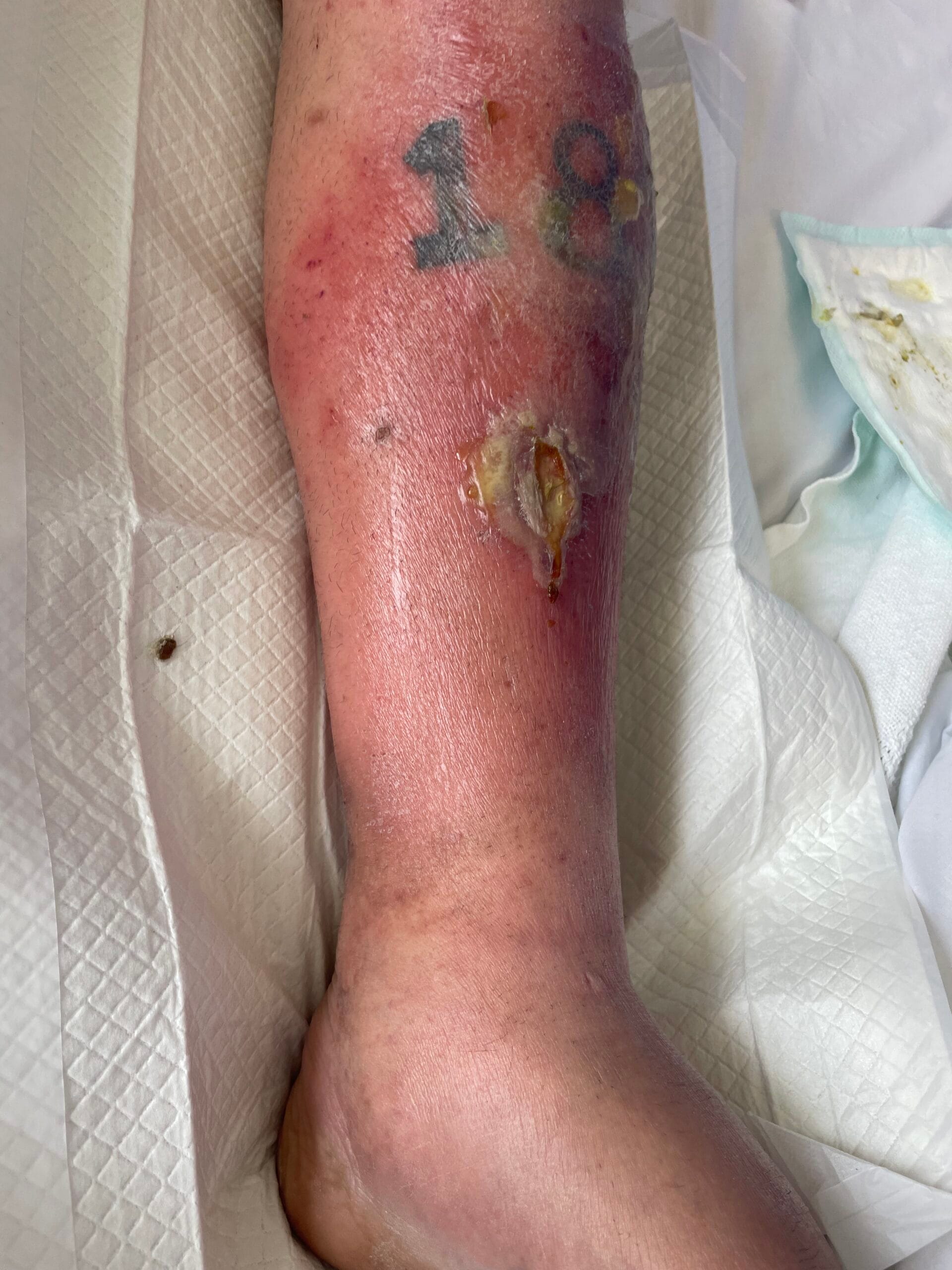
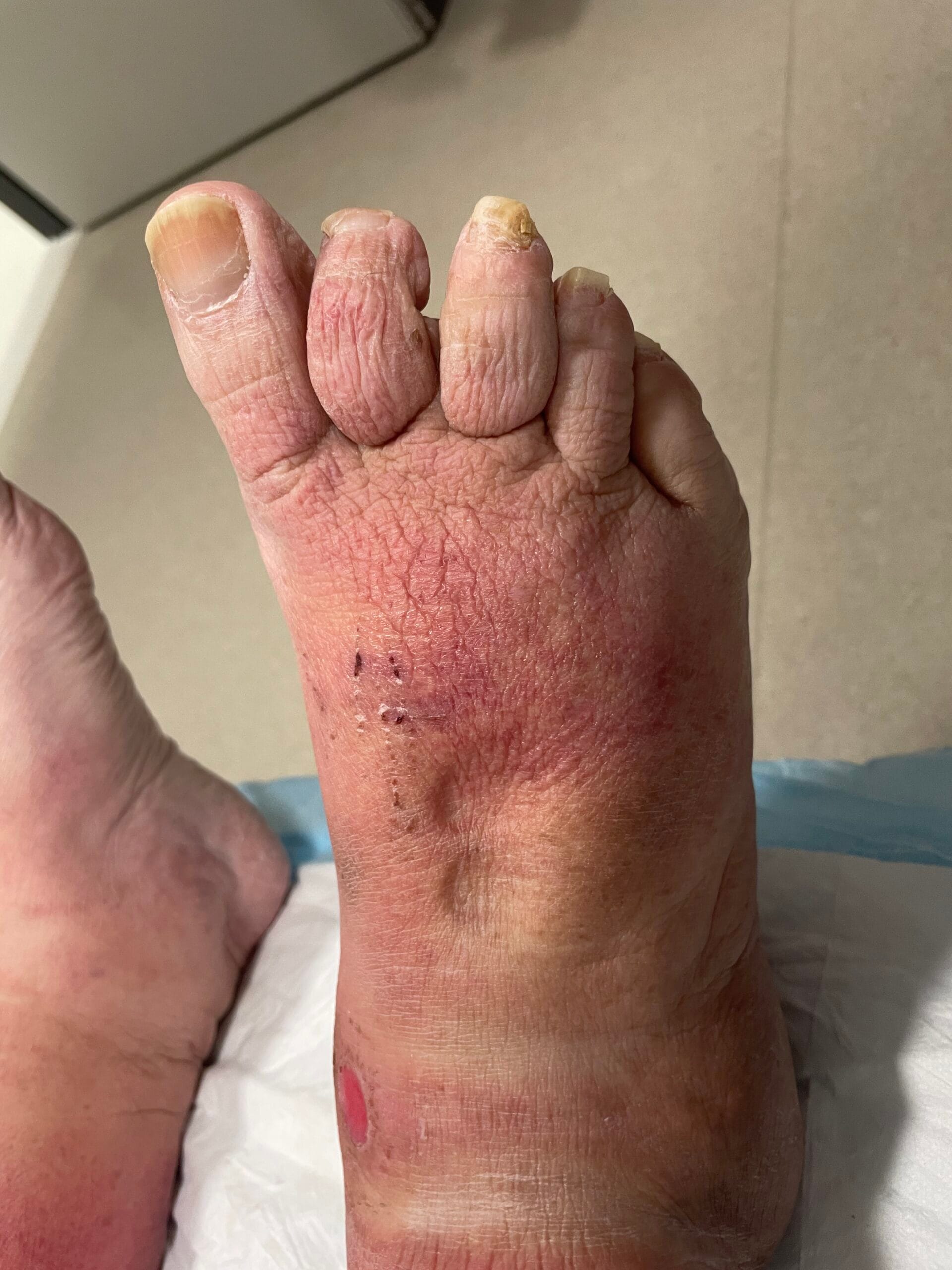
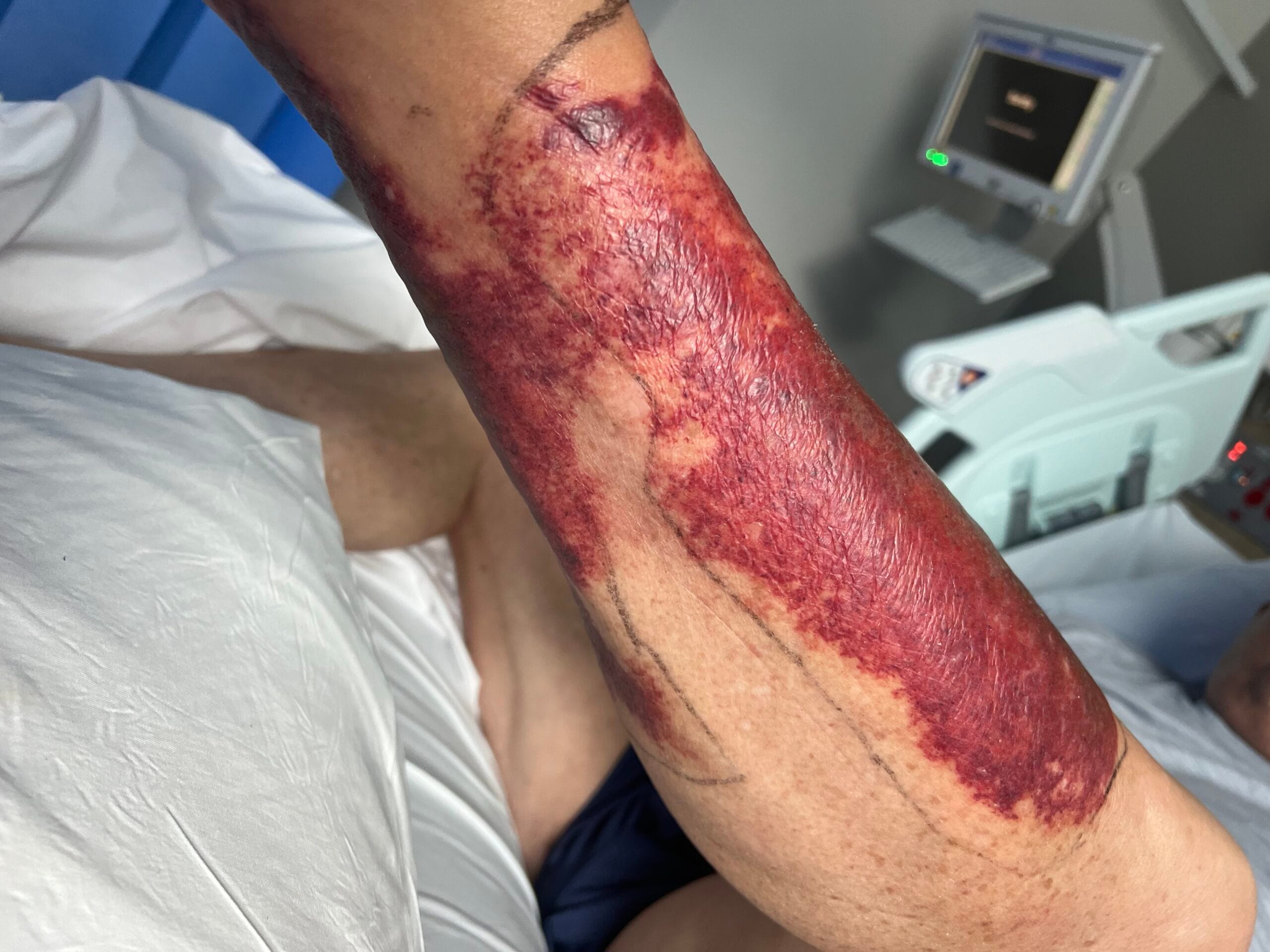
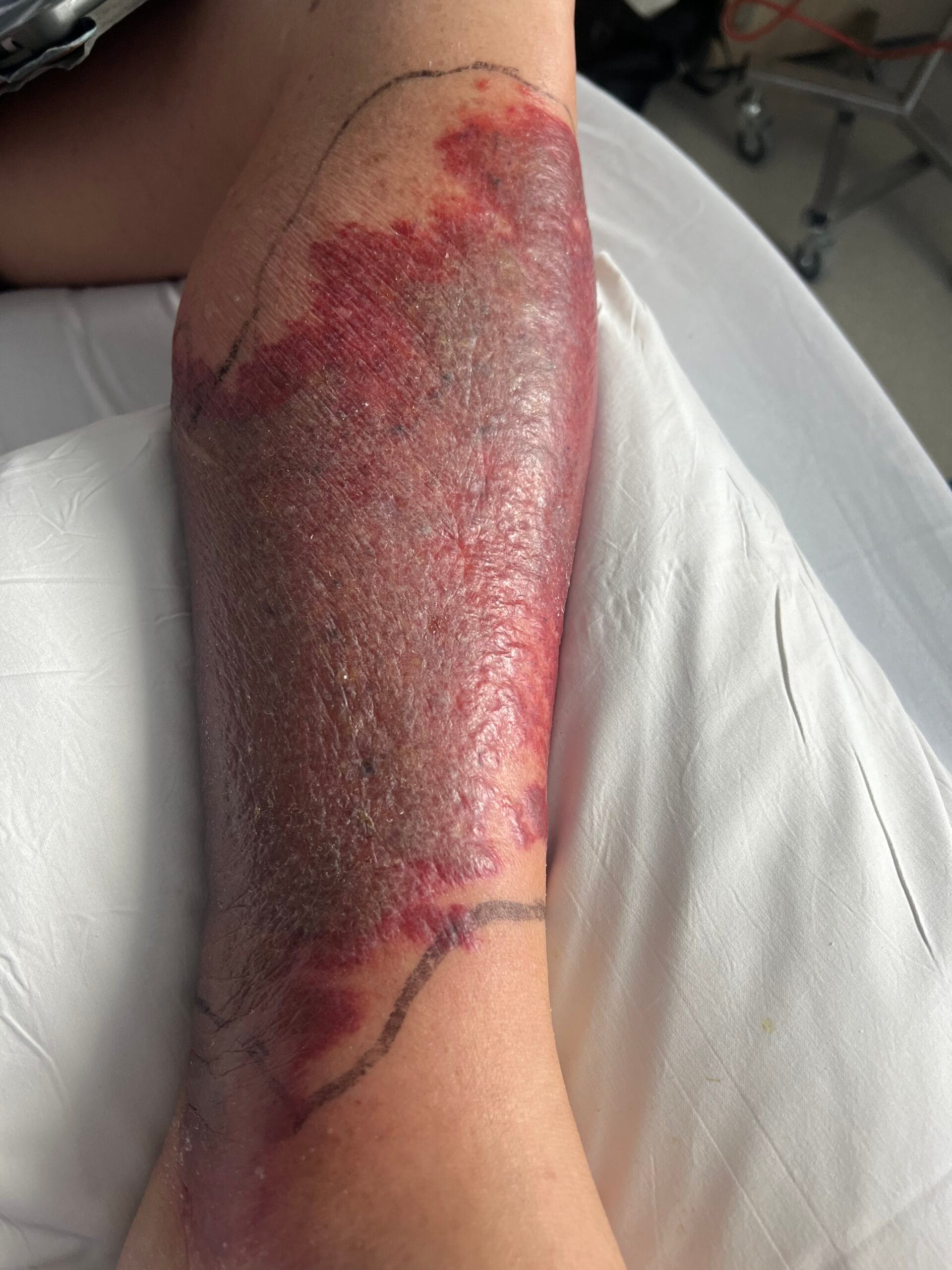
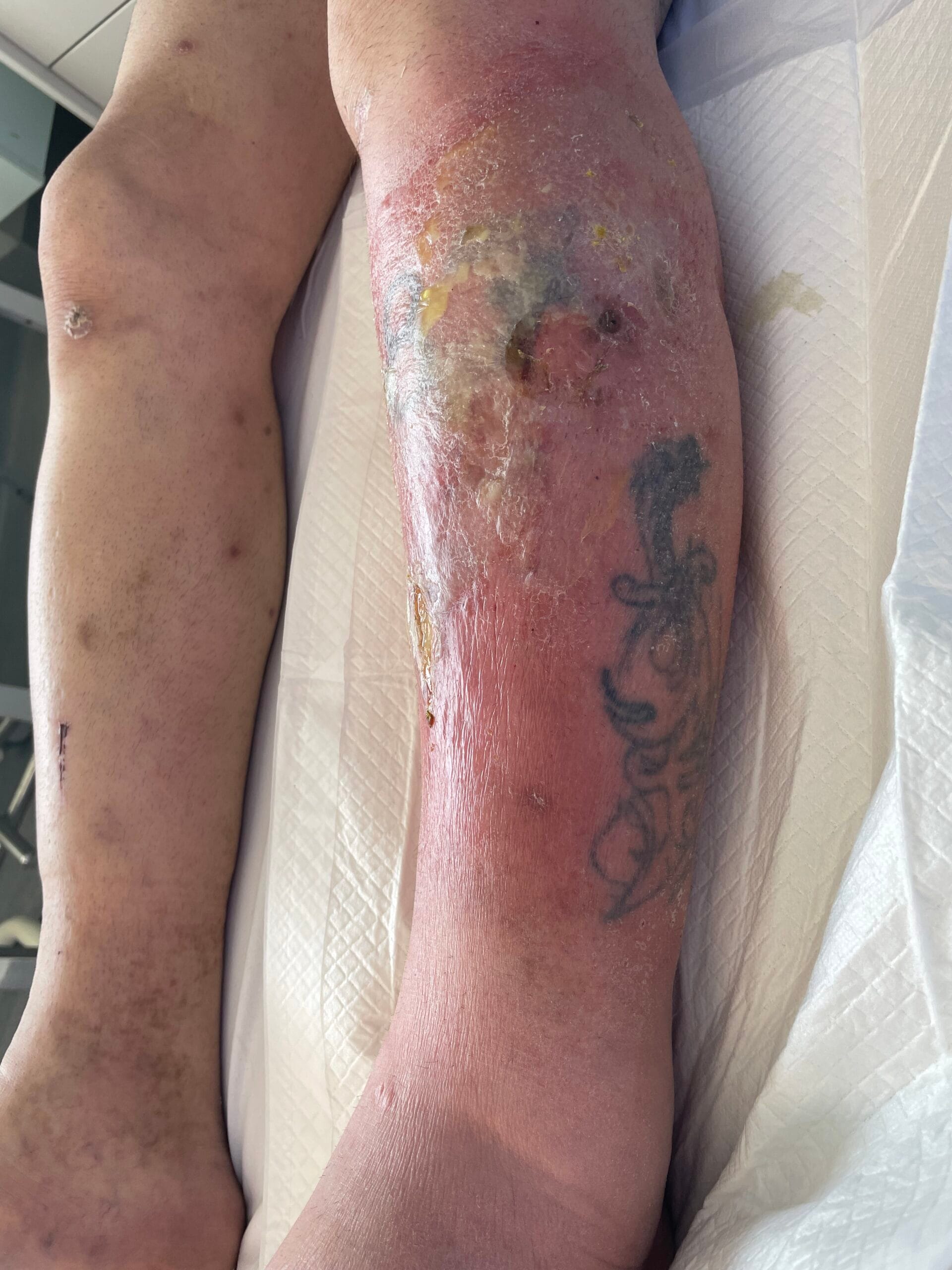
Main Article
Aetiology
Cellulitis is primarily caused by bacterial infections, predominantly by Staphylococcus aureus and Streptococcus pyogenes. These bacteria typically enter the body through breaks in the skin, such as cuts, surgical wounds, or insect bites, leading to inflammation of the dermis and subcutaneous tissues (Hemalatha et al., 2021; Ong et al., 2022). The pathophysiological process begins with the invasion of bacteria, which triggers an immune response characterized by the recruitment of neutrophils and macrophages to the site of infection. This immune response is crucial for controlling the infection but can also lead to tissue damage if uncontrolled (Huang et al., 2023). Additionally, underlying conditions such as diabetes mellitus, chronic venous insufficiency, and lymphedema significantly increase susceptibility to cellulitis due to compromised skin integrity and immune function (Ong et al., 2022; Wiggins & Polsky, 2021).
Prevalence
Recent studies indicate that cellulitis is a common condition, with an estimated incidence rate ranging from 3% to 20% in various populations (Jiang et al., 2022; Mortimer, 2021). It is particularly prevalent in individuals with chronic edema or lymphedema, where the risk of developing cellulitis is markedly heightened due to impaired lymphatic drainage (Mortimer, 2021). Furthermore, cellulitis accounts for a significant number of hospital admissions, often ranking among the top ten reasons for such admissions in dermatological practice (Wiggins & Polsky, 2021; Mortimer, 2021). The increasing prevalence of obesity and diabetes in the global population further exacerbates the incidence of cellulitis, as these conditions are closely linked to skin infections (Ong et al., 2022; Wiggins & Polsky, 2021).
Pathophysiological Changes
The pathophysiology of cellulitis involves a complex interplay between the invading pathogens and the host’s immune response. Upon bacterial invasion, the body initiates an inflammatory response, leading to the release of pro-inflammatory cytokines and chemokines that recruit immune cells to the site of infection (Huang et al., 2023). This response results in the classic signs of inflammation: redness, swelling, heat, and pain. In severe cases, the infection can lead to systemic manifestations such as fever and chills, indicating a more widespread inflammatory response (Hemalatha et al., 2021; Ong et al., 2022). Chronic cellulitis can lead to recurrent episodes, which may cause long-term damage to the lymphatic system, further complicating the clinical picture and increasing the risk of future infections (Huang et al., 2023; Ong et al., 2022).
Treatments
Current evidence-based treatment options for cellulitis primarily include antibiotic therapy, with the choice of antibiotics guided by the severity of the infection and the patient’s clinical status. For mild cases, oral antibiotics such as cephalexin or dicloxacillin are often sufficient (Ong et al., 2022; Shih et al., 2022). In more severe cases, intravenous antibiotics may be necessary, particularly if the patient exhibits systemic symptoms or has significant comorbidities (Ong et al., 2022; Shih et al., 2022). Recent studies have also explored the role of prophylactic antibiotics in patients with recurrent cellulitis, suggesting that monthly prophylactic regimens can significantly reduce recurrence rates (Huang et al., 2023). Additionally, supportive measures such as elevation of the affected limb and pain management are critical components of the treatment plan (Hemalatha et al., 2021; Ong et al., 2022).
Precautions with Treatments
While antibiotic therapy is generally effective, clinicians must be aware of potential precautions and contraindications. For instance, certain antibiotics may be contraindicated in patients with known allergies or specific comorbidities, such as renal impairment (Ong et al., 2022; Shih et al., 2022). Furthermore, the emergence of antibiotic-resistant strains, particularly methicillin-resistant Staphylococcus aureus (MRSA), necessitates careful selection of antibiotics and consideration of local resistance patterns (Shih et al., 2022). It is also essential to monitor patients for signs of treatment failure, which may indicate the need for a change in therapeutic strategy or further investigation into underlying conditions (Ong et al., 2022; Shih et al., 2022).
Diagnostic Tests Available
The diagnosis of cellulitis is primarily clinical, based on the characteristic signs and symptoms. However, in atypical cases or when the diagnosis is uncertain, additional diagnostic tests may be warranted. These can include blood cultures, imaging studies such as ultrasound or CT scans, and, in some cases, biopsy of the affected area to rule out other conditions (Jiang et al., 2022; Huang et al., 2023). The use of imaging is particularly important in cases where abscess formation is suspected, as this may require surgical intervention (Jiang et al., 2022; Huang et al., 2023). Laboratory tests may also be utilized to assess inflammatory markers, such as C-reactive protein (CRP) and white blood cell counts, which can provide additional information regarding the severity of the infection (Huang et al., 2023; Ong et al., 2022).
Contributing Factors
Several factors contribute to the risk of developing cellulitis, which can be categorized into modifiable and non-modifiable factors. Non-modifiable factors include age, gender, and genetic predisposition, with older adults and individuals with a history of skin infections being at higher risk (Huang et al., 2023; Ong et al., 2022). Modifiable factors encompass conditions such as obesity, diabetes, and chronic venous insufficiency, which can be managed through lifestyle changes and medical interventions (Ong et al., 2022; Wiggins & Polsky, 2021). Furthermore, maintaining skin integrity through proper wound care and hygiene practices is crucial in preventing cellulitis, particularly in individuals with known risk factors (Hemalatha et al., 2021; Ong et al., 2022).
Conclusion
Cellulitis remains a significant clinical challenge for health clinicians, necessitating a comprehensive understanding of its aetiology, prevalence, pathophysiological mechanisms, treatment options, and associated precautions. By recognizing the contributing factors and employing evidence-based strategies, healthcare professionals can effectively manage cellulitis and mitigate its impact on affected individuals.
References:
- Hemalatha, C., Jagadeesan, B., Janani, N., A, A., Harinathan, R., & Harikrishnan, N. (2021). A review study on cellulitis. International Journal of Research in Pharmaceutical Sciences, 12(2), 1552-1558. https://doi.org/10.26452/ijrps.v12i2.4739
- Huang, Y., Tang, H., & Hsu, H. (2023). The impact of monthly prophylactic antibiotics use in patients with recurrent cellulitis: a 20-year population-based cohort study in a medical center. Infection and Drug Resistance, Volume 16, 3819-3827. https://doi.org/10.2147/idr.s393919
- Jiang, L., Gao, J., Wang, P., & Liu, Y. (2022). Relapsing cellulitis associated with campylobacter coli bacteremia in a good’s syndrome patient: a case report. BMC Infectious Diseases, 22(1). https://doi.org/10.1186/s12879-022-07324-3
- Mortimer, P. (2021). Cellulitis in chronic oedema. British Journal of Dermatology, 185(1), 10-11. https://doi.org/10.1111/bjd.20047
- Ong, B., Dotel, R., & Ngian, V. (2022). Recurrent cellulitis: who is at risk and how effective is antibiotic prophylaxis?. International Journal of General Medicine, Volume 15, 6561-6572. https://doi.org/10.2147/ijgm.s326459
- Shih, E., Chen, J., Tsai, P., Lin, M., & Bee, Y. (2022). Antibiotic choices for pediatric periorbital cellulitis—a 20-year retrospective study from taiwan. Antibiotics, 11(10), 1288. https://doi.org/10.3390/antibiotics11101288
- Wiggins, J. and Polsky, D. (2021). Melanoma origins: data from early‐stage tumours supports de novo and naevus‐associated melanomas as distinct subtypes. British Journal of Dermatology, 185(1), 9-10. https://doi.org/10.1111/bjd.20396