


Associated References
Photo Gallery
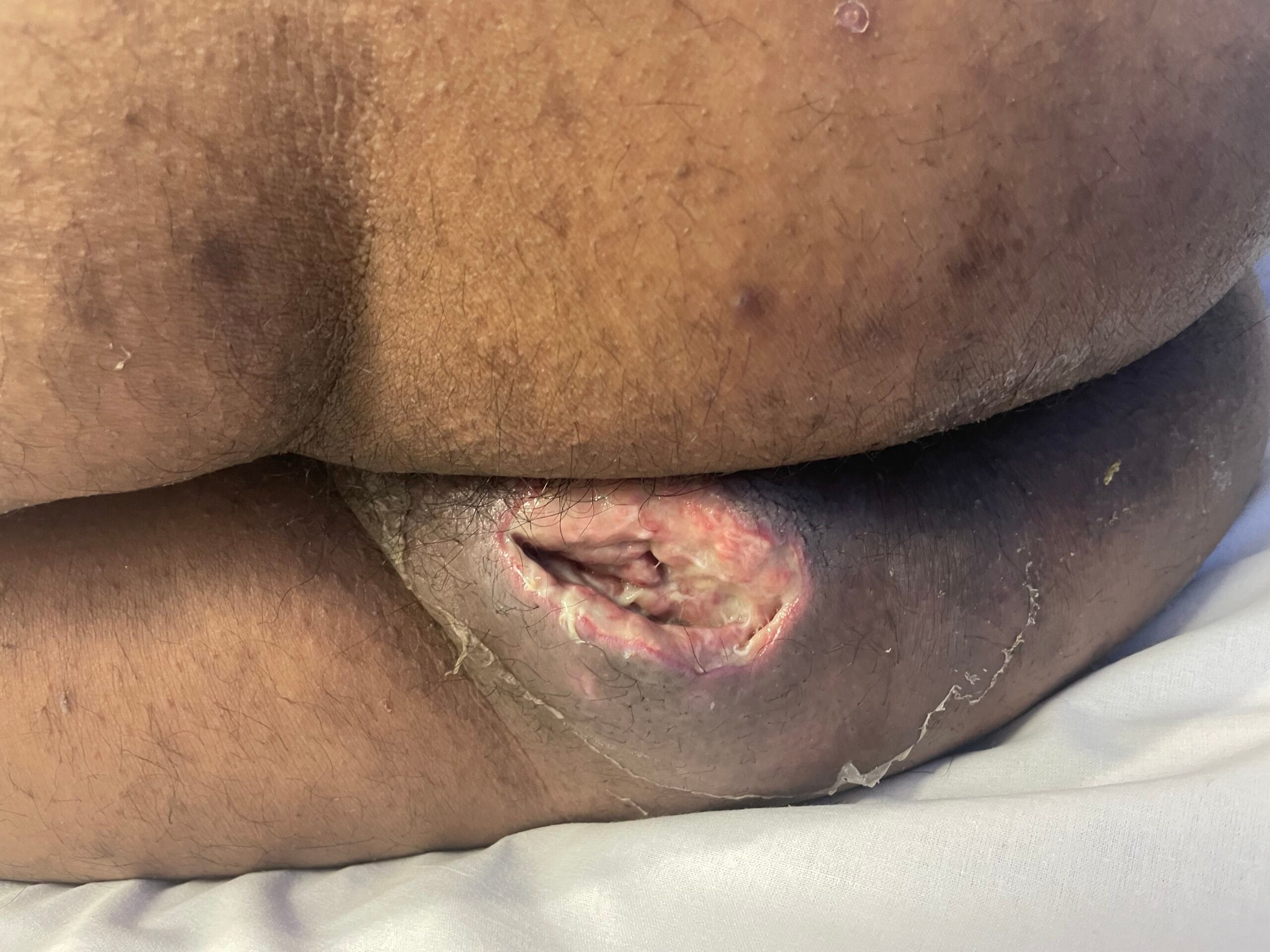
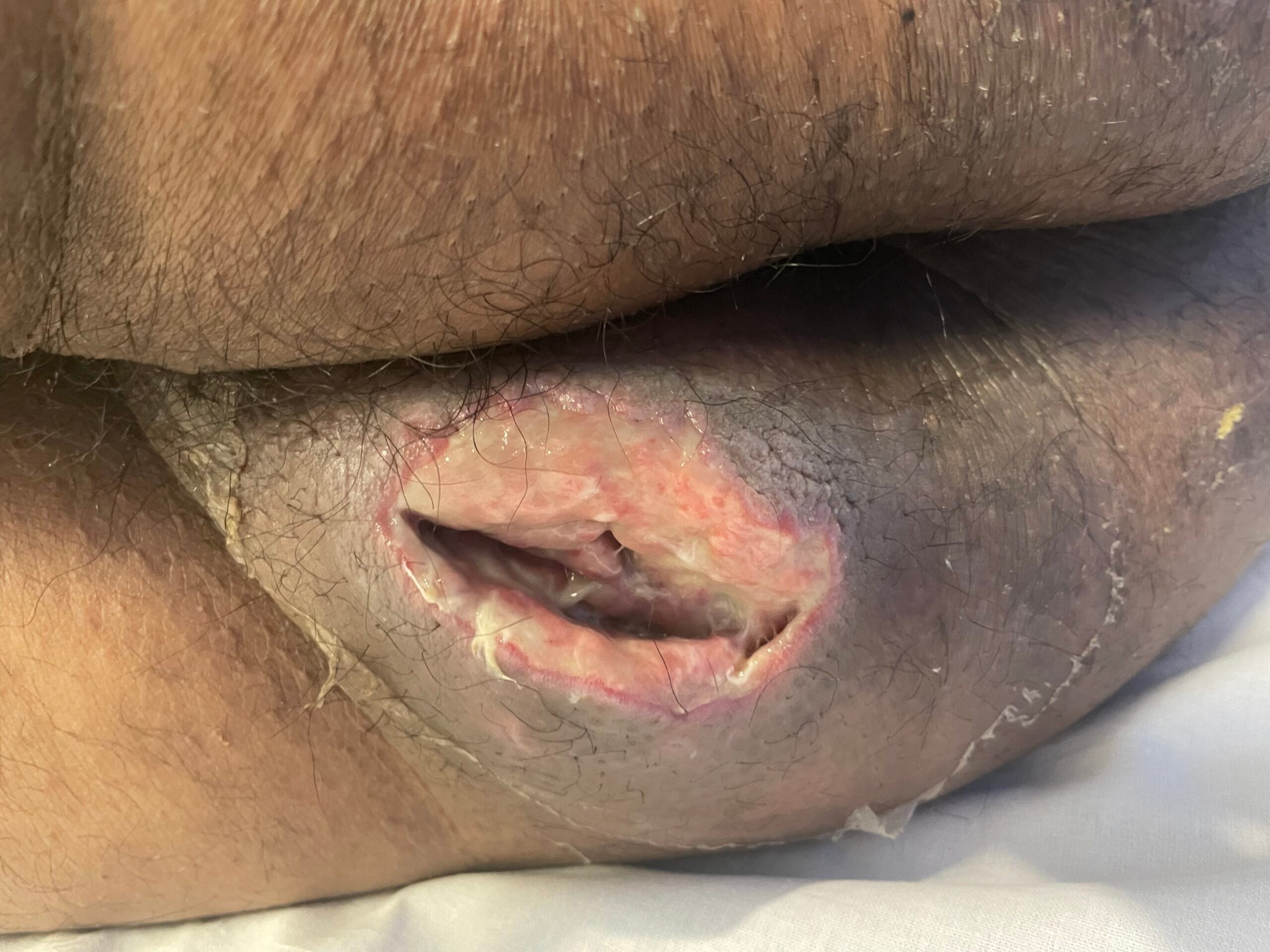
Main Article
Aetiology
Boils, also known as furuncles, and carbuncles are primarily caused by bacterial infections, predominantly from Staphylococcus aureus. This bacterium is a common skin inhabitant that can lead to infections when it enters through hair follicles or breaks in the skin (Waryah et al., 2016; Mandal et al., 2016). The virulence factors of S. aureus, including its ability to adhere to host tissues and evade the immune response, play a crucial role in the development of these infections (Foster et al., 2013). Other contributing factors include poor hygiene, skin conditions, and immunocompromised states, which can predispose individuals to these infections (Shallcross et al., 2015; Bilal et al., 2023).
Pathophysiological Changes
The pathophysiology of boils and carbuncles involves the obstruction of hair follicles, leading to inflammation and the formation of pus. The initial infection triggers an inflammatory response, characterized by the recruitment of neutrophils and the release of pro-inflammatory cytokines, which contribute to the formation of a painful, swollen lesion (Bilal et al., 2023). As the infection progresses, the accumulation of pus can lead to the formation of a carbuncle, which is essentially a cluster of interconnected boils. The systemic effects of these infections can include fever and malaise, particularly in cases of severe infection (Waryah et al., 2016; Shallcross et al., 2015).
Treatments
Current evidence-based treatment options for boils and carbuncles include incision and drainage for larger lesions, as well as antibiotic therapy for those with systemic symptoms or recurrent infections (Bilal et al., 2023; Lin et al., 2018). Antibiotics such as cephalexin or clindamycin are commonly prescribed, depending on the sensitivity of the S. aureus strain involved (Lin et al., 2018). In cases of recurrent infections, addressing underlying conditions such as diabetes or immunosuppression is crucial (Bilal et al., 2023; Lin et al., 2018).
Precautions with Treatments
While treating boils and carbuncles, clinicians must consider specific precautions and contraindications. For instance, patients with a history of allergic reactions to antibiotics should be carefully evaluated before prescribing (Bilal et al., 2023). Additionally, improper drainage techniques can lead to complications such as scarring or the spread of infection (Bilal et al., 2023; Lin et al., 2018). It is also essential to educate patients on proper wound care and hygiene practices to prevent recurrence (Bilal et al., 2023).
Diagnostic Tests Available
The diagnosis of boils and carbuncles is primarily clinical, based on the appearance of the lesions and associated symptoms. However, laboratory tests may be warranted in recurrent cases or when systemic symptoms are present. Culturing pus from the lesion can help identify the causative organism and determine antibiotic sensitivity (Bilal et al., 2023; Lin et al., 2018). Blood tests may also be conducted to assess for systemic infection or underlying conditions (Bilal et al., 2023).
Contributing Factors
Several factors contribute to the development of boils and carbuncles, which can be categorized as modifiable and non-modifiable. Modifiable factors include poor hygiene practices, obesity, and smoking, all of which can increase the risk of skin infections (Shallcross et al., 2015; Bilal et al., 2023). Non-modifiable factors include genetic predisposition and certain medical conditions, such as diabetes, which can impair immune function (Shallcross et al., 2015; Bilal et al., 2023). Understanding these factors is essential for clinicians to provide comprehensive care and preventive strategies for at-risk populations (Bilal et al., 2023).
Conclusion
In summary, boils and carbuncles represent significant clinical challenges for health clinicians. A thorough understanding of their aetiology, prevalence, pathophysiological mechanisms, treatment options, precautions, diagnostic methods, and contributing factors is essential for effective management. By synthesizing current evidence-based practices, clinicians can enhance patient outcomes and reduce the incidence of these common skin infections.
References:
- Bilal, H., Bakhsh, I., Lutfi, I., Gul, S., Komal, K., & Hussain, T. (2023). Comparison of deroofing and cruciate incision for carbuncles. PJMHS, 17(4), 550-553. https://doi.org/10.53350/pjmhs2023174550
- Foster, T., Geoghegan, J., Ganesh, V., & Höök, M. (2013). Adhesion, invasion and evasion: the many functions of the surface proteins of staphylococcus aureus. Nature Reviews Microbiology, 12(1), 49-62. https://doi.org/10.1038/nrmicro3161
- Lin, H., Lin, P., Tsai, Y., Wang, S., & Chi, C. (2018). Interventions for bacterial folliculitis and boils (furuncles and carbuncles). Cochrane Database of Systematic Reviews. https://doi.org/10.1002/14651858.cd013099
- Mandal, S., Mahapa, A., Biswas, A., Jana, B., Polley, S., Sau, K., … & Sau, S. (2016). A surfactant-induced functional modulation of a global virulence regulator from staphylococcus aureus. Plos One, 11(3), e0151426. https://doi.org/10.1371/journal.pone.0151426
- Shallcross, L., Hayward, A., Johnson, A., & Petersen, I. (2015). Incidence and recurrence of boils and abscesses within the first year: a cohort study in uk primary care. British Journal of General Practice, 65(639), e668-e676. https://doi.org/10.3399/bjgp15x686929
- Waryah, C., Gogoi-Tiwari, J., Wells, K., Eto, K., Masoumi, E., Costantino, P., … & Mukkur, T. (2016). Diversity of virulence factors associated with west australian methicillin-sensitivestaphylococcus aureusisolates of human origin. Biomed Research International, 2016, 1-10. https://doi.org/10.1155/2016/8651918