


Associated References
Associated Care Plans/Tutorials
Photo Gallery
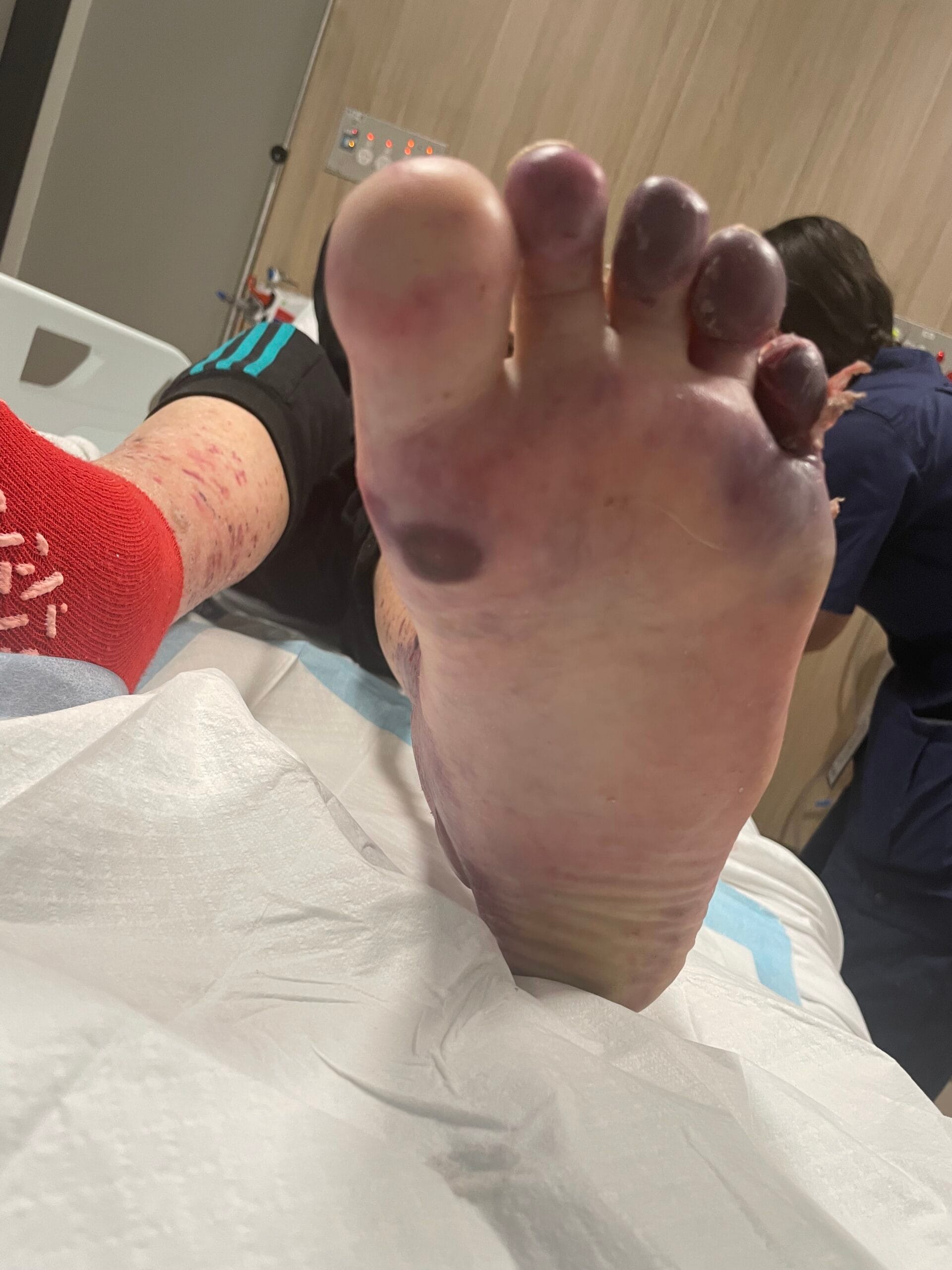
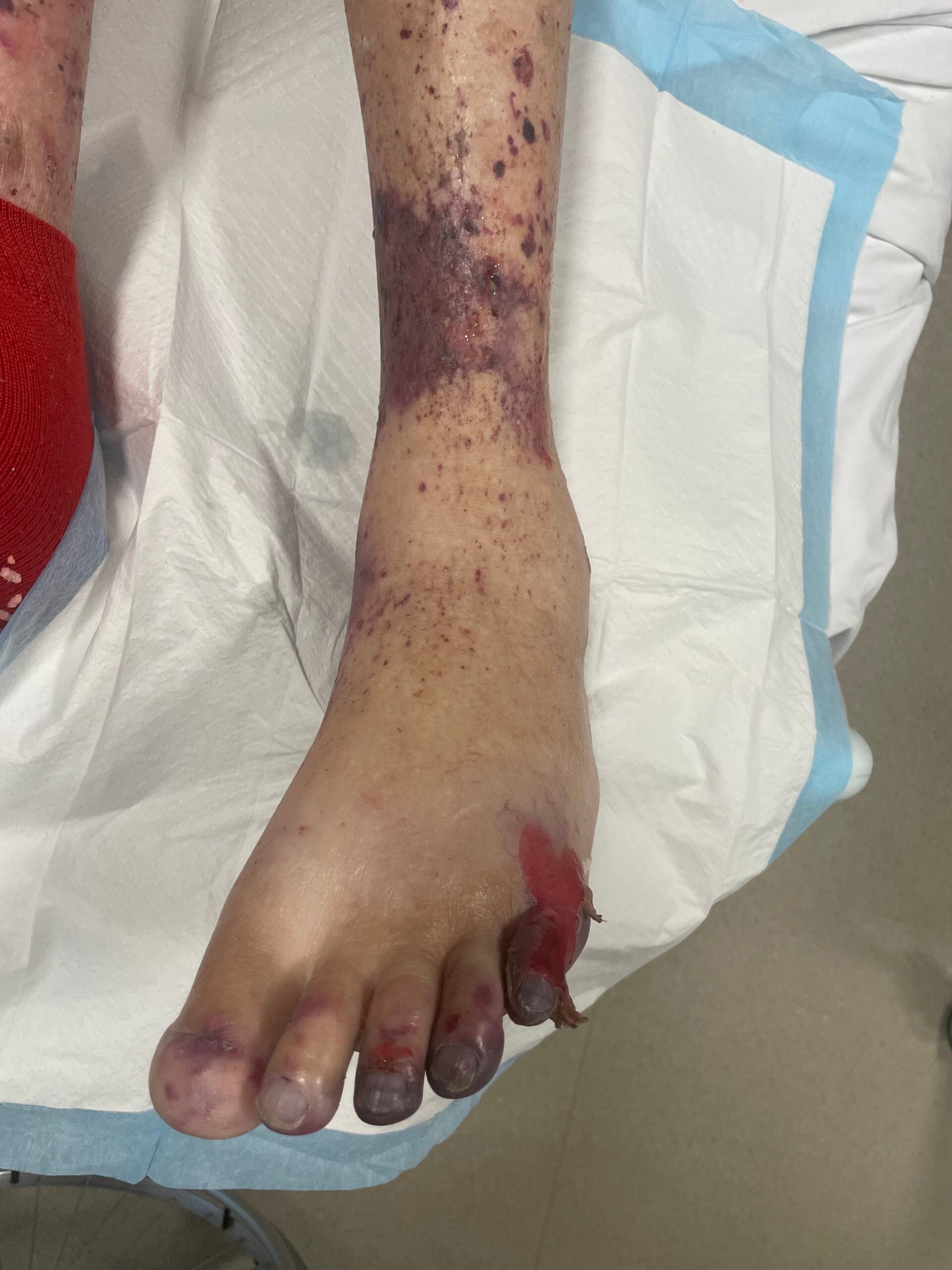
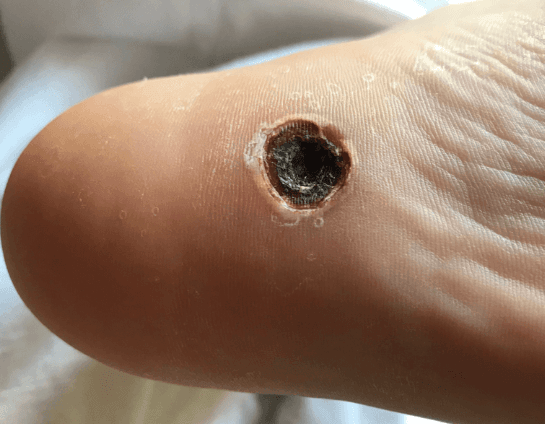
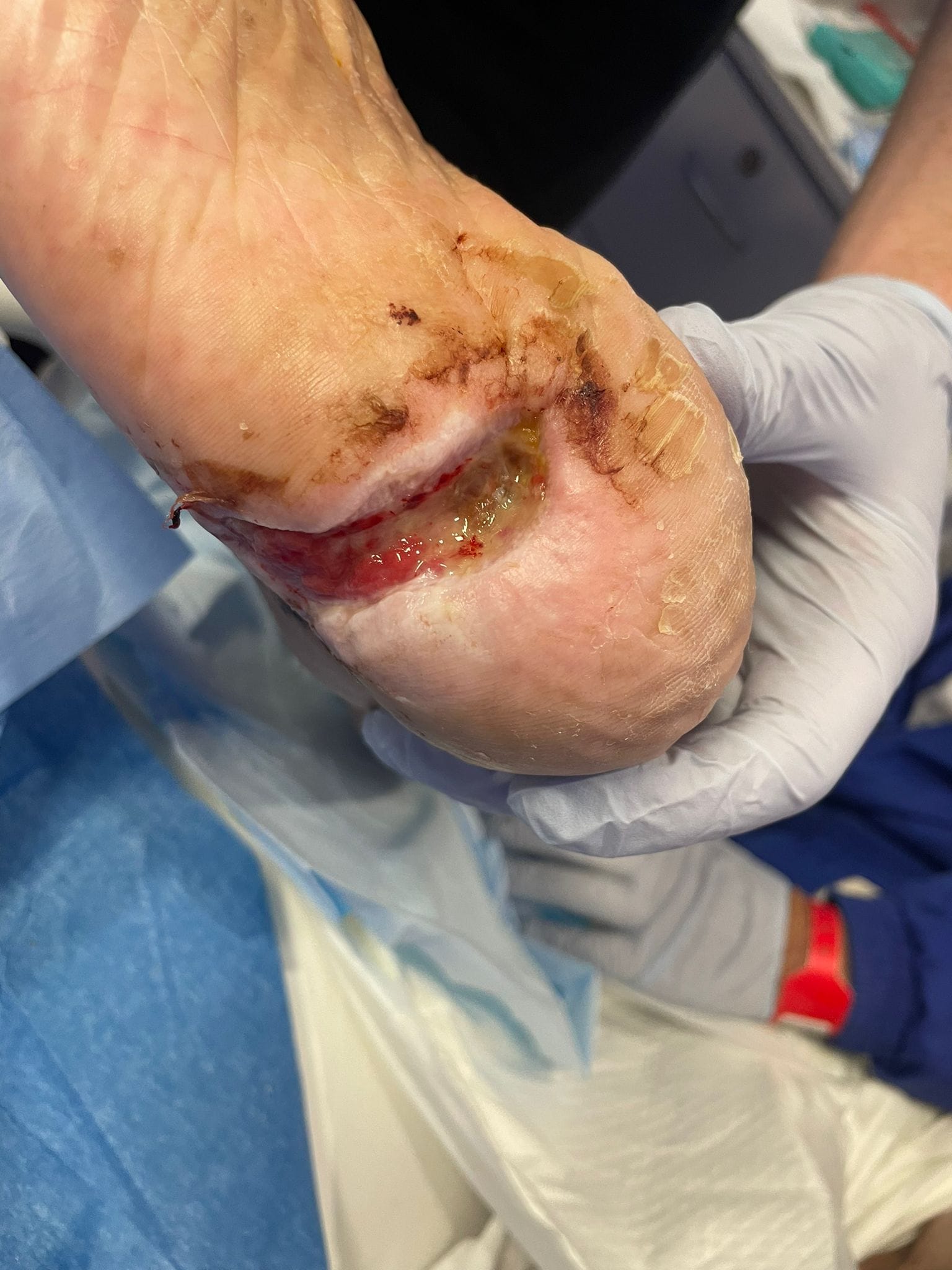


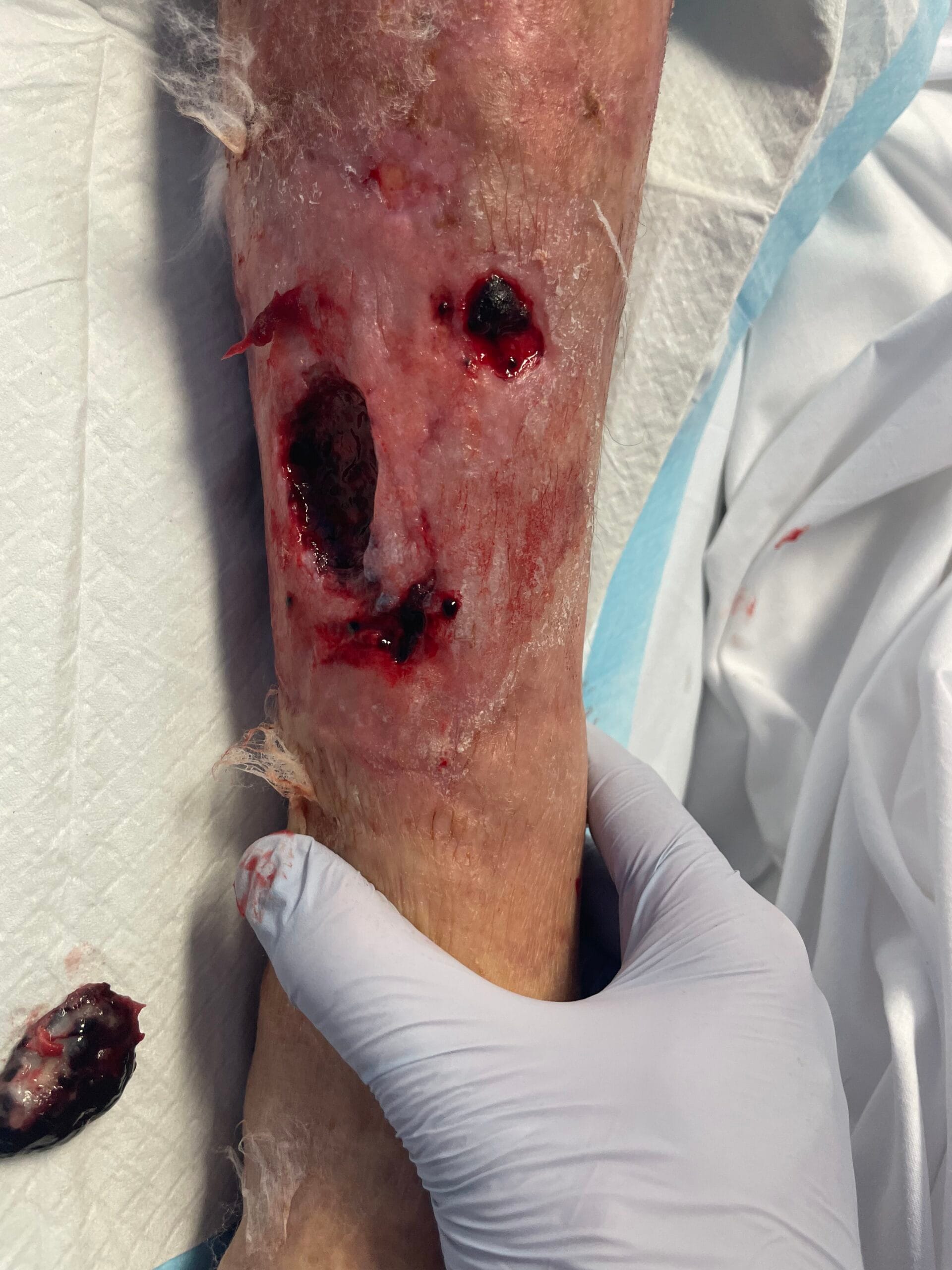
Main Article
Aetiology
Arterial leg ulcers, a significant clinical concern, primarily arise due to inadequate blood supply to the lower extremities, often resulting from peripheral arterial disease (PAD). This condition is characterized by atherosclerosis, where plaque buildup narrows the arteries, leading to reduced blood flow and subsequent ischemia (Soyoye et al., 2021). Other contributing factors include diabetes mellitus, which exacerbates vascular complications, and hypertension, both of which can lead to endothelial dysfunction and arterial occlusion (Soyoye et al., 2021). Additionally, genetic predispositions, such as Ehlers-Danlos syndrome, can also play a role in the development of arterial ulcers by affecting vascular integrity (Chehadeh et al., 2021).
The multifactorial nature of arterial ulcers necessitates a comprehensive understanding of underlying conditions, including lifestyle factors such as smoking and obesity, which significantly increase the risk of PAD and, consequently, arterial ulceration (Soyoye et al., 2021). Furthermore, age is a critical factor, as the incidence of arterial disease and related ulcers increases with advancing age due to cumulative vascular damage over time (Makrantonaki et al., 2017).
Prevalence
Recent studies indicate that arterial leg ulcers account for approximately 10-20% of all leg ulcers, with prevalence rates varying significantly based on population demographics and underlying health conditions (Skandalis et al., 2015). In the general population, chronic leg ulcers affect about 1-3%, with arterial ulcers being a notable subset (Skandalis et al., 2015). The prevalence of PAD, a primary cause of arterial ulcers, is estimated to be around 8-12% in individuals over 65 years of age, highlighting the importance of age as a risk factor (Soyoye et al., 2021).
Moreover, the prevalence of arterial ulcers is notably higher in patients with comorbid conditions such as diabetes and hypertension, where the rates can exceed 20% (Soyoye et al., 2021). These statistics underscore the need for targeted interventions and preventive strategies in at-risk populations to mitigate the occurrence of arterial leg ulcers.
Pathophysiological Changes
The pathophysiology of arterial leg ulcers is primarily linked to ischemia resulting from inadequate blood supply. This ischemia leads to tissue hypoxia, which impairs cellular metabolism and function, ultimately resulting in tissue necrosis and ulcer formation (Soyoye et al., 2021). The process begins with endothelial injury, which promotes inflammation and thrombosis, further exacerbating blood flow reduction (Soyoye et al., 2021).
As the ischemic condition progresses, the affected tissues undergo a series of changes, including the activation of inflammatory pathways and the release of proteolytic enzymes that degrade extracellular matrix components, hindering wound healing (Makrantonaki et al., 2017). Additionally, the lack of oxygen and nutrients leads to a failure in the proliferation and migration of keratinocytes and fibroblasts, essential cells for wound healing (Makrantonaki et al., 2017).
Furthermore, the presence of comorbidities such as diabetes can complicate these pathophysiological changes, as hyperglycemia can lead to advanced glycation end-products (AGEs) that further impair vascular function and wound healing (Soyoye et al., 2021). Understanding these mechanisms is crucial for developing effective treatment strategies for arterial leg ulcers.
Treatments
Current evidence-based treatment options for arterial leg ulcers focus on improving blood flow and promoting wound healing. Revascularization procedures, such as angioplasty or bypass surgery, are often indicated for patients with significant arterial occlusion (Soyoye et al., 2021). These interventions aim to restore adequate blood supply to the affected area, which is critical for healing (Soyoye et al., 2021).
In addition to surgical options, conservative management strategies include the use of topical wound care products that promote a moist wound environment, thereby facilitating healing (Serra et al., 2016). Advanced therapies such as negative pressure wound therapy (NPWT) have also shown promise in enhancing perfusion and promoting granulation tissue formation in chronic wounds, including arterial ulcers (Sundby et al., 2016).
Furthermore, adjunctive therapies such as hyperbaric oxygen therapy may be beneficial in cases of severe ischemia, as they enhance oxygen delivery to hypoxic tissues (Soyoye et al., 2021). It is essential for clinicians to stay updated on the latest evidence to provide optimal care for patients with arterial leg ulcers.
Precautions with Treatments
While various treatment options are available for arterial leg ulcers, clinicians must be aware of specific precautions and contraindications associated with these therapies. For instance, revascularization procedures may not be suitable for all patients, particularly those with extensive comorbidities or poor overall health status, which could increase the risk of surgical complications (Soyoye et al., 2021).
In the case of NPWT, while it can be effective, it is contraindicated in patients with exposed blood vessels, organs, or non-viable tissue, as it may exacerbate these conditions (Sundby et al., 2016). Additionally, clinicians should monitor for signs of infection and ensure appropriate antibiotic therapy is initiated when necessary, as infections can significantly impede healing (Soyoye et al., 2021).
Moreover, the use of compression therapy, commonly employed in venous ulcers, must be approached with caution in arterial ulcers, as inappropriate application can further compromise blood flow (Soyoye et al., 2021). A thorough assessment of the patient’s vascular status is essential before implementing any treatment strategy.
Diagnostic Tests Available
Accurate diagnosis of arterial leg ulcers is crucial for effective management. The Ankle-Brachial Pressure Index (ABPI) is a widely used non-invasive test that compares blood pressure in the ankle with that in the arm, helping to assess the severity of arterial disease (Kirsner & Vivas, 2015). An ABPI of less than 0.5 typically indicates severe arterial insufficiency, which is often associated with non-healing ulcers (Kirsner & Vivas, 2015).
Doppler ultrasound is another valuable diagnostic tool that provides information on blood flow and can identify specific areas of arterial occlusion or stenosis (Soyoye et al., 2021). In some cases, angiography may be necessary to visualize the vascular anatomy and determine the extent of arterial disease (Soyoye et al., 2021).
Additionally, comprehensive clinical assessments, including a thorough patient history and physical examination, are essential to rule out other causes of leg ulcers, such as venous insufficiency or diabetic ulcers (Kirsner & Vivas, 2015). These diagnostic methods collectively aid in formulating an appropriate treatment plan tailored to the patient’s specific needs.
Contributing Factors
Understanding the contributing factors to arterial leg ulcers is essential for prevention and management. Modifiable factors include lifestyle choices such as smoking, which significantly increases the risk of PAD and subsequent ulceration (Soyoye et al., 2021). Obesity and physical inactivity also contribute to the development of arterial disease, highlighting the importance of lifestyle modifications in at-risk populations (Soyoye et al., 2021).
Non-modifiable factors include age, gender, and genetic predisposition. Older adults are at a higher risk due to the cumulative effects of vascular damage over time (Soyoye et al., 2021). Additionally, males are generally more susceptible to PAD, which can lead to arterial ulcers (Soyoye et al., 2021).
Comorbid conditions such as diabetes, hypertension, and hyperlipidemia further exacerbate the risk of developing arterial leg ulcers (Soyoye et al., 2021). Addressing these contributing factors through education and preventive measures is crucial for reducing the incidence of arterial leg ulcers in the population.
Conclusion
In conclusion, arterial leg ulcers represent a complex clinical challenge that requires a multifaceted approach for effective management. Understanding the aetiology, prevalence, pathophysiological changes, treatment options, precautions, diagnostic tests, and contributing factors is essential for healthcare professionals involved in the care of patients with these ulcers. By staying informed and employing evidence-based practices, clinicians can significantly improve patient outcomes and enhance the quality of care provided to individuals suffering from arterial leg ulcers.
References:
- Chehadeh, S., Legrand, A., Geoffroy, V., Billon, C., Adham, S., Jeunemaı̂tre, X., … & Lipsker, D. (2021). Periodontal (formerly type viii) ehlers–danlos syndrome: description of 13 novel cases and expansion of the clinical phenotype. Clinical Genetics, 100(2), 206-212. https://doi.org/10.1111/cge.13972
- Kirsner, R. and Vivas, A. (2015). Lower‐extremity ulcers: diagnosis and management. British Journal of Dermatology, 173(2), 379-390. https://doi.org/10.1111/bjd.13953
- Makrantonaki, E., Wlaschek, M., & Scharffetter‐Kochanek, K. (2017). Pathogenesis of wound healing disorders in the elderly. JDDG Journal Der Deutschen Dermatologischen Gesellschaft, 15(3), 255-275. https://doi.org/10.1111/ddg.13199
- Serra, R., Rizzuto, A., Rossi, A., Perri, P., Barbetta, A., Abdalla, K., … & Franciscis, S. (2016). Skin grafting for the treatment of chronic leg ulcers – a systematic review in evidence‐based medicine. International Wound Journal, 14(1), 149-157. https://doi.org/10.1111/iwj.12575
- Skandalis, K., Vlachos, C., Pliakou, X., Gaitanis, G., Kapsali, E., & Bassukas, I. (2015). Higher serum ferritin levels correlate with an increased risk of cutaneous morbidity in adult patients with β-thalassemia: a single-center retrospective study. Acta Haematologica, 135(2), 124-130. https://doi.org/10.1159/000438479
- Soyoye, D., Abiodun, O., Ikem, R., Kolawole, B., & Akintomide, A. (2021). Diabetes and peripheral artery disease: a review. World Journal of Diabetes, 12(6), 827-838. https://doi.org/10.4239/wjd.v12.i6.827
- Sundby, Ø., Høiseth, L., Mathiesen, I., Jørgensen, J., Sundhagen, J., & Hisdal, J. (2016). The effects of intermittent negative pressure on the lower extremities’ peripheral circulation and wound healing in four patients with lower limb ischemia and hard‐to‐heal leg ulcers: a case report. Physiological Reports, 4(20). https://doi.org/10.14814/phy2.12998