


Quick Overview
Associated References
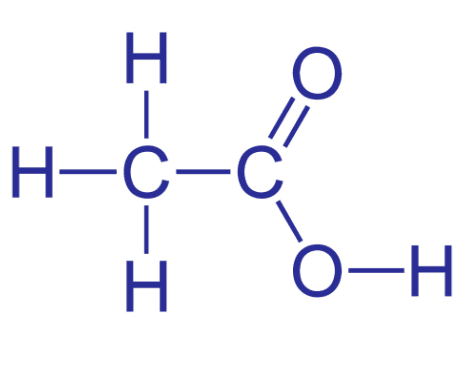
Photo Gallery
Main Article
Literature Review on Acetic Acid in Wound Care
Introduction
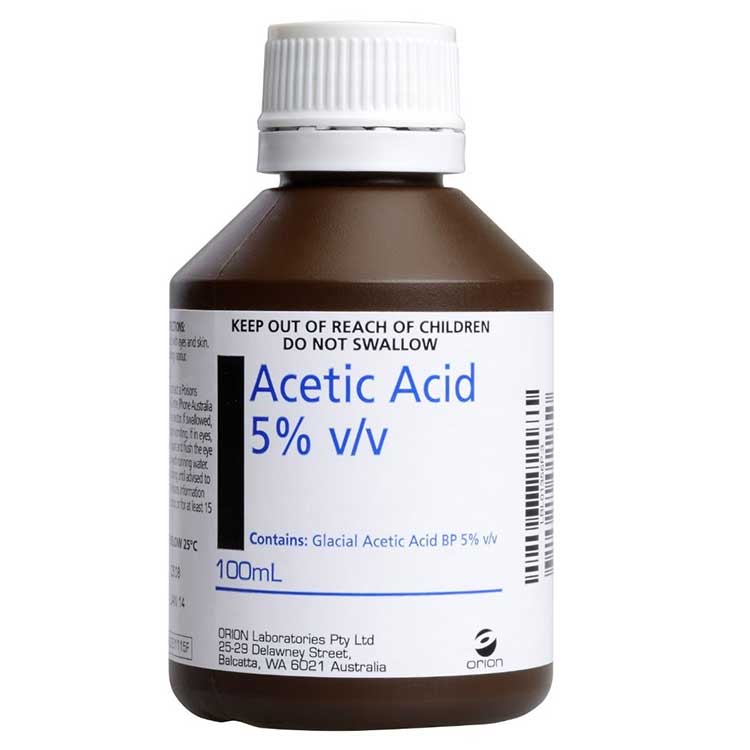
Acetic acid, a simple organic compound, has been utilized in wound care for its antimicrobial properties and its ability to modulate the wound environment. This literature review aims to synthesize recent findings on the mode of action, applications, limitations, and precautions associated with acetic acid in wound management.
Mode of Action
The primary mechanism by which acetic acid exerts its effects in wound care is through its ability to lower the pH of the wound environment. Most pathogenic bacteria, including *Pseudomonas aeruginosa* and *Staphylococcus aureus*, thrive in neutral to alkaline conditions (pH > 6) (Syed et al., 2021; Chen & Zhou, 2022). By applying acetic acid, the pH can be reduced to levels that inhibit bacterial growth, thereby enhancing the healing process. Studies have shown that acetic acid concentrations as low as 0.25% can effectively reduce bacterial load in chronic wounds, particularly those infected with *Pseudomonas* species (Chen & Zhou, 2022; Nour et al., 2022).
Moreover, acetic acid has demonstrated significant bactericidal activity against biofilms, which are often resistant to conventional antibiotics (Tawre et al., 2021). The acidic environment not only disrupts bacterial metabolism but also enhances the activity of immune cells, such as neutrophils, which are crucial for wound healing (Nagoba et al., 2021; Sim et al., 2022). Furthermore, it has been noted that acetic acid can stimulate fibroblast proliferation and collagen synthesis, contributing to tissue regeneration (Sim et al., 2022; Piva et al., 2018).
Uses in Wound Care
Acetic acid is primarily used in the treatment of chronic wounds, particularly those infected with *Pseudomonas aeruginosa*. Its application is often recommended for wounds exhibiting blue-green drainage or wet yellow slough, indicative of *Pseudomonas* infection (Chen & Zhou, 2022; Nour et al., 2022). Clinical studies have highlighted the effectiveness of acetic acid dressings in managing burn wounds colonized by *Pseudomonas*, showcasing its role as a cost-effective and readily available antiseptic (Nour et al., 2022).
In addition to its antimicrobial properties, acetic acid has been incorporated into various wound care products, including gels and dressings, to maintain an acidic environment conducive to healing (Nagoba et al., 2021). The use of acetic acid in conjunction with other therapeutic agents, such as honey, has also been explored, revealing synergistic effects in combating biofilm-forming bacteria (Harrison et al., 2023; Chin, 2023).
Limitations and Precautions
Despite its benefits, the use of acetic acid in wound care is not without limitations. One of the primary concerns is its potential cytotoxicity at higher concentrations. While concentrations of 0.25% are generally well tolerated in vivo, higher concentrations can be detrimental to fibroblasts and keratinocytes, potentially delaying wound healing (Chen & Zhou, 2022; Nagoba et al., 2021). Therefore, careful consideration of the concentration used is essential to balance its antimicrobial efficacy with cytotoxic effects.
Additionally, the application of acetic acid may lead to discomfort or pain for patients, particularly in acute wounds or burns. This necessitates the need for clinicians to assess the pain tolerance of patients prior to application (Chen & Zhou, 2022; Nour et al., 2022). Furthermore, the variability in individual responses to acetic acid treatment underscores the importance of personalized wound care strategies.
Conclusion
In summary, acetic acid serves as a valuable agent in wound care, particularly for chronic wounds infected with *Pseudomonas aeruginosa*. Its ability to lower pH and exert antimicrobial effects makes it a potent option for managing wound infections. However, clinicians must remain vigilant regarding its cytotoxic potential and patient comfort. Future research should focus on optimizing formulations and delivery methods to enhance the therapeutic efficacy of acetic acid while minimizing adverse effects. This refers directly to the strength of the acetic acid as well as the length of time the acetic acid is left on.
References:
- Chen, Q. and Zhou, K. (2022). Acetic acid use in chronic wound healing. Journal of Wound Ostomy and Continence Nursing, 49(3), 286-289. https://doi.org/10.1097/won.0000000000000863
- Chin, J. (2023). Photodynamic therapy, probiotics, acetic acid, and essential oil in the treatment of chronic wounds infected with pseudomonas aeruginosa. Pharmaceutics, 15(6), 1721. https://doi.org/10.3390/pharmaceutics15061721
- Harrison, F., Blower, A., Wolf, C., & Connelly, E. (2023). Sweet and sour synergy: exploring the antibacterial and antibiofilm activity of acetic acid and vinegar combined with medical-grade honeys. Microbiology, 169(7). https://doi.org/10.1099/mic.0.001351
- Nagoba, B., Gavkare, A., Rayate, A., Mumbre, S., Rao, A., Warad, B., … & Jamadar, N. (2021). Role of an acidic environment in the treatment of diabetic foot infections: a review. World Journal of Diabetes, 12(9), 1539-1549. https://doi.org/10.4239/wjd.v12.i9.1539
- Nour, S., Reid, G., Sathanantham, K., & Mackie, I. (2022). Acetic acid dressings used to treat pseudomonas colonised burn wounds: a uk national survey. Burns, 48(6), 1364-1367. https://doi.org/10.1016/j.burns.2021.07.011
- Piva, R., Rocha, M., Piva, D., Imasato, H., Malavazi, I., & Rodrigues-Filho, U. (2018). Acidic dressing based on agarose/cs2.5h0.5pw12o40 nanocomposite for infection control in wound care. Acs Applied Materials & Interfaces, 10(37), 30963-30972. https://doi.org/10.1021/acsami.8b09066
- Sim, P., Strudwick, X., Song, Y., Cowin, A., & Garg, S. (2022). Influence of acidic ph on wound healing in vivo: a novel perspective for wound treatment. International Journal of Molecular Sciences, 23(21), 13655. https://doi.org/10.3390/ijms232113655
- Syed, T., Apturkar, D., Dandekar, K., Baviskar, P., Jorwekar, G., & Shaikh, M. (2021). Effects of acetic acid and povidone iodine dressings as modulators of local environment in chronic wounds as synergists and separate agents. International Surgery Journal, 8(2), 654. https://doi.org/10.18203/2349-2902.isj20210379
- Tawre, M., Kamble, E., Kumkar, S., Mulani, M., & Pardesi, K. (2021). Antibiofilm and antipersister activity of acetic acid against extensively drug resistant pseudomonas aeruginosa paw1. Plos One, 16(2), e0246020. https://doi.org/10.1371/journal.pone.0246020