


Quick Overview
Associated References
Photo Gallery

Main Article
Introduction
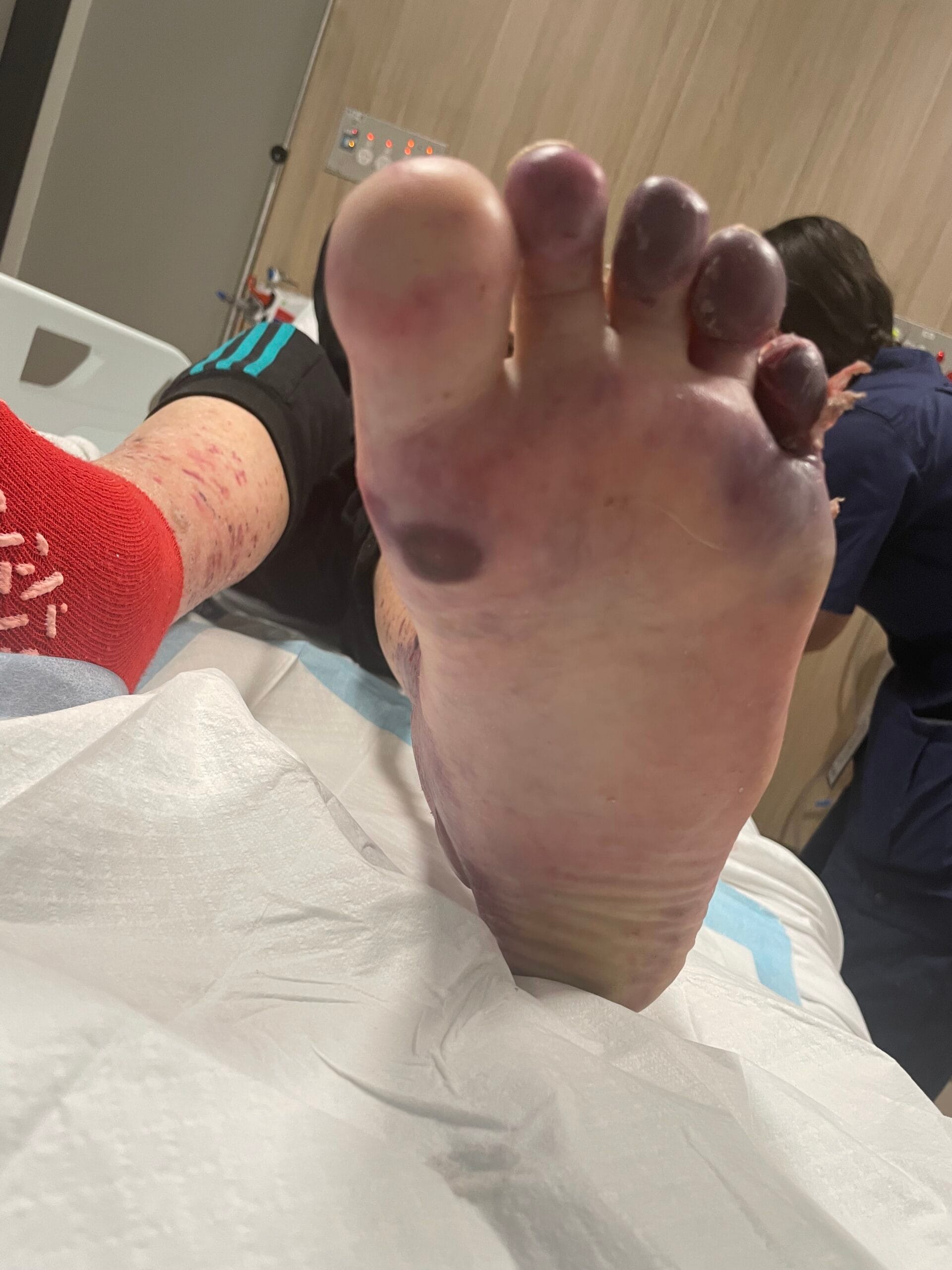
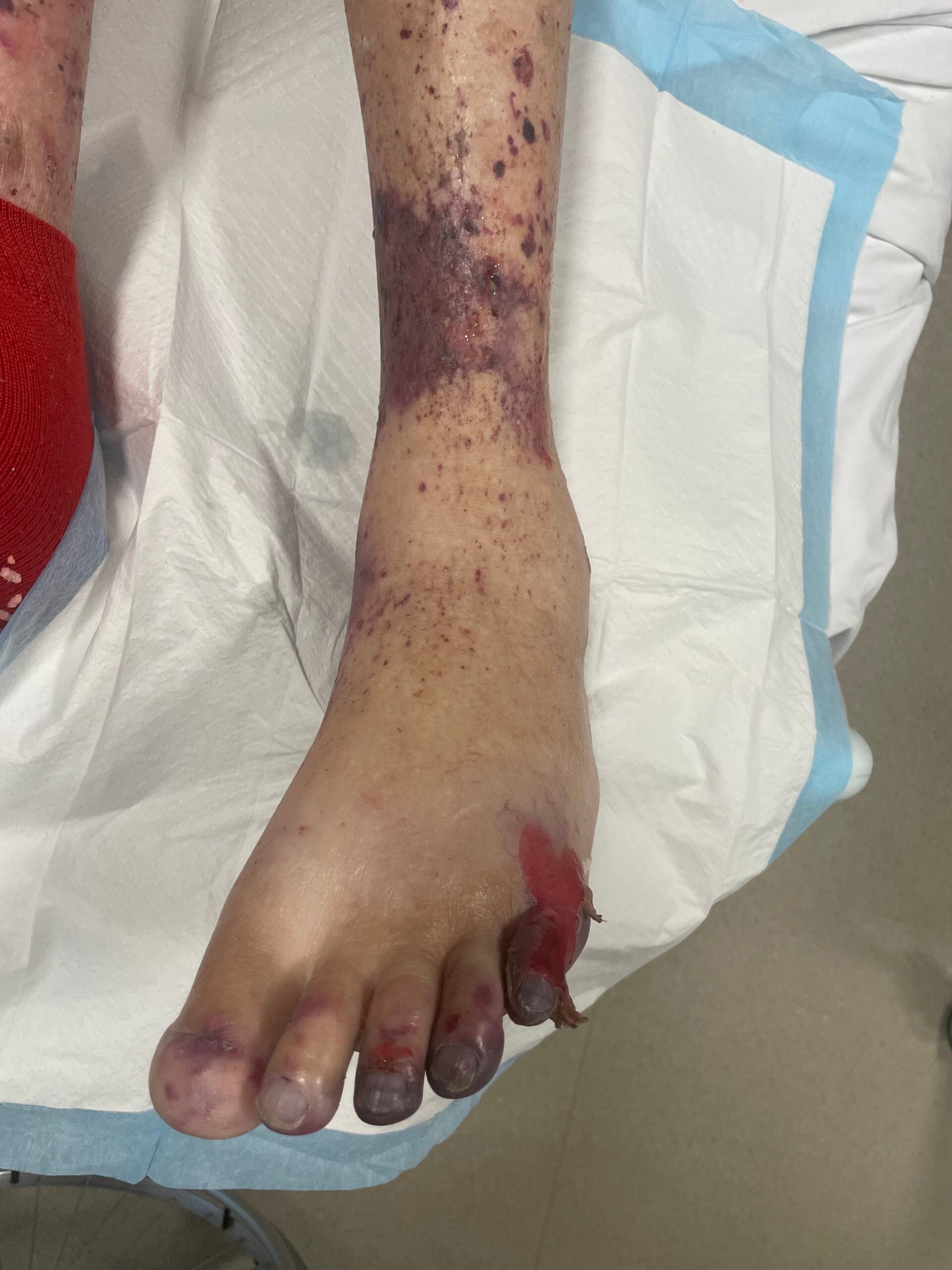
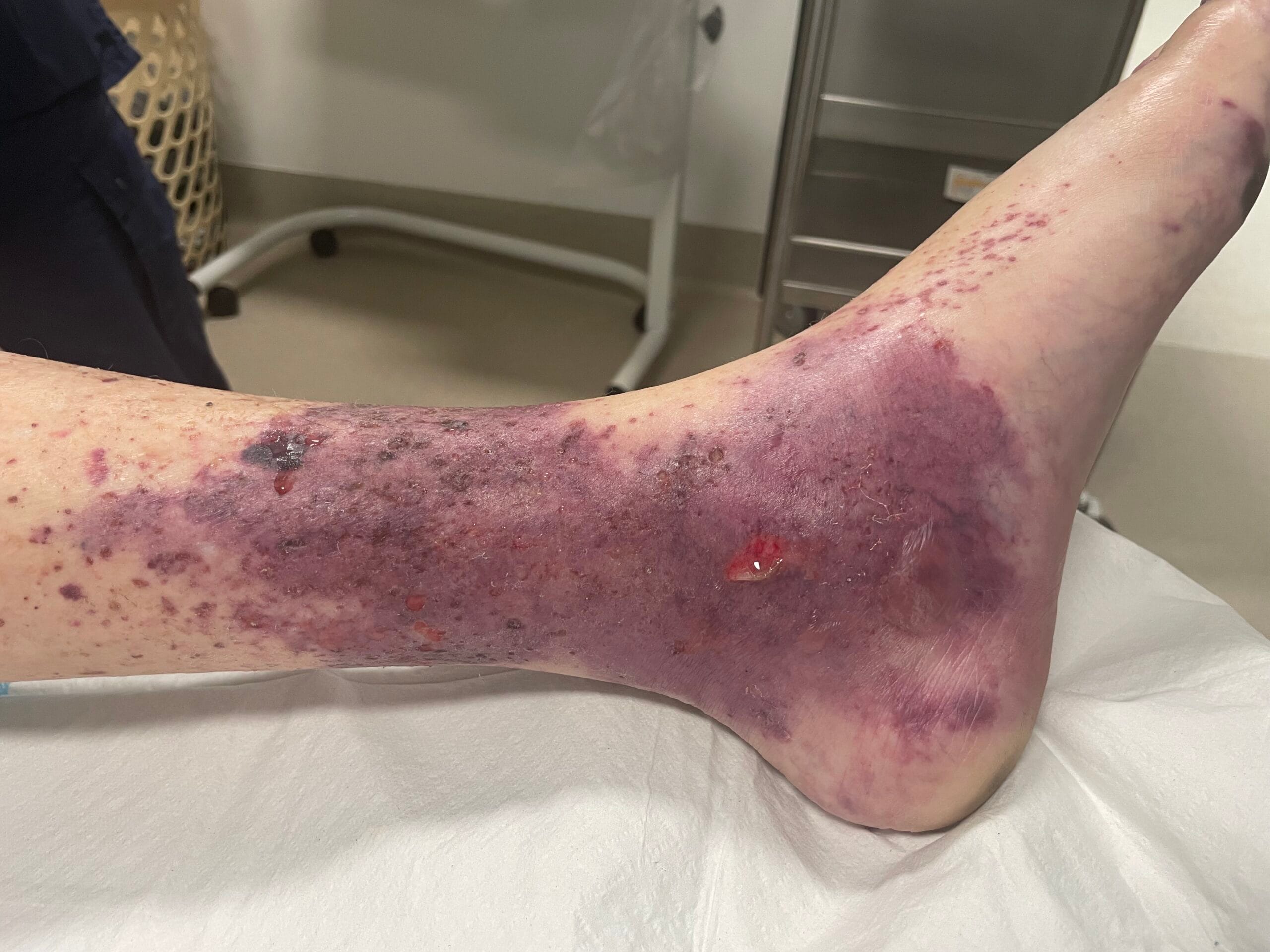
Palliative care is an essential component of healthcare for patients with life-limiting illnesses, focusing on improving quality of life and alleviating suffering. Wound management in this context requires a nuanced approach that prioritizes patient comfort, dignity, and holistic care. This resource synthesizes evidence-based strategies for managing wounds in palliative care settings, particularly concerning non-surgical interventions aimed at minimizing pain and enhancing the quality of life for patients.
Strategies to Minimize Wound-Related Odors
Wound-related odors can significantly impact the quality of life for patients in palliative care. Effective management of these odors is crucial for maintaining dignity and comfort. One evidence-based strategy involves the use of absorbent dressings that can effectively manage exudate and reduce odor formation. The TIME (Tissue, Inflammation/Infection, Moisture imbalance, Epithelial edge advancement) framework is particularly useful in this regard, as it emphasizes the importance of moisture balance and infection control in wound management (Fidanzi et al., 2022).
Additionally, the application of topical antiseptics and odor-neutralizing agents can further mitigate unpleasant smells. Studies have shown that using agents such as activated charcoal dressings can significantly reduce odor by adsorbing volatile compounds (Fidanzi et al., 2022). Moreover, maintaining proper hygiene and regular assessment of the wound can help identify and address sources of odor early, thereby improving the overall patient experience (Fidanzi et al., 2022; Frescos, 2018).
Approaches to Reduce the Frequency of Dressing Changes
Reducing the frequency of dressing changes is vital in palliative care, as frequent changes can cause discomfort and distress. Utilizing advanced wound care technologies, such as hydrocolloid or foam dressings, can prolong wear time and minimize the need for changes. These dressings not only provide a moist wound environment conducive to healing but also protect the wound from external contaminants and trauma (Cai et al., 2016; Barshes et al., 2014).
Incorporating negative pressure wound therapy (NPWT) has also been shown to reduce dressing change frequency while promoting healing and comfort (Cai et al., 2016). NPWT can help manage exudate and maintain a moist environment, which is particularly beneficial for patients with complex wounds. Furthermore, educating patients and caregivers about the importance of dressing integrity can empower them to participate actively in their care, thus enhancing their sense of control and dignity (Barshes et al., 2014).
Techniques to Manage Pain Effectively During Wound Care
Pain management during wound care is a critical aspect of palliative care. Evidence suggests that preemptive analgesia, including the administration of non-steroidal anti-inflammatory drugs (NSAIDs) or opioids before dressing changes, can significantly reduce pain perception during the procedure (Tegegne et al., 2020). Additionally, employing distraction techniques, such as music therapy or guided imagery, has been found to alleviate anxiety and pain during wound care (Jeffs, 2023; Chester et al., 2016).
Healthcare professionals should also consider the psychological aspects of pain management. The incorporation of psychological support, such as counseling or mindfulness techniques, can help address the emotional distress associated with wound care (Lee, 2023). Training healthcare providers in effective communication strategies can further enhance the patient experience by ensuring that patients feel heard and supported during their care (Lee, 2023).
Evidence-Based Practices for Holistic Care in Palliative Settings
Holistic care in palliative settings emphasizes the integration of physical, emotional, and spiritual support. Evidence indicates that a multidisciplinary approach, involving collaboration among healthcare providers, social workers, and spiritual care advisors, can significantly enhance the quality of care for patients with complex needs (Mehta et al., 2021; Lopez et al., 2021). This approach not only addresses the physical aspects of wound management but also considers the emotional and spiritual dimensions of patient care.
Furthermore, regular assessments of patient needs and preferences are essential for tailoring care plans that align with individual values and goals. Studies have shown that involving patients and families in care decisions leads to improved satisfaction and quality of life (Mehta et al., 2021; Lopez et al., 2021). Training programs for healthcare providers that focus on communication skills and empathetic care can foster a more supportive environment for patients and their families (Lee, 2023; Persson et al., 2021).
Conclusion
Effective palliative care wound management requires a comprehensive approach that prioritizes patient comfort, dignity, and holistic care. By implementing evidence-based strategies to minimize odor, reduce dressing changes, manage pain, and provide holistic support, healthcare clinicians can significantly enhance the quality of life for patients in palliative care settings. Continuous education and training for healthcare providers are essential to ensure that they are equipped with the knowledge and skills necessary to deliver high-quality palliative wound care.
References:
- Barshes, N., Gold, B., Garcia, A., Bechara, C., Pisimisis, G., & Kougias, P. (2014). Minor amputation and palliative wound care as a strategy to avoid major amputation in patients with foot infections and severe peripheral arterial disease. The International Journal of Lower Extremity Wounds, 13(3), 211-219. https://doi.org/10.1177/1534734614543663
- Cai, S., Gowda, A., Alexander, R., Silverman, R., Goldberg, N., & Rasko, Y. (2016). Use of negative pressure wound therapy on malignant wounds – a case report and review of literature. International Wound Journal, 14(4), 661-665. https://doi.org/10.1111/iwj.12665
- Chester, S., Stockton, K., Young, A., Kipping, B., Tyack, Z., Griffin, B., … & Kimble, R. (2016). Effectiveness of medical hypnosis for pain reduction and faster wound healing in pediatric acute burn injury: study protocol for a randomized controlled trial. Trials, 17(1). https://doi.org/10.1186/s13063-016-1346-9
- Fidanzi, C., Davini, G., Dini, V., Granieri, G., Vietina, A., Romanelli, M., … & Janowska, A. (2022). Palliative management of a recurrent destructive cutaneous squamous cell carcinoma of the scalp with brain exposure. Wounds a Compendium of Clinical Research and Practice, 34(1), E7-E9. https://doi.org/10.25270/wnds/2022.e79
- Frescos, N. (2018). Assessment of pain in chronic wounds: a survey of australian health care practitioners. International Wound Journal, 15(6), 943-949. https://doi.org/10.1111/iwj.12951
- Jeffs, D. (2023). Comparing novel virtual reality and nursing standard care on burn wound care pain in adolescents: a randomized controlled trial. Journal for Specialists in Pediatric Nursing, 29(1). https://doi.org/10.1111/jspn.12419
- Lee, Y. (2023). Developing a clinical judgment model-based online education program for palliative wound care in nursing homes: a quasi-experimental study.. https://doi.org/10.21203/rs.3.rs-3493401/v1
- Lopez, A., Bacha, J., Kovarik, C., & Campbell, L. (2021). Successful use of multidisciplinary palliative care in the outpatient treatment of disseminated histoplasmosis in an hiv positive child. Children, 8(4), 273. https://doi.org/10.3390/children8040273
- Mehta, T., Bayat, E., & Govindarajan, R. (2021). Palliative care in amyotrophic lateral sclerosis clinics: a survey of neals consortium membership. Muscle & Nerve, 63(5), 769-774. https://doi.org/10.1002/mus.27203
- Persson, H., Ahlström, G., & Ekwall, A. (2021). Professionals’ expectations and preparedness to implement knowledge-based palliative care at nursing homes before an educational intervention: a focus group interview study. International Journal of Environmental Research and Public Health, 18(17), 8977. https://doi.org/10.3390/ijerph18178977
- Tegegne, B., Lema, G., Fentie, D., & Bizuneh, Y. (2020). <p>severity of wound-related pain and associated factors among patients who underwent wound management at teaching and referral hospital, northwest ethiopia</p>. Journal of Pain Research, Volume 13, 2543-2551. https://doi.org/10.2147/jpr.s276449